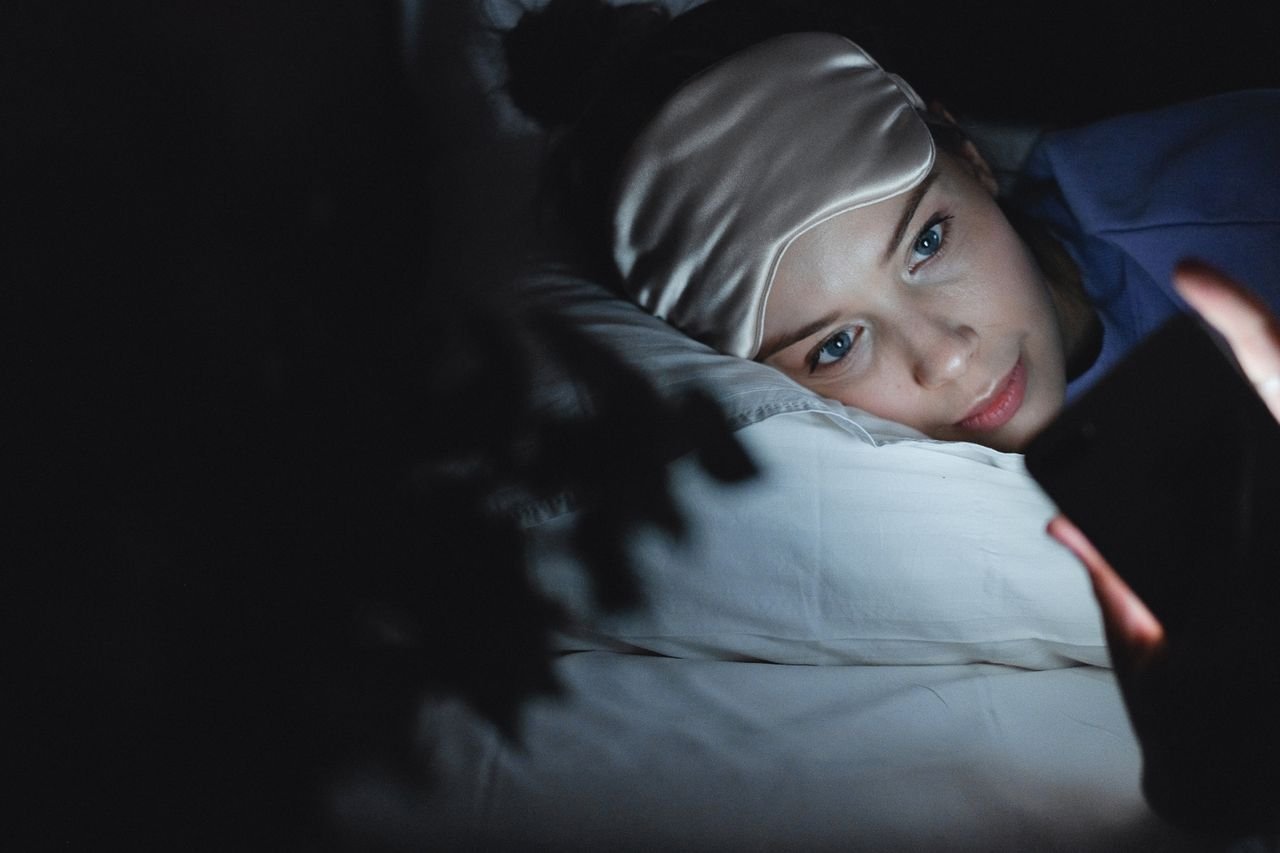
Stress: Causes, Symptoms, and How We Can Help
What is stress and what are the symptoms?
Stress is a natural response to challenges or demands in our lives. Whether it's an overwhelming workload, a difficult relationship, or personal health issues, it's something most of us experience at some point. While stress can feel like an emotional burden, it also has physical symptoms that can affect your health in the long run.
It's important to remember that stress isn't a diagnosable mental health condition, but it can contribute to other issues, like anxiety and depression, if left unaddressed. Learning how to manage stress can make a significant difference to both your mental and physical well-being.
If you're feeling stressed, you're not alone, and it's completely okay to ask for help.

Common symptoms of stress
Stress can show up in different ways for different people, but some common signs include:
Psychological symptoms:
- Feeling overwhelmed or overburdened
- Struggling to concentrate or make decisions
- Racing thoughts that you can’t control
- Losing interest in activities you usually enjoy
- Becoming easily irritated or frustrated
- Feeling anxious, restless, or tearful
- Turning to unhealthy coping mechanisms like smoking or drinking
Physical symptoms:
- Increased heart rate or high blood pressure
- Muscle pain, tension, or headaches
- Digestive issues like heartburn or diarrhoea
- Difficulty sleeping or constant fatigue
- Breathing difficulties, like shallow breathing or hyperventilating
- Grinding your teeth or jaw tension
.
Stress and your physical health
When you're stressed, your body releases hormones like cortisol and adrenaline. While this "fight or flight" response is helpful in the short term, if stress becomes a constant presence in your life, it can take a toll on your health.
Chronic stress can increase the risk of serious conditions like heart disease, diabetes, and even affect your immune system. This is why it’s important to take stress seriously and speak to a doctor if you’re regularly feeling overwhelmed. Stress can also show up on your skin — some people notice a stress rash or stress bumps on fingers, which are worth mentioning to your GP alongside your other stress symptoms.
What causes stress?
Stress can be triggered by many factors, and often it's a combination of life circumstances, emotional factors, and physical health. Understanding the source of your stress can be an important first step in managing it.
Common causes of stress
Cause |
Detail |
|---|---|
|
Work or University pressure |
A heavy workload, looming deadlines, or performance anxiety can contribute to stress. |
|
Money troubles |
Financial difficulties, such as struggling to pay bills or worrying about debt, are common stress triggers. |
|
Health issues |
Chronic illness or ongoing health problems can be a source of stress, especially if they interfere with your daily routine. |
|
Relationship issues |
Issues within a relationship can be very troubling and stressful for the couple. |
|
Life changes |
Big events like moving house, starting a new job, or going through a breakup can spark stress. |
|
Loss of a loved one |
Grief from losing someone close can cause overwhelming emotional and physical stress. |
The Stress Cycle: How stress can affect you
Stress doesn’t just affect how we feel emotionally, it can also trigger physical responses that worsen our emotional state. This can create a cycle: physical stress symptoms can make you feel more anxious, which in turn can lead to more physical symptoms, such as headaches or trouble sleeping.
By identifying the external factors that trigger your stress, you can start to break the cycle and begin to manage your symptoms more effectively. Being kinder to yourself and seeking help is a crucial first step.
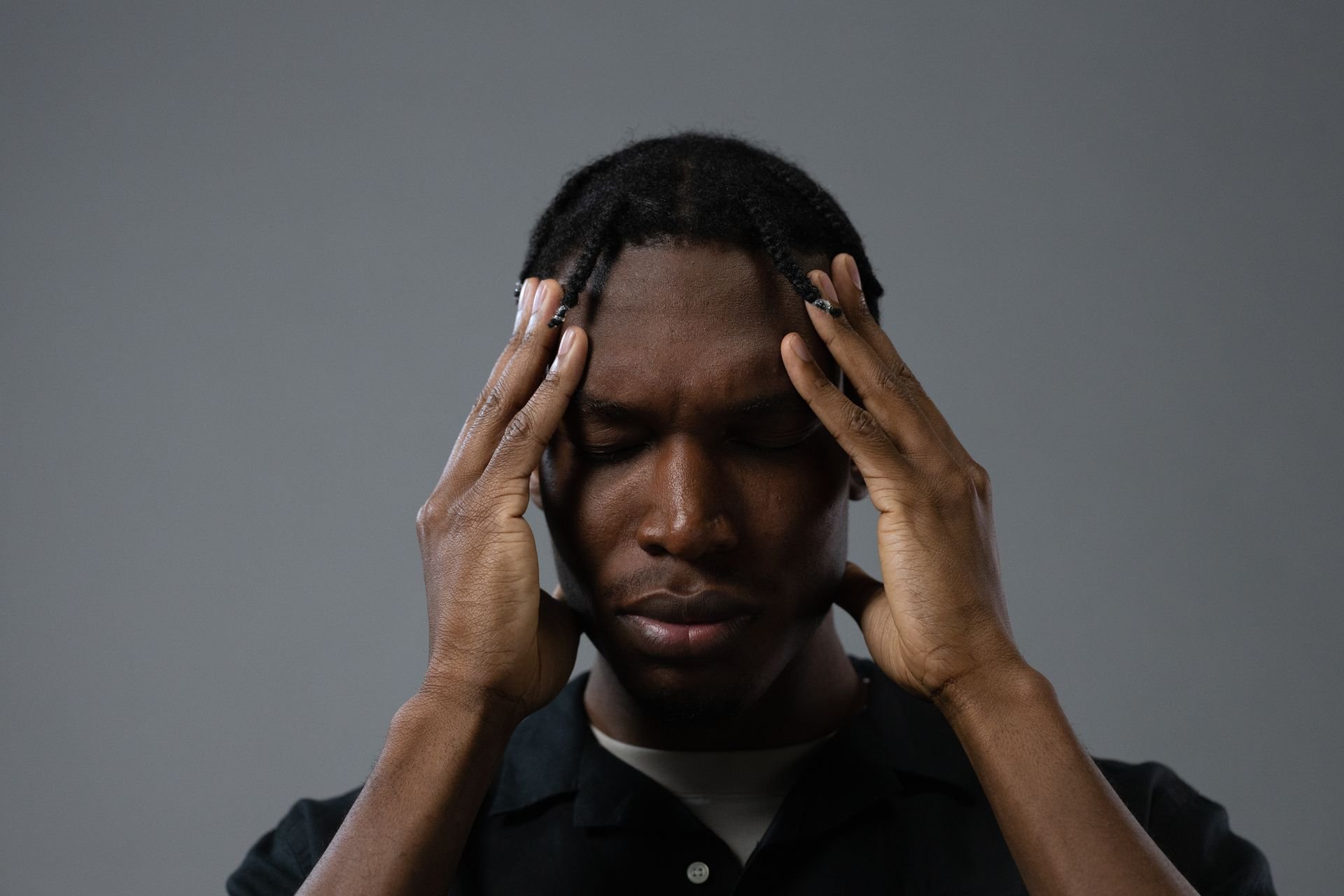
Seeking help for stress: Treatment options
While stress isn't officially classed as a medical condition, it’s still something you should take seriously. If you’re struggling with stress, it’s helpful to speak to a healthcare professional who can guide you through effective coping strategies.
Stress management techniques
-
Talking Therapy - Speaking to a trained therapist can help you understand your stress and develop practical coping strategies. Cognitive behavioural therapy (CBT) is a popular option for managing stress.
-
Mindfulness and Meditation - These practices can help calm your mind and reduce the physical symptoms of stress
- Physical Activity - Regular exercise can reduce stress hormones and boost your mood.
- Medication - In some cases, your doctor might recommend medication to help with the physical symptoms of stress or underlying conditions like anxiety or depression.
At Doctor Care Anywhere, we can help you navigate your stress and recommend appropriate treatment options, whether that’s therapy, self-help, or medication. If necessary, we can also refer you to specialists for further support..
Frequently asked questions
Here are direct answers to some of the most frequently asked questions about stress.
Stress and anxiety often feel similar, but they’re not the same thing. Stress is usually a response to an external pressure — a deadline, a bill, a difficult conversation — and tends to ease once that pressure passes. Anxiety can persist even without a clear trigger, and when it becomes ongoing and hard to control, it may be diagnosed as a generalised anxiety disorder. Stress isn’t itself a diagnosable mental health condition, but prolonged stress can contribute to anxiety developing over time.
Acute stress is short-term — the kind you feel before an exam or a job interview — and usually resolves once the situation is over. Chronic stress is longer-lasting, often caused by ongoing pressures like financial worries or a difficult home life, and it keeps your body’s stress hormones, such as cortisol and adrenaline, elevated for extended periods. This is what makes chronic stress more likely to affect your physical health over time.
When you encounter a stressful situation, your hypothalamic-pituitary-adrenal (HPA) axis triggers the release of cortisol and adrenaline, producing the fight-or-flight response. This is a normal and useful reaction in the short term, but if it’s triggered too often or for too long, it can contribute to raised blood pressure, disrupted sleep, and a weakened immune system.
It’s worth speaking to a doctor if stress starts to feel unmanageable, or if you notice physical symptoms that don’t settle, such as a persistent stress rash, stress bumps on fingers, disrupted sleep, or a racing heart rate. Prolonged, unaddressed stress can also tip into burnout, so it’s better to seek support early rather than waiting until things feel overwhelming.
Related Topics
-
Sleep Advice: How to Get a Better Night's Rest
-

Anxiety: Symptoms, Causes, and How We Can Help
-
Depression: Causes, Symptoms, and How We Can Help