Depression: Causes, Symptoms, and How We Can Help

Feeling down from time to time is part of life, but depression is more than just a bad day. It's a lasting and serious condition that can affect every part of your life — your thoughts, feelings, and even how you get through the day.

Depression isn't always easy to spot, as it can show up in emotional, physical, or behavioural ways — or a mix of all three. It can also take different forms, like post-natal depression or seasonal affective disorder (SAD).

You're not alone. In fact, 1 in 6 adults in Great Britain experienced moderate to severe depressive symptoms in a 2022 survey period, and 1 in 10 people will experience depression at some point in their lives.

The good news? With the right support, most people can and do recover.
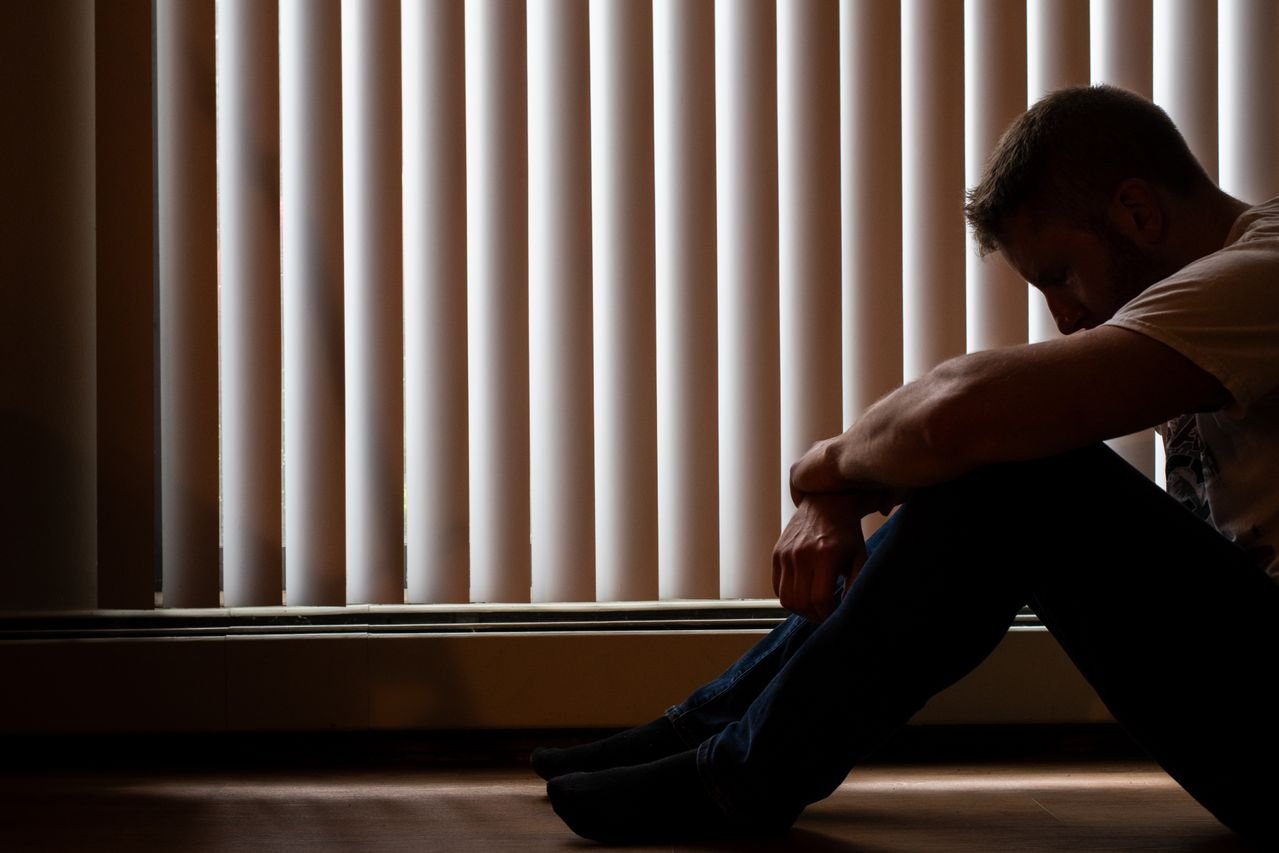
Silhouette of a man sitting on the floor by a window, head down, appearing distressed

What are the different symptoms of depression?

Physical symptoms
  • Always feeling tired or drained of energy
  • Trouble sleeping (either not enough or too much)
  • Changes in appetite or weight (eating too much or too little)
  • Aches and pains with no clear cause.
  • Feeling like everything is happening in slow motion
Emotional symptoms:
  • Feeling sad, empty, or hopeless most of the time
  • Losing interest in the things you used to enjoy
  • Struggling to concentrate or make decisions
  • Feeling guilty, worthless, or stuck in self-blame
  • Thoughts of self-harm or feeling like you don't want to go on
Behavioural symptoms
  • Avoiding friends, family, or things you'd usually do
  • Finding it hard to get through the day or do simple tasks
  • Feeling unmotivated or struggling to get out of bed

Types of depression

Depression isn't always the same for everyone, and some forms have specific triggers or timing:

Postnatal depression can affect parents in the weeks or months after having a baby. It's more than the "baby blues" and can include feelings of persistent sadness, exhaustion beyond normal new-parent tiredness, difficulty bonding with your baby, or feeling unable to cope. It's common and very treatable, and reaching out early makes a real difference.

Seasonal affective disorder (SAD) is a type of depression that follows a seasonal pattern, typically worsening in autumn and winter when daylight hours are shorter. Alongside typical depression symptoms, people with SAD often notice increased sleepiness, carbohydrate cravings, and low energy that lifts again in spring and summer.

If you recognise yourself in either of these, it's worth mentioning it specifically when you speak to a clinician, as it can help shape the right support for you.

What causes depression?

There's no single cause of depression — it's often a mix of things. Here are some of the most common triggers:

Difficult past experiences:
  • Loss of a loved one

  • Emotional or physical abuse

  • Feeling isolated through bullying or neglect

Life stresses:
  • Money worries or debt

  • Relationship challenges

  • Feeling overwhelmed at work or university

Health and medical factors:
  • Family history of depression

  • Hormonal changes (like pregnancy or menopause)

  • Living with a long-term or serious health condition

How is depression treated?

The journey to recovery is different for everyone, and it might take some time to find what works best for you. A mix of approaches often works well.

Therapies:

Medication:

Lifestyle changes:

  • Simple steps like regular exercise, eating well, and improving your sleep can make a big difference
  • Relaxation techniques like mindfulness and meditation can also help you manage stress

Frequently asked questions

Sadness is a normal response to difficult events and usually passes. Depression is more persistent, lasting weeks or longer, and typically affects multiple areas of life — sleep, energy, concentration, and interest in things you usually enjoy.

Yes, it's one of the more common forms of depression and affects many new parents. It's treatable, and speaking to a GP or health visitor early can make a real difference to recovery.

For some people, mild episodes may improve with time and self-care. However, for many, professional support — through therapy, medication, or both — significantly improves recovery and prevents symptoms from worsening.

SAD is a form of depression linked to the changing seasons, typically worsening in autumn and winter. It often involves the usual symptoms of depression alongside increased sleepiness and low energy that improves with more daylight in spring and summer.

See a UK GP today

Skip the wait — book an online appointment and get expert advice from a UK-registered clinician in as little as 2 hours. 

Related Topics