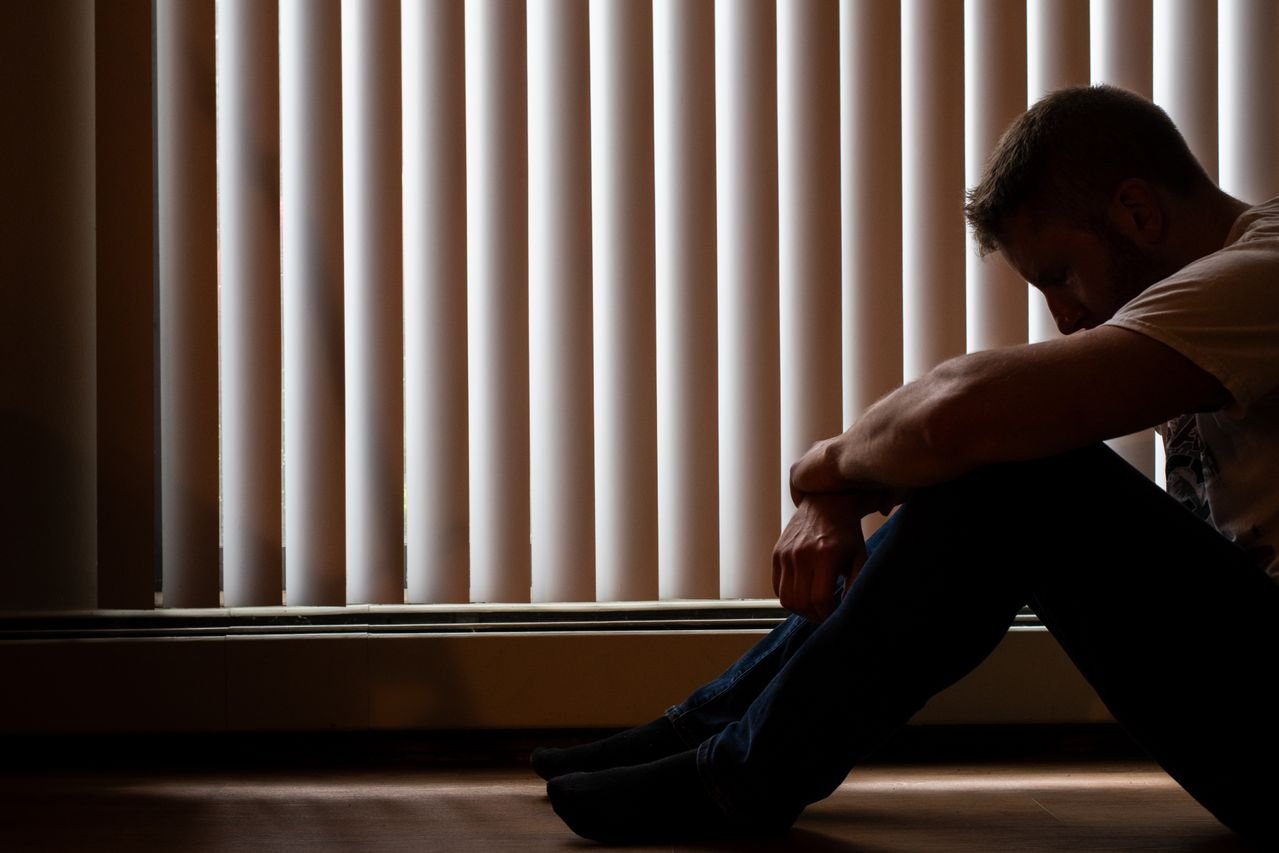
Anxiety: Symptoms, Causes, and How We Can Help
What is anxiety?
Anxiety is a mental state characterised by feelings of nervousness, worry, or fear. It's a natural response to stressful, challenging, or unfamiliar situations — something everyone experiences from time to time.
For example, it's normal to feel anxious about an important presentation, exam results, or a medical test. In these cases, anxiety is typically short-lived and resolves once the situation has passed. However, for some, anxiety can persist and significantly impact daily life, indicating an anxiety disorder.
If you're having thoughts of harming yourself, or you're in crisis right now, please contact Samaritans free on 116 123 (available 24/7), call NHS 111, or go to A&E. In an emergency, call 999.

When does anxiety become a mental health condition?
You may have an anxiety disorder if:
- Your feelings of anxiety are intense, long-lasting, or hard to control
- You feel your anxious reactions are disproportionate to the situation
- Anxiety disrupts your work, social life, or daily routine
- You regularly experience the physical and psychological symptoms listed below
Common types of anxiety disorder
Anxiety isn't a single condition — it covers several related diagnoses, including:
- Generalised Anxiety Disorder (GAD): persistent, excessive worry about a range of everyday things, rather than one specific trigger
- Social anxiety disorder: intense fear of social situations, judgement, or embarrassment
- Panic disorder: recurring, sudden panic attacks, often with intense physical symptoms
- Phobias: intense fear of a specific object or situation, such as heights or flying
A GP or Advanced Clinical Practitioner can help you understand which, if any, applies to you.
Common symptoms of anxiety
Physical symptoms
- Racing heart or tight chest.
- Breathing faster than usual.
- Trouble concentrating.
- Feeling restless or unable to relax.
- Light-headedness or dizziness.
- Pins and needles.
- Dry mouth.
- Feeling hot or sweaty.
- Headaches, muscle aches, or nausea.
- Increased trips to the toilet.
- Trouble sleeping or grinding teeth.
Psychological symptoms
- Feeling nervous, tense, or on edge.
- Struggling to control feelings of worry.
- Worrying about a range of issues.
- Dread or fear of the worst happening.
- Feeling detached or that things aren't real.
- Irritability or snapping at others.
- Seeking reassurance or avoiding stressful situations.
- Increased smoking, drinking, or other coping mechanisms.
What causes anxiety?
Anxiety is the body's "fight or flight" response to a perceived threat. While this response helps in truly dangerous situations, in modern life it often kicks in unnecessarily.
For anxiety disorders, the causes are more complex. Common contributing factors include:
1. Traumatic experiences
- Difficult childhoods or adverse life events
- Emotional or physical abuse.
- Losing a parent
- Experiencing bullying or neglect
2. Current life stress
Anxiety can result from pressure in various aspects of your life, such as:
- Financial struggles (e.g., paying bills or rent)
- Challenges at work, school, or university
- Relationship problems
- Health concerns or caring for an ill loved one
- Social media comparisons, which can worsen anxiety
3. Other health issues
Anxiety can stem from or be worsened by:
- Chronic health conditions
- Other mental health conditions, such as depression
- Hormonal changes during pregnancy, menopause, or other life stages
Understanding your anxiety's root cause can help you manage and reduce symptoms.
Coping strategies for anxiety
Alongside professional treatment, everyday habits can help reduce anxiety symptoms:
- Practise slow breathing. Slowing your breathing can help ease physical symptoms like a racing heart (Mind, 2026)
- Get regular movement. Physical activity can help lower everyday anxiety and improve mood
- Keep a worry journal. Writing down worries can make them feel more manageable and help you spot patterns
- Limit caffeine and alcohol. Both can worsen anxiety symptoms or disrupt sleep
- Prioritise sleep. Poor sleep and anxiety can feed into each other, so a consistent routine can help
- Talk to someone you trust. Sharing how you're feeling with friends, family, or a professional can reduce the sense of carrying it alone
These strategies can help with day-to-day anxiety, but they're not a substitute for professional support if your anxiety is persistent or severe.

How is anxiety diagnosed?
To diagnose anxiety, a doctor or Advanced Clinical Practitioner (ACP) will assess your symptoms and medical history. Blood tests may be recommended to rule out other conditions.
Treatment options
-
Therapy
-
Talking therapy: share your thoughts with a trained professional in a private, supportive setting
-
Cognitive Behavioural Therapy (CBT): focus on changing unhelpful thought patterns to improve how you feel and act
-
-
Medication
-
Antidepressants (SSRIs/SNRIs): improve mood and reduce anxiety in some cases
-
At Doctor Care Anywhere, we offer:
Frequently asked questions
Anxiety often combines physical symptoms — like a racing heart, tight chest, or dizziness — with psychological ones, such as persistent worry, dread, or irritability. Symptoms vary from person to person.
Everyday anxiety is a normal human response to stress. It becomes a diagnosable mental health condition, such as Generalised Anxiety Disorder, when it's intense, persistent, and disrupts daily life.
Anxiety is often ongoing worry or unease, while a panic attack is a sudden, intense episode of fear with strong physical symptoms that usually peaks within minutes.
If your anxiety is intense, persistent, feels disproportionate to the situation, or is affecting your work, relationships, or daily life, it's worth speaking to a GP or Advanced Clinical Practitioner.
Related Topics
-
Depression: Causes, Symptoms, and How We Can Help
-

Low Mood: Causes, Symptoms, and How We Can Help
-
Stress: Causes, Symptoms, and How We Can Help