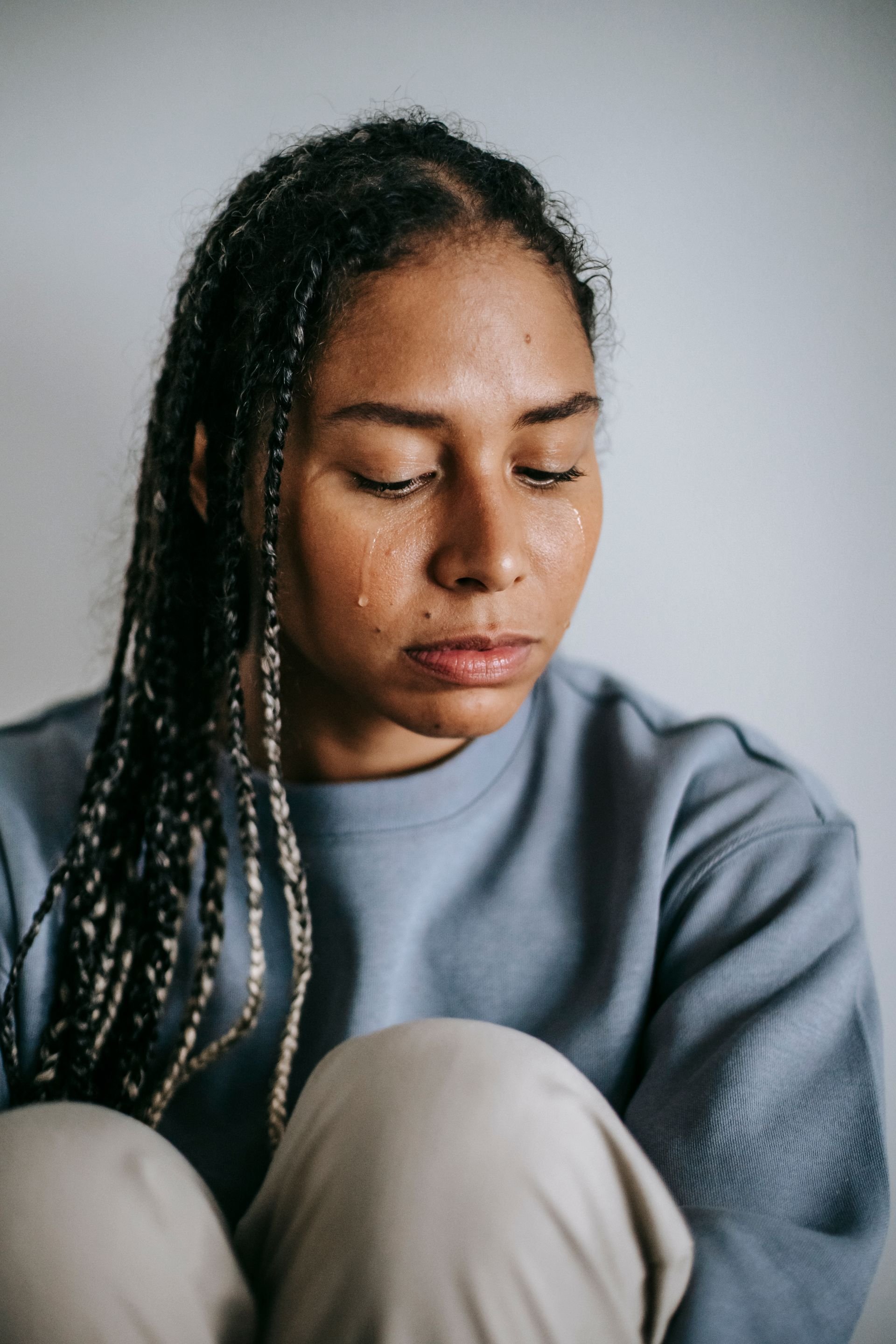
Perimenopause and Menopause: Understanding and Managing the Transition
What are Perimenopause and Menopause?
Perimenopause and menopause mark significant life transitions for women, bringing hormonal, physical, and emotional changes that can impact daily life. While these changes are entirely natural, managing symptoms can feel overwhelming at times. At Doctor Care Anywhere, we’re here to support you through every stage, offering tailored care to manage symptoms and improve your quality of life.
These stages are a natural part of ageing, typically occurring between the ages of 45 and 55. However, every woman’s experience is unique, and symptoms can vary widely.
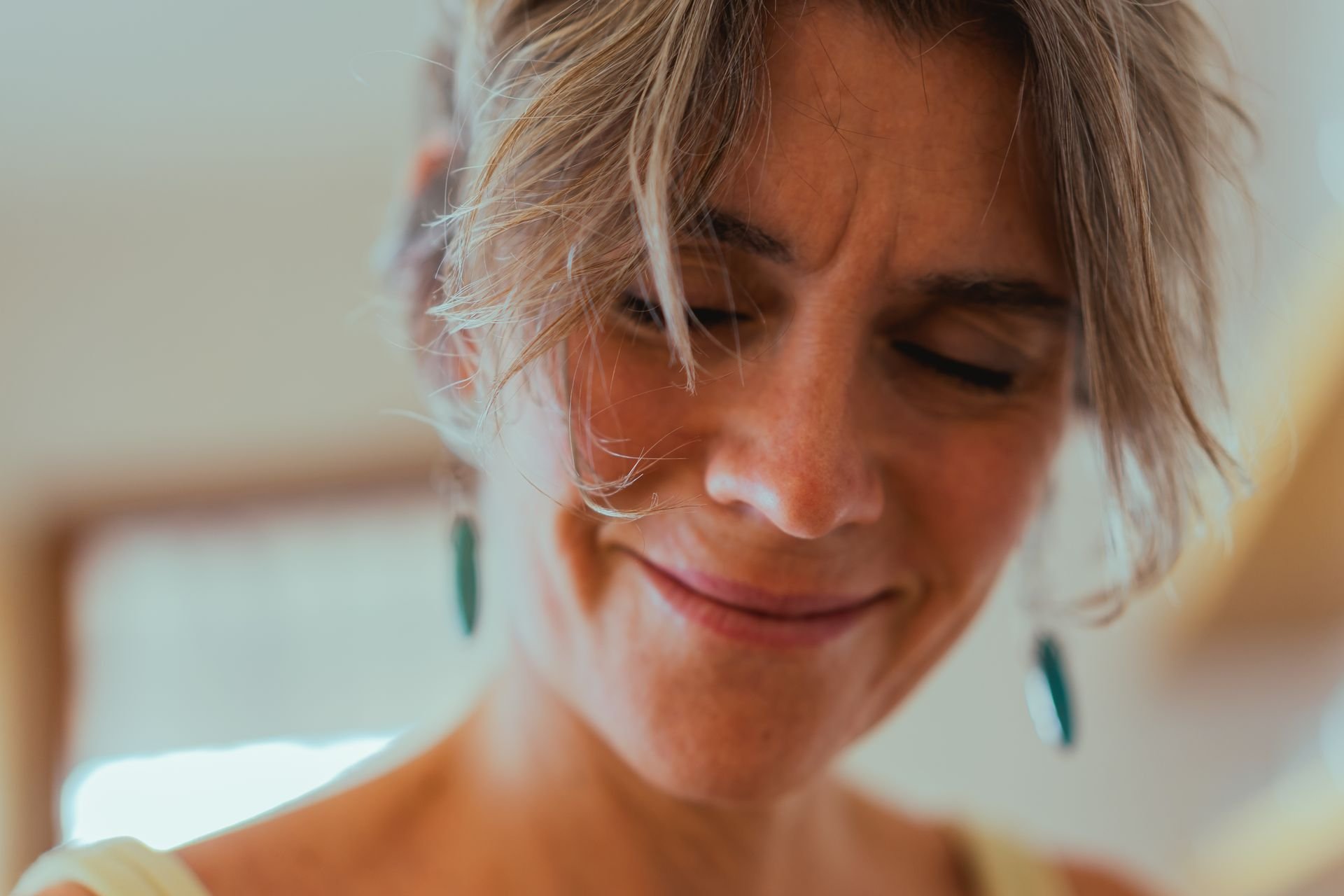
Perimenopause
This is the phase leading up to menopause when your body begins to produce less oestrogen. It often starts years before menopause and can cause irregular periods along with other symptoms.

Menopause
Menopause is officially reached when you’ve gone 12 months without a menstrual period. At this stage, oestrogen levels are significantly reduced, and symptoms may continue or change.
Common symptoms of Perimenopause and Menopause
Symptoms can vary widely, affecting both physical and emotional well-being. Common symptoms include:
Symptoms |
What it means |
|---|---|
|
Hot flushes |
Sudden waves of heat, often accompanied by sweating. |
|
Night sweats |
Hot flushes that disrupt sleep. |
|
Mood changes |
Irritability, anxiety, or low mood. |
|
Sleep disturbances |
Difficulty falling or staying asleep. |
|
Irregular periods |
Lighter, heavier, or less frequent cycles during perimenopause. |
|
Vaginal dryness |
Causing discomfort during intimacy. |
|
Reduced libido |
Decreased sexual desire or comfort. |
|
Brain fog |
Memory and concentration issues. |
Treatment options for Perimenopause and Menopause
There’s no one-size-fits-all approach to managing menopause. Treatment should be tailored to your individual needs and preferences. Options include:
Hormone Replacement Therapy (HRT)
HRT replaces the oestrogen your body is no longer producing. It’s one of the most effective treatments for hot flushes, night sweats, and other menopausal symptoms. If you’re looking into HRT as part of your menopause treatment, your GP can talk you through the options that suit you best.
Lifestyle Adjustments
Small changes to your daily routine can make a big difference:
- Exercise regularly to boost mood and bone health
- Eat a balanced diet rich in calcium and vitamin D to support bone density
- Prioritise sleep by creating a calming bedtime routine
- Avoid smoking, as it can make menopause symptoms worse
Non-Hormonal Treatments
There are multiple products that are sold to help symptoms of menopause including some herbal remedies, it is worth speaking to your GP or pharmacist prior to taking these as some can have serious side effects or may be harmful if you have certain health conditions.
How DCA can help
Our clinicians are here to guide you through every stage of perimenopause and menopause with:
-
Personalised advice tailored to your symptoms and lifestyle
-
Prescriptions for HRT and other treatments, if appropriate
-
Referrals to specialists when additional support is needed
-
Practical tips on managing symptoms with lifestyle changes

Frequently asked questions
Here are direct answers to some of the most frequently asked questions about perimenopause and menopause.
During perimenopause, your ovaries gradually approach what is sometimes called ovarian failure, and hormone levels don’t fall in a straight line — they fluctuate for months or years before ceasing altogether. This is when you’re described as perimenopausal, and once you’ve gone 12 months without a period, you’re considered post-menopausal. Underneath this, your body experiences both oestrogen-decline and progesterone-decline, becoming oestrogen-deficient and hormone-deficient overall, which is why the effects can feel systemic and psychological — touching mood, sleep, bones, and more, not just your reproductive cycle.
A vasomotor symptom is the medical term for hot flushes and night sweats — sudden waves of heat that happen when hormonal changes trigger a temporary shift in how your body regulates temperature. These symptoms can range from mild to disruptive, and there are several ways to manage them, from HRT to lifestyle changes like layering clothing and avoiding triggers such as caffeine or alcohol.
Lower oestrogen can lead to vaginal atrophy — thinning and dryness of the vaginal tissue — which is part of a wider pattern sometimes called genitourinary atrophy, affecting the urogenital area more broadly. Some women also notice urinary incontinence as the genitourinary tissues change. Doctors can help manage symptoms with topical oestrogen, moisturisers, or lubricants, so it’s worth mentioning these changes even if they feel like an awkward topic to raise.
HRT works to oestrogen-replace and more broadly hormone-replace what your body is no longer producing. Tibolone is a synthetic alternative that has a similar effect to combined HRT. For women who prefer not to take hormones, phytoestrogen supplements — plant compounds like isoflavone found in soy — are sometimes used to symptom-manage mild symptoms, though the evidence for these is more limited than for HRT. Your GP can also help weigh up any metabolic factors, such as weight or cholesterol changes, when deciding what’s right for you.
Yes — falling oestrogen can affect more than reproductive symptoms. Some women notice low mood, depression and anxiety. Doctors may treat these where needed, and some find their mood can mood-stabilise again once hormone levels settle. Some women notice a cognitive-decline in memory or concentration (often described as “brain fog”), though this usually improves over time. Bone health matters too: without oestrogen, bone-density-decline can accelerate, raising fracture risk, so doctors may recommend calcium, vitamin D, weight-bearing exercise, or HRT to help bone-density-increase.
Related Topics
-
Low Mood: Causes, Symptoms, and How We Can Help
-
What Is Cervical Cancer?
-
Understanding Breast Cancer