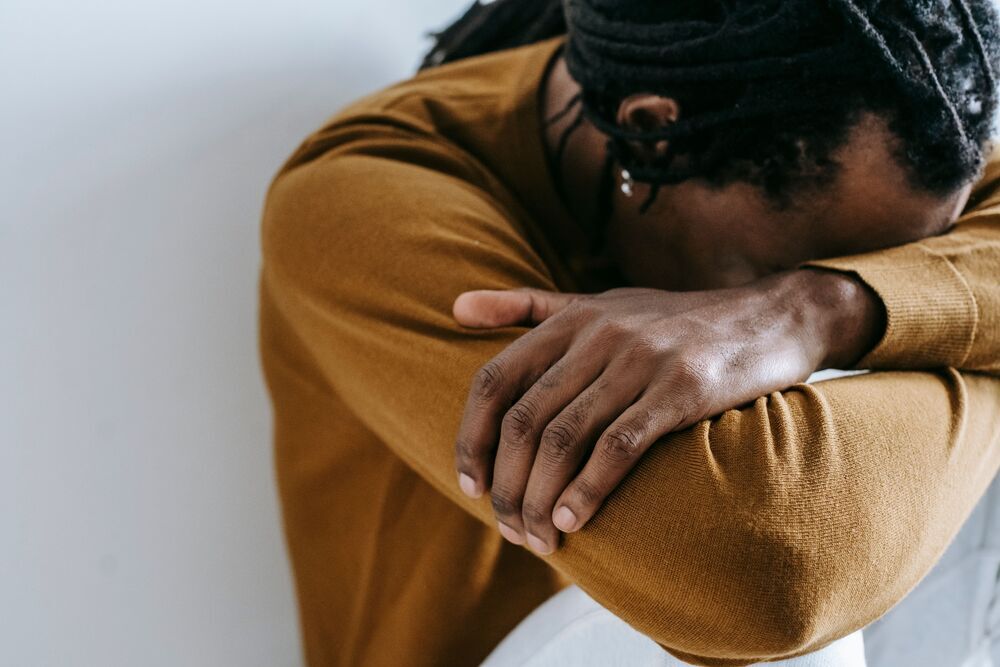
Sleep Advice: How to Get a Better Night's Rest
Signs of insomnia / poor sleep
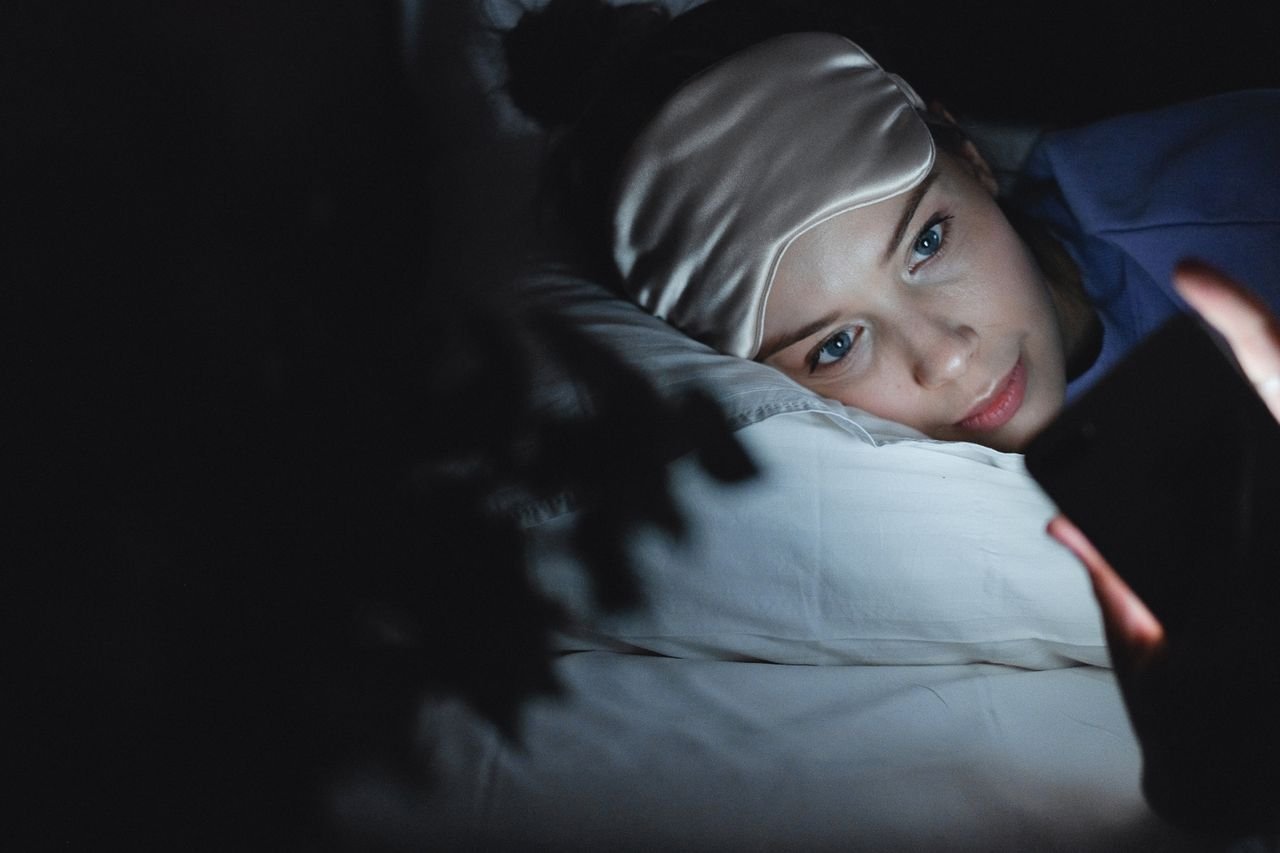
Do you often find yourself lying awake at night, struggling to feel rested? You might be experiencing insomnia or poor sleep if you:
- Struggle to fall asleep
- Wake up several times during the night
- Feel tired when you wake up
- Wake up too early and find it hard to get back to sleep
- Feel irritable, tired, or unable to concentrate during the day
The amount of sleep we need changes with age
Age Gap |
Recommended sleep |
|---|---|
|
Adults |
7 - 9 hours |
|
Children |
9 -13 hours |
|
Toddlers and babies |
12-17 hours |
Trouble sleeping? Here's what could be causing it — and how to fix it
Poor sleep can come down to daily habits, your environment, or something that needs medical attention. Here's what might be behind it, and what actually helps.
What causes sleep difficulties?
There are many reasons why you might struggle to sleep, including:
- Stress, low mood, or anxiety.
- Disruptive noise or an uncomfortable sleep environment.
- Alcohol, caffeine, nicotine, or recreational drugs like cocaine or ecstasy.
- Jet lag or irregular schedules (e.g., shift work).
- Too much screen time, especially before bed.
Sleep hygiene: Tips for better sleep
Making small changes to your bedtime habits can make a big difference to your sleep quality. Here are some tips to improve your sleep hygiene:
- Limit daytime naps to 30 minutes.
- Stick to a consistent sleep schedule, even on weekends.
- Avoid stimulants like caffeine, especially in the afternoon or evening.
- Minimise alcohol close to bedtime—it may make you sleepy initially but can reduce overall sleep quality.
- Avoid heavy, rich, or spicy foods before bed.
- Get regular exercise and increase exposure to natural light during the day.
- Develop a relaxing bedtime routine, like reading or meditating.
- Create a comfortable sleep environment:
- Keep the room cool, quiet, and dark.
- Ensure your bed and pillows are comfortable.
What about sleeping pills?
Sleeping pills are rarely prescribed today because they can be addictive and cause serious side effects. If they are prescribed, it’s usually for short-term use (a few days) and only for severe cases when other treatments have not worked.
For most people, improving sleep habits and addressing the root cause of insomnia leads to better long-term results.
Frequently asked questions
Here are direct answers to some of the most frequently asked questions about sleep.
Your sleep-wake cycle is governed by your circadian rhythm — an internal body clock that helps regulate when you feel alert or sleepy. Part of how your body sleep-wake-cycle-regulate itself involves melatonin, a hormone your brain starts to secrete as it gets dark, and will suppress again once it’s light. This process is circadian and melatonin-dependent, and it’s also light-sensitive, which is why bright screens or lights before bed can disrupt it.
Obstructive sleep apnoea (OSA) is a condition where your airway becomes repeatedly blocked during sleep, causing you to briefly stop breathing — sometimes called sleep apnoea syndrome when it’s more severe or long-standing. If you or a partner notice loud snoring, gasping, or daytime exhaustion, a doctor can diagnose the condition, often with an overnight sleep study, and can treat it with options like a CPAP machine, lifestyle changes, or in some cases surgery. These apnoea-related symptoms shouldn’t be ignored, since untreated OSA can affect your heart health as well as your sleep.
If you’re chronically sleep-deprived, doctors will often look at both psychogenic causes (linked to stress, anxiety, or mood) and physiological ones (like pain, hormones, or breathing problems) before recommending treatment. Many sleep-related and sleep-deprivation-related problems respond well to non-drug approaches: optimising sleep-hygiene, improving bedroom-environment (since many people are noise-sensitive or temperature-sensitive without realising it). For more persistent insomnia-related difficulties, some clinicians recommend cognitive-behavioural-therapy.
Related Topics
-
Anxiety: Symptoms, Causes, and How We Can Help
-

Low Mood: Causes, Symptoms, and How We Can Help
-
Depression: Causes, Symptoms, and How We Can Help