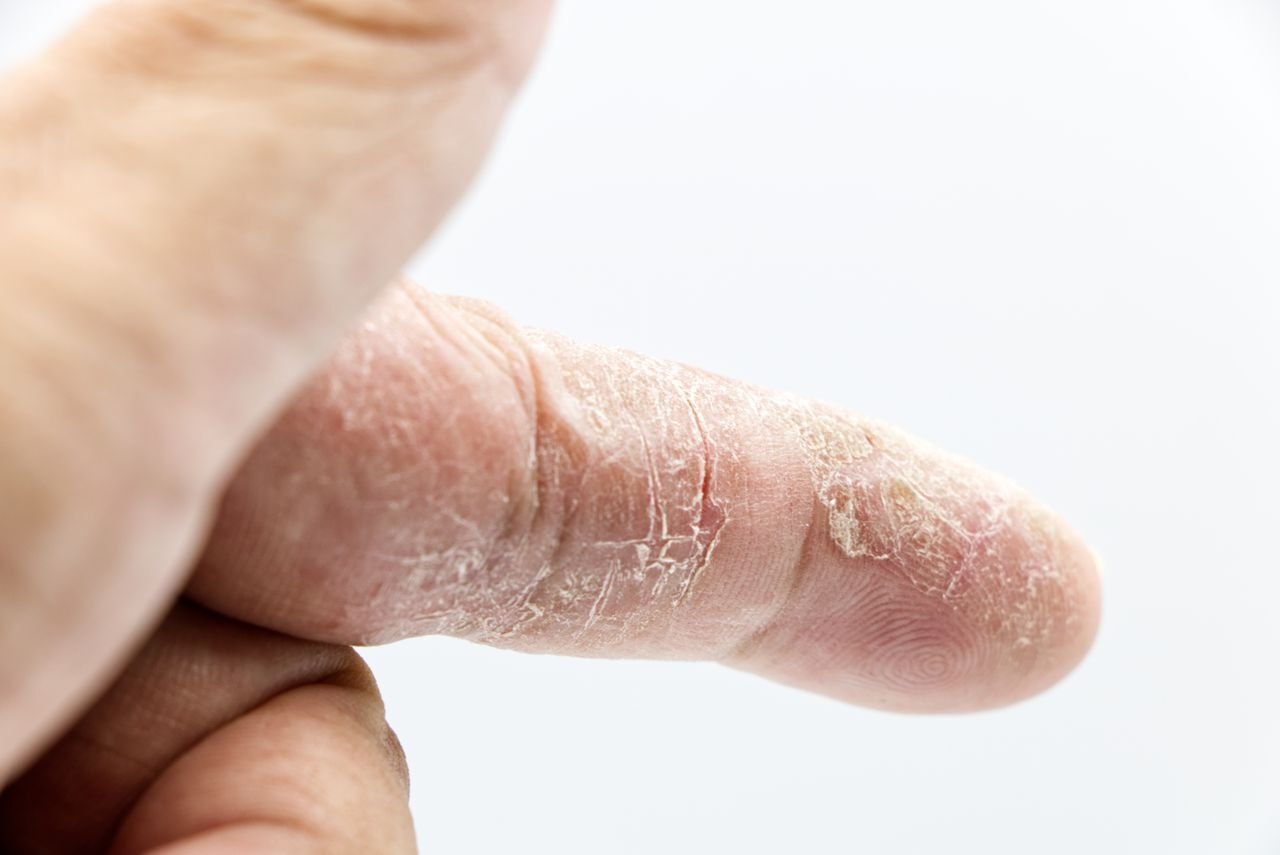
Cold Sores: Triggers, Treatment, and Prevention 


What is a cold sore?

A cold sore is a small, fluid-filled blister that typically develops on or around the lips. It is caused by an infection with the herpes simplex virus . After the initial infection, the highly contagious virus remains dormant in your nerve cells permanently, occasionally waking up to cause recurrent outbreaks when triggered.

The herpes simplex virus (HSV)

A cold sore is the visible result of an infection by the herpes simplex virus. As the NHS notes, once you are exposed to HSV-1, the virus travels up the nerve endings and remains dormant (inactive) in your nerve cells. It stays there permanently and can be reactivated later in life by various triggers, travelling back down the nerve to the skin to cause a visible outbreak. While HSV-1 is the primary cause of cold sores, the closely related herpes simplex virus type 2 (HSV-2), which is typically associated with genital herpes, can also sometimes cause cold sores on the mouth.
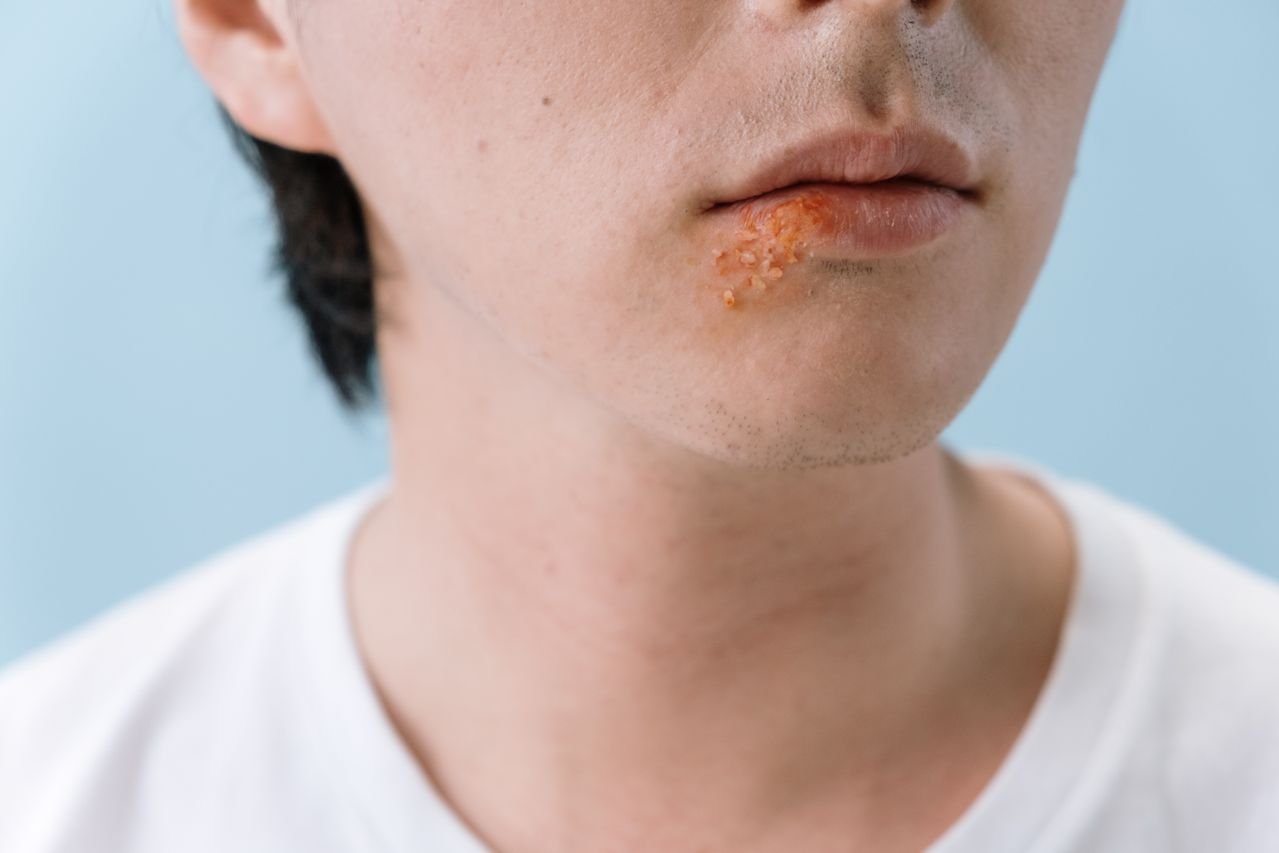
Close-up of a cold sore on a young man's lower lip

Cold sore vs pimple vs canker sore

It is easy to confuse a developing cold sore with a pimple or a mouth ulcer (canker sore), but they are treated very differently. A cold sore typically begins with a tingling or burning sensation, followed by a cluster of blisters on the edge of the lip. A pimple is a blocked pore that creates sore pressure and usually forms a single raised spot with a white head. A canker sore is a shallow ulcer that only forms on the inside of the mouth and feels sharp or sore when touched by your tongue.

Feature

Cold sore

Pimple

Canker sore 

Cause

Viral infection (HSV-1) 

Blocked pore and bacteria 

Various (stress, minor injury, diet) 

Location

On or around the lips 

Anywhere on the face or body 

Inside the mouth or cheeks

Appearance 

Cluster of small fluid-filled blisters 

Single raised red spot, often with a white head 

Small, shallow, white or yellow ulcer

Initial sensation 

Tingling, itching, or burning 

Tender, sore pressure 

Sharp pain when touched by food or tongue 

The five stages of a cold sore outbreak

A cold sore outbreak follows a predictable cycle of five stages, usually lasting between seven and 12 days from the first symptom to complete healing.

Stage 1: The tingle (days one to two)

Before a cold sore becomes visible, you will often experience a prodrome stage. This involves a tingling, itching, or burning sensation under the skin, exactly where the blister will soon appear. This is the most critical stage. Applying an antiviral treatment at the very first sign of a tingle is the most effective way to slow down viral replication and reduce the severity of the outbreak.

Stage 2: The blister (days two to four)

Following the tingling sensation, the virus reaches the surface of the skin. The area will typically look red, swollen, and inflamed. Within a day or so, a cluster of small, hard, fluid-filled blisters will erupt on the surface.

Stage 3: The ulcer or weeping stage (days four to five)

This is usually the most painful and uncomfortable part of the outbreak. The fluid-filled blisters burst, leaving behind a shallow, open, weeping sore. The fluid inside the blisters contains millions of viral particles, making this the most highly contagious stage of the cold sore lifecycle.

Stage 4: The crusting stage (days five to eight)

As the open ulcer begins to dry out, a yellowish-brown crust or scab forms over the lesion. This scab is a natural part of the healing process, protecting the new skin forming underneath. The scab can feel tight and itchy, and smiling or eating may cause it to crack and bleed.

Stage 5: The healing stage (days eight to 12)

In the final stage, the scab will naturally flake off. It reveals newly healed skin underneath, which may appear slightly pink or red for a few days before returning to its normal colour. The cold sore heals completely without leaving a scar, and the virus retreats back up the nerve pathway to return to its dormant state.

How to treat a cold sore

You can treat an active cold sore and speed up healing most effectively by applying a topical antiviral cream at the very first sign of a tingling sensation, which helps to stop the virus from multiplying.

Over-the-counter antiviral creams and patches

Pharmacies sell antiviral creams containing active ingredients like aciclovir or penciclovir. When applied at the first tingle, these creams can help shorten the healing time by up to a day or two. BNF guidance on aciclovir cream states it is licensed for herpes labialis (cold sores) and should be applied at the earliest signs of infection. The MHRA safety guidance on aciclovir cream reminds professionals and patients alike to follow product instructions carefully and apply the cream gently to avoid spreading the virus.

Hydrocolloid patches are another helpful over-the-counter option. While they do not contain antiviral medication, they act as a protective shield. They conceal the visible lesion, create a moist healing environment to prevent painful scabbing, and physically stop you from touching the sore and spreading the virus.
Woman applying lip balm while looking in a hand mirror

Prescription antiviral tablets

If you experience very severe or highly frequent outbreaks, an oral antiviral medication may be appropriate. Doctors can prescribe tablets like aciclovir or valaciclovir to tackle the virus from the inside. Oral tablets are generally more effective than topical creams at shortening the duration of an outbreak. BNF guidance on aciclovir tablets supports their use for treating herpes simplex infections, but they require a medical assessment and a prescription.

Managing pain and promoting healing at home

Alongside antiviral treatments, simple self-care steps can help soothe discomfort and support your skin's healing process:

  • Apply a cool, damp compress gently to the area to reduce redness and swelling.
  • Use over-the-counter pain-relieving creams or simple painkillers like paracetamol if the lesion is particularly painful.
  • Avoid highly acidic, salty, or spicy foods (like citrus fruits or crisps), which can sting the open ulcer.
  • Stay well hydrated.
  • Never pick at the scab. Let it flake off naturally to prevent scarring and to avoid introducing bacteria that could cause a secondary infection.

How to stop cold sores coming back

To stop cold sores from returning frequently, you need to identify your personal triggers and take practical steps to manage your lifestyle and protect your immune system.

Identify and manage your personal triggers

Every person reacts differently to the herpes simplex virus. Keeping a simple diary of when your cold sores appear can help you spot patterns. The NHS notes that outbreaks are often triggered by sunlight, stress, illness, and menstruation. Once you know your triggers, you can manage them:

  • Sunlight: UV light can quickly reactivate the virus. If you are prone to outbreaks on holiday or in the summer, use a lip balm with a high SPF (30 or above) every single day.

  • Stress: High stress levels temporarily lower your immune response. Practice simple relaxation techniques like deep breathing or regular light exercise. You can read our guide on managing stress for more practical advice.

  • Illness: When your body is fighting off a common cold, the dormant virus seizes the opportunity to reactivate. Focus on immune-supporting habits, including getting seven to nine hours of sleep a night and eating a balanced diet.
woman-dabbing-lips-tissue-closeup

The role of diet and supplements

Many people look to diet to manage cold sores, particularly the balance of two amino acids: lysine and arginine. The theory is that the virus needs arginine to replicate, while lysine inhibits this process. While strong clinical evidence for taking lysine supplements is limited, it remains a very popular preventative remedy.

Eating a diet rich in immune-supporting nutrients is a more reliable approach. Ensure you get enough Vitamin C and Zinc. The Herpes Viruses Association also suggests that selenium (found in high amounts in Brazil nuts) may help support your body's natural defences.

When to consider preventive medication

If you experience more than six outbreaks a year, or if your cold sores are exceptionally painful and disruptive, a doctor might suggest preventive (suppressive) medication. This involves taking a low daily dose of an oral antiviral tablet to keep the virus dormant.

This is a specialist decision and requires a thorough consultation to ensure it is the right approach for you. BNF guidance on valaciclovir notes that suppressive therapy is justified for frequent recurrences or where episodes are severe. You can book a video appointment with a Doctor Care Anywhere GP to discuss whether this treatment is suitable for you.

Cold sore myths vs facts

Many common beliefs about cold sores are outdated, whereas the facts prove that they are incredibly common viral infections and have nothing to do with personal cleanliness.

Myth: You only have the virus if you have a visible sore

Fact: The herpes simplex virus is present in your body permanently, even when it is completely dormant. While you are most contagious when a blister is present, viral shedding can sometimes occur on the surface of the lips even without a visible cold sore, although this is much less common.

Myth: You cannot spread a cold sore to other parts of your body

Fact: You can spread the virus to other areas of your body, although it is rare. This is known as autoinoculation. If you touch an active cold sore and then rub your eye, you risk developing ocular herpes, which is a serious eye infection. If you have broken skin on your hand and touch the sore, you can develop a painful condition on your fingers called a herpetic whitlow. Always wash your hands immediately after touching your face.

Myth: Cold sores are a sign of poor hygiene

Fact: Cold sores are caused by a highly contagious and incredibly common virus, and they have absolutely nothing to do with personal cleanliness. A large percentage of the adult population carries HSV-1. There is no reason to feel ashamed or embarrassed if you get them.

Myth: Once a scab forms, you are no longer contagious

Fact: You remain contagious until the cold sore has completely healed and the skin has returned to normal. While the risk of transmitting the virus is highest during the weeping stage when the blister bursts, it continues right through the crusting and scabbing stage.

When to see a doctor about your cold sores

You should see a doctor about a cold sore if it shows signs of a secondary bacterial infection, is close to your eye, or fails to heal after two weeks.

Signs your cold sore might be infected

Because a cold sore causes broken skin, bacteria can sometimes enter the wound. Signs of a secondary bacterial infection include increased redness spreading away from the sore, significant swelling, pus leaking from the lesion, or a high temperature. A doctor can prescribe antibiotics to treat the bacterial infection if necessary.

Why you must seek urgent advice if a cold sore is near your eye

If you develop a cold sore or a painful blister close to your eye, or if you have an active cold sore on your lip and your eye becomes red, painful, and sensitive to light, you must seek medical attention quickly. Ocular herpes is a serious condition that can affect your vision if left untreated.

When to get urgent help Call 111 or go to A&E if: you have a painful red eye, changes in your vision, or extreme sensitivity to light alongside a cold sore outbreak.

Specific situations that require a consultation

While most cold sores clear up on their own, you should consult a doctor if:

  • Your cold sores are very frequent or severe.
  • The sore has not healed after two weeks.
  • You are pregnant.
  • You have a weakened immune system due to a medical condition, chemotherapy, or immunosuppressant medication. The Royal College of Paediatrics and Child Health highlights that antivirals are specifically indicated for severe disease and for patients who are immunocompromised.

Conclusion

Cold sores are caused by a very common, manageable virus that you can control through early treatment and long-term prevention. While they can be painful and frustrating, understanding their lifecycle allows you to take action. Treating the area early at the first 'tingle' stage is highly effective, but your most powerful tool is long-term prevention. By identifying and managing personal triggers like stress, sunlight, and poor sleep, you can actively reduce the frequency of your outbreaks. Remember that you are not alone, and there is absolutely no shame in having a cold sore.

If you feel empowered to take control of your symptoms but need extra support for frequent, severe, or worrying cold sores, our clinicians are here to help. You can book an online GP appointment with Doctor Care Anywhere to discuss personalised treatment plans, identify triggers, and explore prescription options in a convenient video consultation. Appointments with our virtual GPs start from £45.

Frequently asked questions

Here are the answers to some of the most common questions patients ask our online GPs about managing and treating cold sores.

You can potentially get cold sores from sharing a drink, although transmission via objects is much less likely than direct skin-to-skin contact. The virus does not survive for long outside the body. However, the NHS strongly advises against sharing cold sore creams, lip balms, or cutlery while you have an active outbreak to minimise any risk of spreading it to others.

To stop a cold sore from getting bigger, the most effective method is to apply an over-the-counter antiviral cream at the very first sign of a tingle. BNF guidance on herpes simplex virus infections supports starting topical treatment as early as possible. This inhibits viral replication and limits the size of the outbreak.

You get cold sores in the same spot every time because the herpes simplex virus lives dormantly in a specific nerve ganglion. When it is reactivated by a trigger, it travels back down the exact same nerve pathway to the skin's surface. This is why your cold sore will almost always appear in the same general area of your lip or mouth.

Cold sore tablets are generally better than cream for treating a severe, active outbreak, as oral antivirals are more effective at reducing symptoms and healing time. However, tablets require a prescription and are typically reserved by doctors for more severe cases, frequent recurrences, or people with lowered immunity. Creams remain an excellent first-line option for milder outbreaks.

See a UK GP today

Skip the wait — book an online appointment and get expert advice from a UK-registered clinician in as little as 2 hours. 

Related Topics