What Is a Fungal Skin Infection? Symptoms, Causes, and Treatments

Fungal skin infections can cause discomfort, itching, and soreness on areas like the skin, scalp, and nails. These infections are common, and with the help of a GP (General Practitioner) or Advanced Clinical Practitioner (ACP), they can be diagnosed and treated effectively.

What is a fungal skin infection?

A fungal skin infection occurs when a fungus grows on or inside the skin, causing irritation. While most infections aren't dangerous, they can be uncomfortable and may spread if untreated.

The most common fungal skin infections include:

Ringworm

Red, ring-shaped rashes that can appear anywhere on the body. Despite the name, it's not caused by a worm, but by a fungus. With treatment, it usually clears within 2-4 weeks, though it can spread easily through skin-to-skin contact until treated..

Athlete's foot

Itchy, flaky skin between the toes or on the soles of the feet. It's contagious and commonly picked up in communal areas like changing rooms and swimming pools, but usually clears within a couple of weeks with antifungal treatment.

Yeast infections

Typically affecting the mouth (oral thrush) or genitals (vaginal thrush). These are generally not considered contagious in the way ringworm or athlete's foot are, though they can occasionally be passed between sexual partners.

Fungal nail infections

Discolouration and rough, crumbly nails, often on the toes. These tend to be the slowest to clear, sometimes taking several months of treatment, as the infection has to grow out with the nail.


What are the causes of fungal skin infections?

Fungal skin infections are caused by fungi, such as candida yeast or dermatophytes, that thrive in warm, moist environments.

Common causes include:

  • Skin-to-skin contact with an infected person or animal.

  • Damp conditions, like sweaty shoes or wet skin.

  • Sharing items such as towels, hairbrushes, or bedding.

  • Weakened immunity, diabetes, or obesity.

How are fungal skin infections treated?

For most fungal skin infections, treatment begins with a visit to your local pharmacy. A pharmacist can recommend antifungal creams, sprays, or gels to clear the infection.

If symptoms persist or worsen, a clinician may prescribe:

  • Antifungal tablets for severe or stubborn infections

  • Topical treatments for ringworm on the scalp

  • Antibiotics if a secondary bacterial infection develops

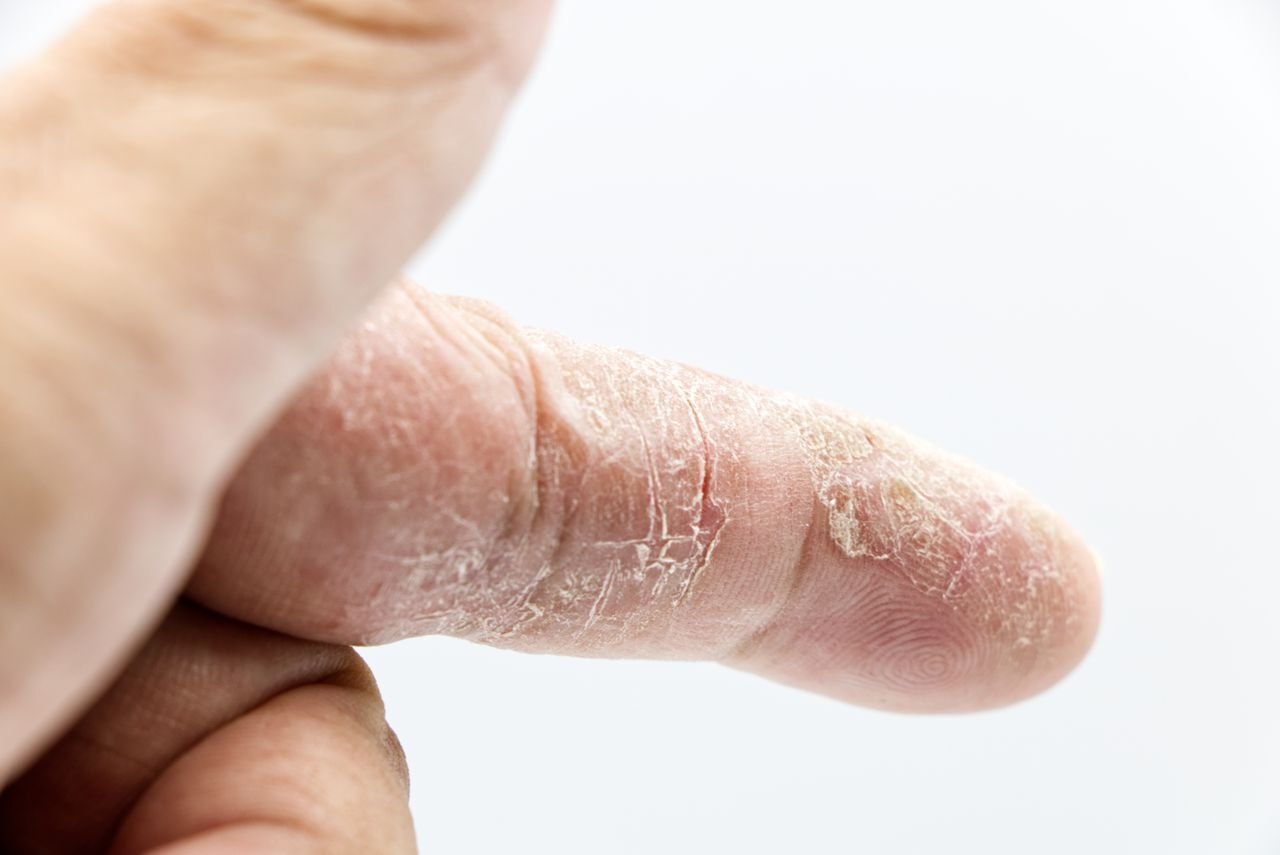
Close-up of dry, cracked skin on a finger

How can I prevent fungal skin infections?

While it's not always possible to avoid fungal infections, these tips can help reduce your risk:

  • Dry your skin thoroughly after bathing, especially in hard-to-reach areas
  • Avoid tight clothing; choose breathable fabrics
  • Wear flip-flops in communal showers or around swimming pools
  • Wash clothes and bedding regularly to keep them clean
  • Avoid sharing towels or hairbrushes with others.

Do I need to see a GP or ACP for a fungal skin infection?

Most fungal infections are manageable with pharmacy treatments. However, if symptoms persist, worsen, or cause significant discomfort, a GP or ACP can help.

At Doctor Care Anywhere, our trusted GPs and ACPs provide expert advice, diagnosis, and tailored treatment plans. Book an online consultation today and get the care you need without leaving home.

Frequently asked questions

This varies by type. Ringworm and athlete's foot usually clear within a couple of weeks with treatment, while fungal nail infections can take several months, as the infection needs to grow out along with the nail.

Ringworm and athlete's foot are contagious and can spread through skin-to-skin contact or shared items like towels. Yeast infections such as thrush are generally less easily passed between people.

Yes, most mild fungal skin infections can be treated with over-the-counter antifungal creams, sprays, or gels from a pharmacy. See a GP or ACP if it doesn't improve, spreads, or you have diabetes or a weakened immune system.

Because the fungus lives within the nail itself, treatment needs time to work through as the nail grows out — this is why nail infections often take months to fully clear, even with the right treatment.

See a UK GP today

Skip the wait — book an online appointment and get expert advice from a UK-registered clinician in as little as 2 hours. 

Related Topics