Acne: Causes, Types & Treatment

Acne is one of the most common skin conditions, affecting people at every life stage — not just teenagers. Here's what causes it, the different forms it can take, and how it's treated.


What is acne?

Acne develops when hair follicles become blocked with oil (sebum) and dead skin cells. It's driven by a few key factors:

  • Excess oil production — often linked to hormonal changes (puberty, periods, pregnancy, PCOS)

  • Pore blockage — dead skin cells and sebum building up in the follicle

  • BacteriaCutibacterium acnes, which thrives in blocked pores and triggers inflammation

  • Inflammation — the body's response, causing redness, swelling and pain

  • Genetics — a strong family history of acne increases your likelihood of developing it

Diet plays a smaller role than most people assume, genetics and hormones are the bigger drivers.
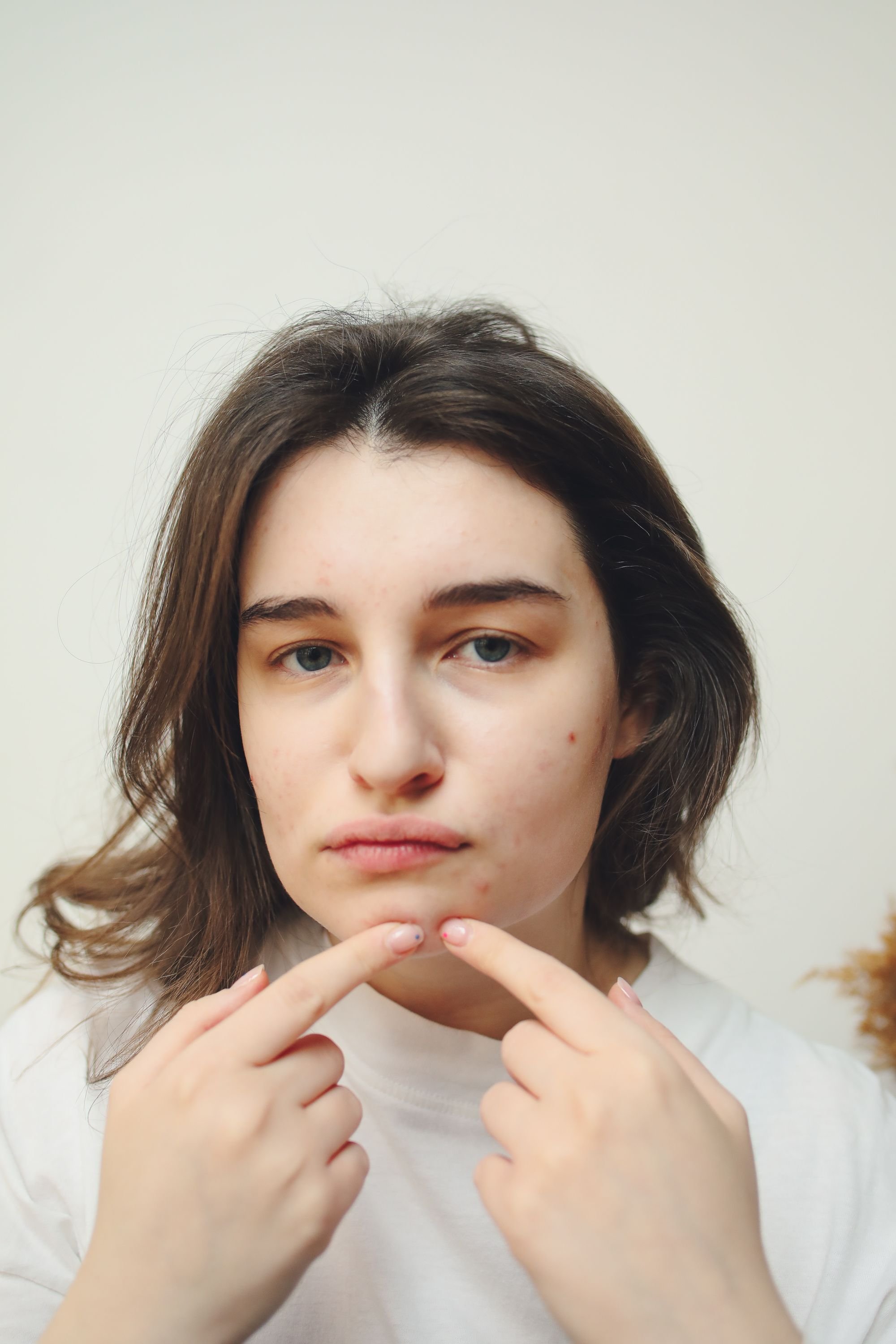
Close-up portrait of a young woman with skin blemishes, looking directly at the camera with a neutral expression

Types of acne

Acne covers a range of lesions, from mild to severe.

Severity is generally classed as mild (mostly blackheads/whiteheads), moderate (widespread papules and pustules), or severe (nodules and cysts present) – and this is what determines the right treatment.

  • Blackheads - open, blocked pores that darken on contact with air

  • Whiteheads – closed, blocked pores appearing as small bumps

  • Papules – small, inflamed, tender red bumps

  • Pustules – inflamed spots with a visible white or yellow centre

  • Nodules – larger, firmer lumps deeper in the skin

  • Cysts – deep, painful, pus-filled lesions with the highest risk of scarring

Acne scarring

Inflammation from nodular or cystic acne can damage deeper skin layers, leaving acne scars once a spot heals — indentations, raised scar tissue, or dark marks that fade over months. Treating active acne early reduces the risk of scarring.
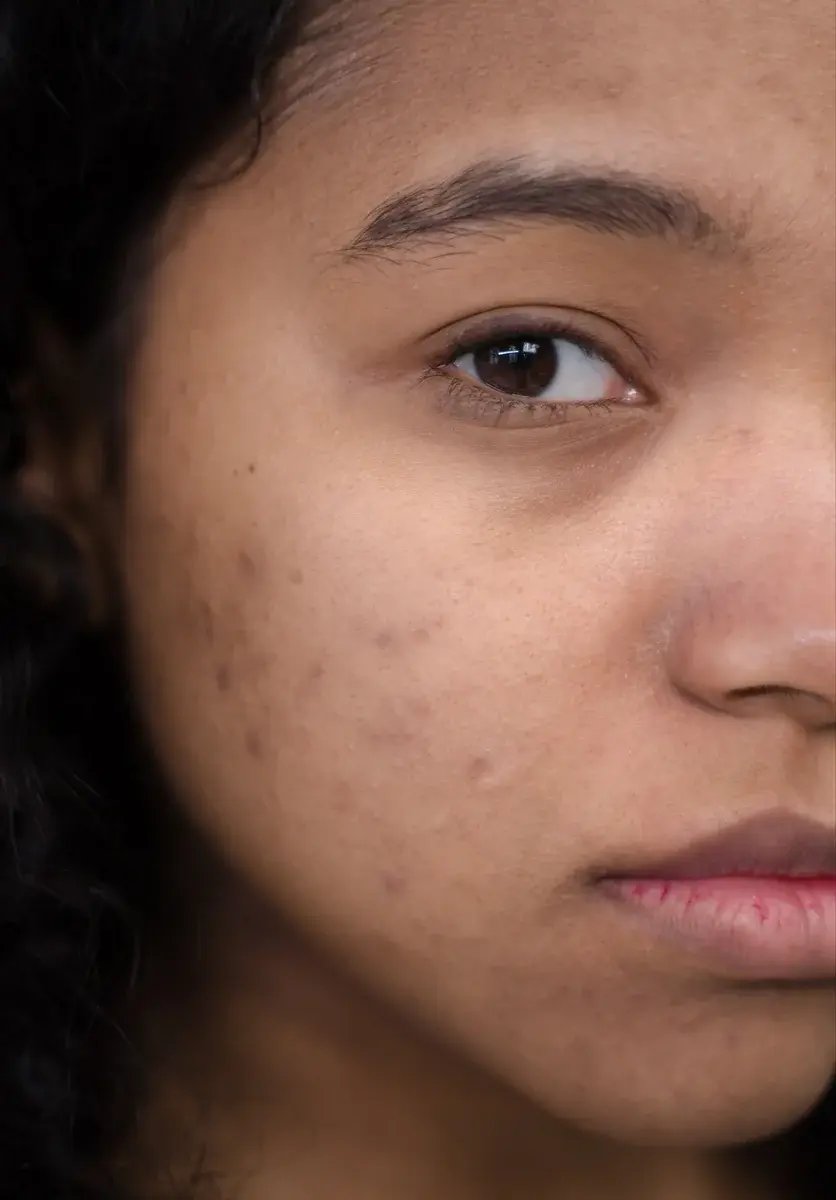
Close-up of a woman's cheek showing acne scarring and blemishes

How is acne treated?

Treatment targets the underlying causes – oil, blockage, bacteria or inflammation – usually starting with the mildest effective option.

1. Topical treatment

Applied to the skin, is typically the first step:

  • Retinoids speed up skin cell turnover, helping prevent blocked pores

  • Benzoyl peroxide kills acne-related bacteria and clears dead skin from pores

  • Topical antibiotics reduce bacteria and inflammation, often combined with benzoyl peroxide

  • Azelaic acid unblocks pores, reduces bacteria, and can fade post-acne marks

2. Oral medication

This may be used for more persistent or severe acne:

  • Oral antibiotics reduce inflammation and bacteria body-wide, usually for a limited course

  • Hormonal treatments, such as the combined pill, help where hormones are a driving factor

  • Isotretinoin, for severe or scarring acne, reduces oil gland activity and requires close medical supervision

3. Acne scar treatment

This depends on the type of scarring, and can include topical treatments, procedures like chemical peels or microneedling, or dermatologist referral.

4. Everyday skincare

Like a gentle, non-comedogenic acne face wash and acne patches to protect spots without picking — supports any prescribed treatment.

Frequently asked questions

Not always outright, but it can be effectively managed, with most people seeing significant improvement with the right treatment plan.

Most treatments take 6–8 weeks to show visible results.

It depends on severity — a doctor will assess and recommend the most appropriate option.

Yes, scarring can be assessed and treated separately from active breakouts.

See a UK GP today

Skip the wait — book an online appointment and get expert advice from a UK-registered clinician in as little as 2 hours.

Related Topics