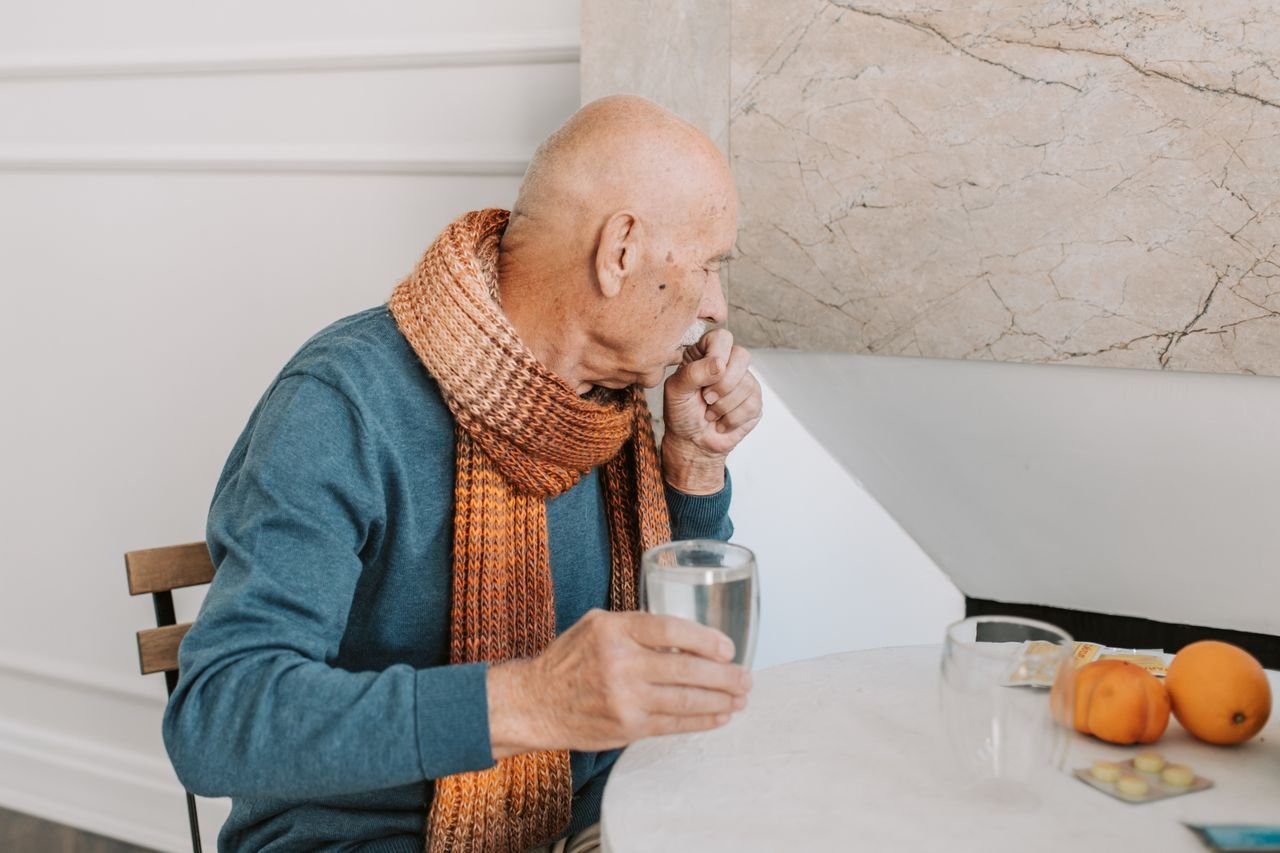
Common Cold: Symptoms, Causes, and Treatment
A common cold is one of the most frequent illnesses we experience, affecting people of all ages. While colds can vary in severity, they're typically mild and rarely pose any serious health risks. In most cases, colds clear up within a week or two and can be treated at home with simple remedies and over-the-counter medications.
What are the symptoms of a cold?
Symptoms are usually mild, allowing you to continue with your daily activities, including going to work.
In some cases, more severe symptoms such as fever, headache, and muscle aches may develop. However, these are more commonly associated with the flu rather than a cold.
The symptoms of a cold tend to develop gradually and may include:
- Blocked or runny nose.
- Sore throat.
- Sneezing.
- Coughing.
Cold vs flu: what's the difference?
Although cold and flu symptoms are similar, the flu is generally more serious and can lead to more severe symptoms.
Here's a comparison of the two:
Symptom |
Common cold |
Flu |
|---|---|---|
|
Onset |
Gradual |
Sudden and intense |
|
Main symptoms |
Sneezing, sore throat, coughing, runny nose |
Fever, body aches, extreme fatigue |
|
Severity |
Mild — you can continue normal activities |
Severe — can leave you bedridden |
Is it a cold, the flu, or COVID-19?
Colds, flu and COVID-19 are all infections of the airways, and their symptoms overlap a lot. Fever, aches, headache and cough can happen with any of them, so you can't reliably tell which one you have from symptoms alone.
Some general patterns:
- The common cold is usually caused by a virus. It tends to come on over a few days and is often milder.
- Flu can come on suddenly and often makes people feel more unwell.
- COVID-19 can start gradually or suddenly, and can range from very mild to severe. Loss of taste or smell can happen, but many people don't have it.
These are only tendencies, and any of the three can be mild or severe.
How do you catch a cold?
Colds are caused by viral infections and spread through droplets released into the air when someone with the virus coughs or sneezes. If these droplets come into contact with your eyes, nose, or mouth, you can catch the virus.
While winter weather doesn't directly cause colds, it does increase the likelihood of catching one. This is partially due to people spending more time indoors, where close contact makes it easier for viruses to spread, as well as some viruses thriving in cold conditions.
To reduce your chances of catching a cold, follow these simple precautions:
- Wash your hands regularly with soap and warm water.
- Avoid sharing cups or towels with someone who has a cold.
- Stay clear of people showing cold symptoms.
When should I see a doctor about a cold?
Most of the time, you don't need to see a healthcare professional for a cold. Colds are usually mild and resolve on their own within a week or two. There's also no prescription treatment for colds, as antibiotics don't work for viral infections.
However, if your symptoms are still present after two weeks, it's worth keeping an eye on things, and you should make an appointment with a doctor or an Advanced Clinical Practitioner if:
- Your symptoms persist for more than three weeks.
- Your symptoms worsen significantly.
- You have a high fever or feel shivery.
- You experience difficulty breathing.
- You develop chest pain.
- You have a weakened immune system or long-term health conditions.
How to treat a cold at home
The most effective way to treat a cold is through supportive self-care, focusing on adequate rest, good hydration, and managing individual symptoms as they arise.
Rest and hydration
Your immune system requires energy to fight a viral infection, making rest a crucial part of recovery. Staying well hydrated by drinking plenty of water, which prevents your throat from becoming dry and irritated. Alcohol or excess caffeine should be avoided.
.
Sore throat and cough relief
A scratchy, painful throat is often the first and most uncomfortable symptom. Traditional home remedies to soothe a sore throat and cough include gargling with warm salt water andsipping a warm drink made with lemon and honey. Keep in mind that honey should not be given to children under one year of age.
Easing nasal congestion
When your nasal passages are blocked, breathing becomes difficult. There is some anecdotal evidence that steam inhalation can help Sitting in a steamy bathroom with the shower running is safer than leaning over a bowl of hot water with a towel over your head, which comes with a scald risk and should never be used for children Saline nasal sprays offer a much safer way to wash out thick mucus, and using a room humidifier can provide comfort by adding moisture to the air at night.
Cold and flu care kit
Being prepared before an illness strikes can make a significant difference to your comfort. Consider keeping these essentials in your medicine cabinet:
- A reliable digital thermometer.
- Painkillers like paracetamol or ibuprofen.
- A steady supply of soft tissues.
- Honey for soothing hot drinks.
- Decongestants (if suitable for your medical history).
- Simple saline nasal drops or spray.
Over-the-counter cold medicines
Over-the-counter medicines do not cure a common cold, but they can provide targeted relief for specific symptoms like pain, fever, and nasal congestion.
Pain and fever relief
You can usually take either paracetamol or ibuprofen, but it is important to read the package instructions carefully and always take the lowest effective dose for the shortest possible time.
|
Medication |
Benefits |
Suitability |
|---|---|---|
|
Paracetamol |
Excellent for reducing a high temperature and easing mild aches. |
Gentle on the stomach and suitable for most people. |
|
Ibuprofen |
Reduces both pain and inflammation, making it helpful for a very sore throat or muscle aches. |
Check package instructions carefully before use, ibuprofen is not suitable for everyone and can be unsuitable taken alongside other medications and medical conditions. |
Decongestants for blocked noses
Decongestants shrink any swollen blood vessels inside your nose so you can breathe more easily. They come in two types.
Nasal sprays and drops
- They work quickly, right where you need them.
- Don't use them for more than 7 days. Using them for longer than the label says can cause rebound congestion.
- If you're still blocked after stopping, ask a pharmacist or online GP rather than starting again.
Tablets and liquids
- They work throughout your body, so they don't cause the rebound blocked nose that sprays can.
- The benefit is modest, and they aren't recommended for children under 12. They may raise blood pressure. Check with a pharmacist or online GP first if you have high blood pressure or heart or kidney problems, or take other regular medicines.
- Many cold and flu remedies already contain a decongestant, so check the label before combining products.
Cough remedies: suppressants and expectorants
Over-the-counter cough medicines fall into two broad types, but the evidence that either helps is limited, and most coughs clear up on their own.
- Expectorants (such as guaifenesin) are designed to thin mucus so it is easier to cough up. Any benefit is likely to be small, and they are not suitable for everyone, so check the age guidance on the packaging.
- Cough suppressants (non-codeine) aim to reduce the urge to cough. They may be tried in people aged 12 and over with a short-lived cough that isn't producing much mucus. They aren't suitable for children under 12 or for a chesty cough, where coughing helps clear the airways. Codeine-containing cough medicines are unlikely to help.
If you're unsure which product is appropriate, a pharmacist or online GP can advise. Speak to a GP if your cough lasts more than three weeks, or sooner if you have breathlessness, chest pain, coughing up blood, or feel very unwell.
Combination remedies
Many pharmacy brands sell all-in-one cold remedies containing a painkiller, a decongestant, and a cough medicine. While convenient, these carry the risk of overmedicating if you only have one or two symptoms. There is also a risk of accidental overdose if you take them alongside standard paracetamol. It is generally safer and more effective to treat specific symptoms individually.

Colds and antibiotics
Antibiotics work against bacteria, not viruses, like colds, so they won't help you get better from a cold. Taking them when you don't need them can cause side effects and add to antibiotic resistance, which makes infections harder to treat in the future.
Most people recover from a cold without prescription medicine, but occasionally a cold can be followed by a bacterial infection, or your symptoms may turn out to have another cause. See a GP or call NHS 111 if you're getting worse rather than better, your symptoms last longer than expected, or you have difficulty breathing, chest pain, or a high temperature that won't settle. See a GP if you are still coughing after three weeks.
When to get medical help
Most colds get better on their own. Get advice if you or your child develop any of the signs below.
Adults
Call 999 or go to A&E if you have:
- Sudden, severe difficulty breathing
- Chest pain that spreads to your arms, back, neck and jaw
- Sudden confusion, slurred speech, or you're unusually drowsy or hard to wake
Call NHS 111 or contact a GP if you:
- Are getting worse rather than better, or feel very unwell
- Have a high temperature, or feel hot and shivery.
- Are short of breath, have a sharp chest pain, or cough up blood stained phlegm.
- Still have a cough after 3 weeks (sooner if you are short of breath or unwell)
- Have facial pain or pressure, with thick discoloured discharge, or a blocked nose that hasn’t started to improve after about 10 days or gets worse after seeming to improve
- Have a long-term lung condition or a weakened immune system. Get advice sooner, rather than waiting for a cold to clear.
Children
Call 999 if your child:
- Has difficulty breathing, is breathing very fast, or their tummy is sucking in under their ribs
- Is very drowsy, floppy or can’t be woken properly
- Has blue, grey, pale or blotchy skin, lips or tongue.
- Has a rash that doesn’t fade when you press a glass against it
Call NHS 111 or get an urgent GP appointment if:
- Is under three months with a temperature of 38C or higher
- Signs of dehydration, like dry nappies for 12 hours or no tears when crying.
- Has had a fever for more than 5 days
Colds and antibiotics
Antibiotics work against bacteria, not viruses, like colds, so they won't help you get better from a cold. Taking them when you don't need them can cause side effects and add to antibiotic resistance, which makes infections harder to treat in the future.
Most people recover from a cold without prescription medicine, but occasionally a cold can be followed by a bacterial infection, or your symptoms may turn out to have another cause. See a GP or call NHS 111 if you're getting worse rather than better, your symptoms last longer than expected, or you have difficulty breathing, chest pain, or a high temperature that won't settle. See a GP if you are still coughing after three weeks.
Managing colds in specific groups
Treatment approaches for a common cold must be carefully considered for vulnerable groups like young babies, pregnant women, and older adults.
Babies and young children
If your baby's blocked nose is making feeding difficult or uncomfortable, saline nose drops can help loosen the mucus. You can then gently clear their nose with a nasal aspirator before feeds. Don't use the aspirator too often, as it can irritate the inside of the nose. These measures can make your baby more comfortable, but they won't shorten the cold. The NHS explicitly advises that many over-the-counter cold medicines are not suitable for young children, particularly those under six. If your child is in pain or distressed by a fever, you can give infant paracetamol or ibuprofen, using a product and dose that suits their age and weight. However, ibuprofen isn't suitable for every child, so check with a pharmacist or GP first if your child has a long-term health condition, such as asthma.
Pregnancy and breastfeeding
If you have a cold while pregnant, paracetamol is the usual choice for pain or fever. Use the lowest dose that works, for the shortest time needed. Use of ibuprofen during pregnancy is not advised unless discussed with or prescribed by a doctor, especially if you are 20 or more weeks pregnant. Saline nose sprays or drops are also safe to use. Many oral decongestants are not recommended during pregnancy or while breastfeeding. Check with a pharmacist or GP before taking any medicine when you are pregnant or breastfeeding
Older adults
Older adults can have a higher risk of cold complications, such as pneumonia or worsening of conditions like asthma and chronic obstructive pulmonary disease (COPD). It is vital to monitor symptoms closely. Because older adults often take other medications, checking for drug interactions before using any pharmacy cold remedies is very important.
Frequently asked questions
Most colds clear up within a week to two weeks. If symptoms are still present after three weeks, or are getting worse rather than better, it's worth speaking to a doctor.
Colds tend to develop gradually with milder symptoms like a runny nose and sore throat, while flu comes on suddenly with fever, body aches, and extreme fatigue that can leave you bedridden.
There's no way to cure a cold faster, since it needs to run its course, but resting, staying hydrated, and managing symptoms with appropriate medication can help you feel more comfortable while it clears.
You're generally most contagious in the first few days of symptoms, though this can vary from person to person. Good hand hygiene and avoiding sharing cups or towels can help reduce spread.
Catching one cold virus doesn't protect you against the many others that cause similar symptoms, and protection against the same virus can fade over time. That's why you can get another cold soon after recovering, and why it can feel as though the same illness has come back.
See a UK GP today
Skip the wait — book an online appointment and get expert advice from a UK-registered clinician in as little as 2 hours.
Related Topics
-
Cough: Symptoms, Causes, and Treatment
-
Nasal Congestion: Causes, Treatments, and When To Seek Help
-
Viral Infections: Causes, Symptoms, and How To Treat Them