Migraines: Symptoms, Causes, and Treatments
What’s the difference between a migraine and a headache?
While migraines are a type of headache, they’re not the same as tension or cluster headaches. Tension headaches, for example, typically affect both sides of the head and don’t come with additional symptoms like sensitivity to light or sound. Cluster headaches are rare but cause sudden, intense pain around one eye.
Migraines, on the other hand, often come with associated symptoms such as nausea, sensitivity to light and sound, and sometimes vision changes. They’re also typically more debilitating than tension headaches, making it hard to carry out daily tasks. Many people find themselves confined to bed during a migraine, with symptoms lasting from hours to days.
What is a migraine?
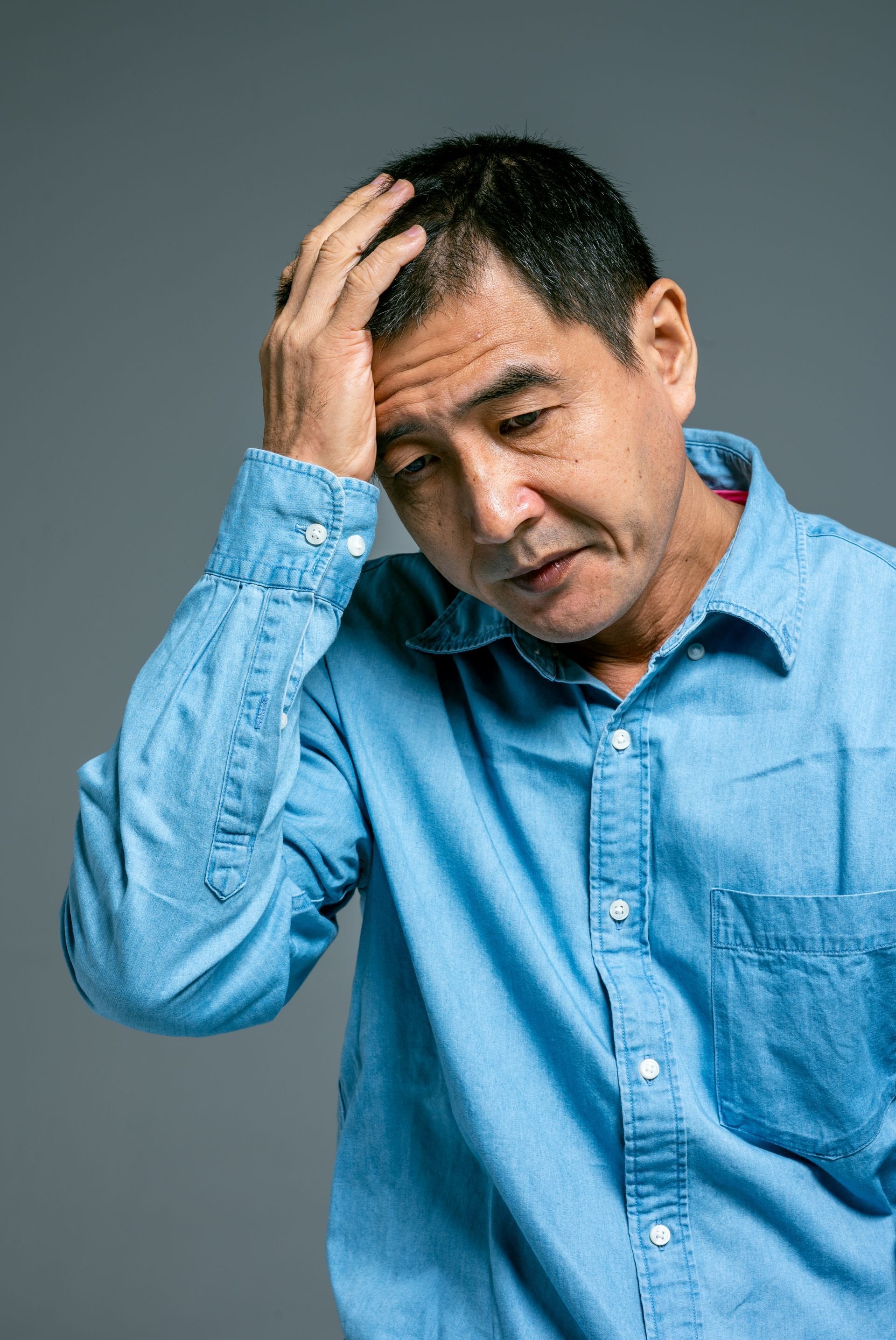
A migraine is a throbbing headache, usually felt on one side of the head, that can be accompanied by nausea, vomiting, and visual disturbances. Episodes can last a few hours or even several days, leaving you feeling drained for some time afterward.
Migraines can occur occasionally or frequently, depending on the individual. While some people manage their symptoms with home remedies, others may require prescription medication for relief, such as migraine medicine, or migraine relief tablets — while others simply search for migraine home remedies or general migraine relief.
What are the symptoms of a migraine?
Migraines are characterised by intense, pulsating pain on one side of the head that often worsens with movement. Some people experience the pain on both sides of the head or in the neck.
In about one-third of cases, migraines are preceded by aura. This can cause visual disturbances, such as seeing flashing lights or blind spots, and typically starts before the headache itself.
It’s also possible to experience a “silent migraine,” where aura symptoms occur without a headache.
Common symptoms
Migraine symptoms include:
-
Nausea and vomiting
-
Sensitivity to light, sound, and smells
-
Sweating
-
Feeling very hot or cold
-
Trouble concentrating
-
Abdominal pain or diarrhoea
Symptoms of migraine aura include:
-
Blurred vision or blind spots
-
Seeing flashing lights or patterns
-
Pins and needles in the hands, arms, or face
-
Dizziness or difficulty speaking
-
Fainting (rare)
Migraine triggers include
-
Hormonal changes (e.g., during menstruation or pregnancy)
-
Stress, anxiety, or depression
-
Tiredness or lack of sleep
-
Poor posture or tension in the neck and shoulders
-
Low blood sugar or dehydration
-
Certain foods, such as chocolate, citrus fruits, and aged cheeses
-
Alcohol, caffeine, or smoking
-
Bright lights, flickering screens, or loud noises
-
Climate changes
-
Medications, such as the combined contraceptive pill
-
Tracking your sleep, diet, exercise, and lifestyle can help you identify and avoid your specific triggers.
How are migraines diagnosed and treated?
If recurring headaches are interfering with your daily life, it’s important to speak to a healthcare professional. A doctor or Advanced Clinical Practitioner (ACP) may ask you to keep a migraine diary to track your symptoms and triggers.
Treatment options for migraines — your migraine treatment plan might involve migraine medication UK guidance or migraine prevention medication include:
- Resting in a dark, quiet room
- Over-the-counter painkillers such as ibuprofen or paracetamol
- Prescription medications for more severe or frequent migraines, including:
-
Triptans, which target migraine-specific pathways in the brain
-
Anti-sickness medication for nausea and vomiting
-
Preventive medication if migraines are frequent or debilitating
-
Your doctor may also refer you to a specialist for further evaluation if your symptoms are severe or if a clear diagnosis isn’t possible.
Frequently asked questions
Here are direct answers to some of the most frequently asked questions about migraines.
During a migraine with aura, most people experience a visual aura — seeing photopsia (flashes of light) or scintillation (shimmering, zigzag patterns) — though a sensory aura, like tingling or numbness, can also occur. Aura typically precede the headache and can aura-progress gradually over 20–60 minutes. This is thought to relate to cortical spreading depression, a wave of activity that can occur across the brain, and activate pain pathways as it goes. Migraines can be aura-accompanied or aura-free — both are equally recognised types.
Not all migraines come with the classic migraine headache. A vestibular migraine mainly causes dizziness, balance problems, or vertigo, sometimes without much head pain at all, while an ocular migraine mainly affects vision. Vestibular migraine treatment and ocular migraine treatment usually follow the same general approach as any other migrainous headache, ranging from mild to moderate to severe, and can be episodic (occasional) or chronic (frequent, 15+ days a month) — though a specialist can advise on the right acute and preventive plan for your specific pattern.
During a migraine, many people become photophobic (sensitive to light) and phonophobic (sensitive to sound) as the nervous system becomes more reactive to normal stimuli. This can develop within the first hour or so of an attack. Nausea is also common, and for some people this can occur, with symptoms ranging from mild queasiness to more vomit-severe episodes that need their own treatment alongside pain relief.
Related Topics
-
Anxiety: Symptoms, Causes, and How We Can Help
-
Stress: Causes, Symptoms, and How We Can Help
-
Sleep Advice: How to Get a Better Night's Rest