Sexual Health and You: Debunking Common Myths
Clear, judgement-free facts on STIs, contraception and testing — no myths, just the science.
When it comes to sexual health, accurate information is key to ensuring safe, positive, and enjoyable experiences. Unfortunately, myths and misconceptions can make navigating the topic confusing. That’s why we’ve created this guide to debunk some of the most common sexual health myths and help you make informed decisions.
Myth: I can’t have an STI if I have no symptoms
Reality: Many sexually transmitted infections (STIs), including chlamydia, often show no symptoms at all.
If you’re sexually active, regular STI testing at a sexual health clinic is essential—even if you feel fine. Left untreated, STIs can lead to serious complications, but most are easily treatable when caught early.
See a healthcare professional if you experience:
- Unusual discharge from the penis or vagina
- Vaginal bleeding after sex or between periods
- Painful urination
- Growths, sores, or blisters around the genitals or anus
- Itching or discomfort around the genitals
Myth: you can catch an STI from a toilet seat
Reality: STIs are passed on through unprotected vaginal, anal and oral sex and close genital contact, not through everyday contact with surfaces. The bacteria and viruses that cause STIs don’t survive long outside the body, so you can’t catch one from a toilet seat.
Myth: All contraception protects against STIs
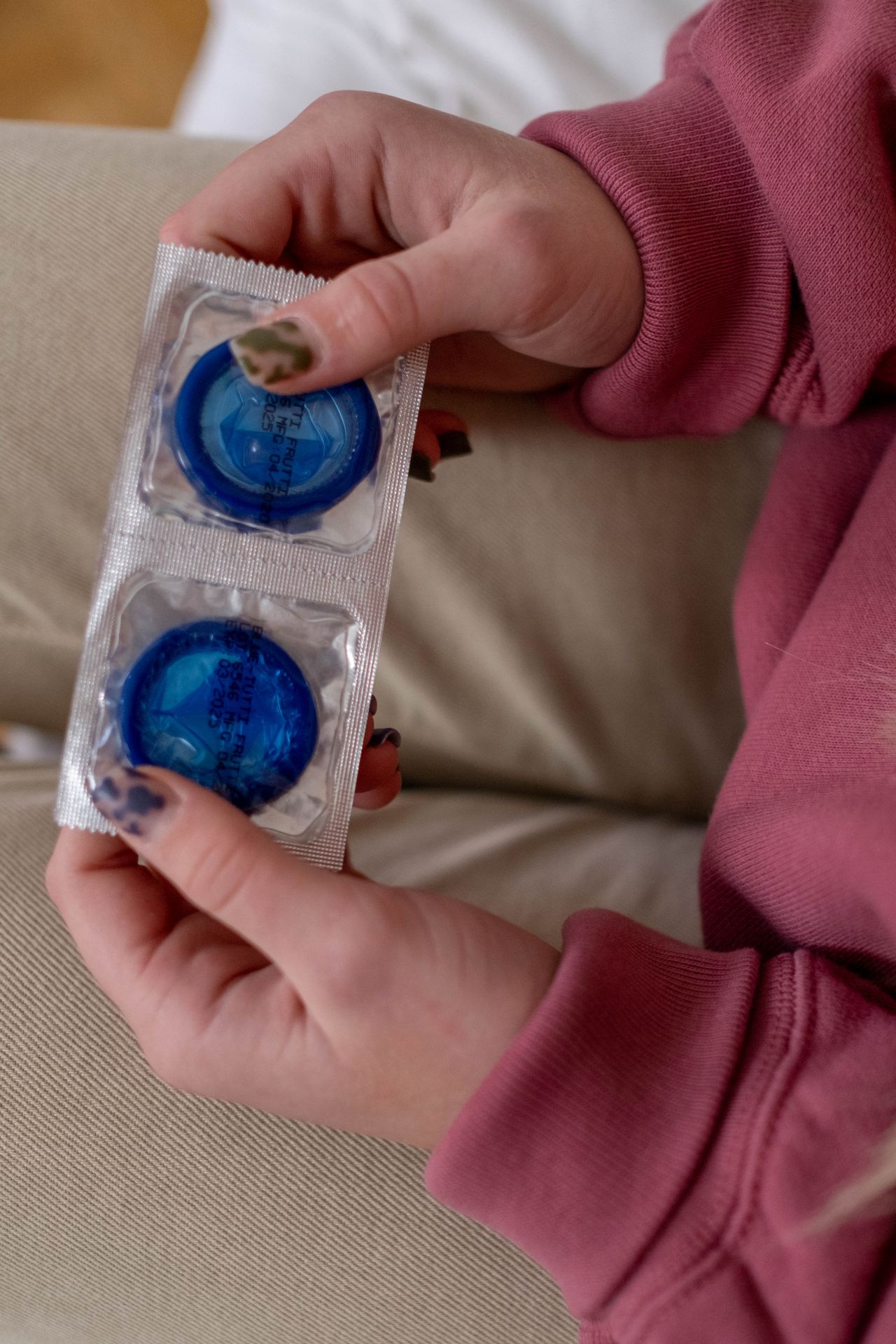
Reality: Condoms are the only form of contraception that can protect against both STIs and unplanned pregnancies.
While methods like the pill, implant, or IUD are highly effective at preventing pregnancy, they do not shield against STIs. For the best protection, combine condoms with another contraceptive method.
Need contraception advice? Speak to a doctor to explore options tailored to your needs.
Myth: the withdrawal (pull-out) method is a reliable form of contraception
Reality: Withdrawal may reduce the chance of pregnancy, but it isn’t reliable — pre-ejaculate can contain sperm, so pregnancy is still possible even when it’s done correctly every time. It also offers no protection against STIs. See the NHS guide to contraception for methods that reliably prevent pregnancy, or explore your options with our contraception and family planning service — combining a reliable method with condoms is the only way to also protect against STIs.
Myth: using two condoms gives you double the protection
Reality: Wearing two condoms together, or an internal and external condom at the same time, increases friction between them and makes splitting more likely. The NHS advises against this — a single condom, put on correctly, is the safest option.
Myth: You can’t get an STI without penetrative sex
Reality: STIs can spread through skin-to-skin contact and bodily fluids, meaning oral sex and intimate skin contact can still transmit infections.
The safest way to reduce your risk is by using condoms or other forms of protection and ensuring a new condom is used for each sexual encounter.
What counts as ‘sex’ for STI risk? It isn’t just penetrative vaginal or anal sex — oral sex and other close genital-to-genital or genital-to-mouth contact (sometimes called dry humping) can also pass on infections, even without penetration. If genitals are involved, it’s worth thinking about protection.
Myth: It’s normal to feel discomfort during sex
Reality: While some people experience pain during sex, it’s not something you should ignore or consider normal.
Common causes of discomfort include:
- Vaginismus: Involuntary tightening of vaginal muscles due to fear or anxiety about penetration. This condition is treatable, so it’s important to seek help.
- Menopause: Declining oestrogen levels can cause vaginal dryness, itching, and discomfort, leading to painful sex. Treatments are available to alleviate these symptoms.
If sex is painful: Stop sexual activity and consult a healthcare professional for advice and treatment options.
Myth: It’s embarrassing for men to have sexual problems
Reality: Male sexual health issues are far more common than you might think.
It’s estimated that 1 in 10 men experiences a sexual health issue, such as erectile dysfunction or premature ejaculation, at some point in their lives. These issues can have physical or psychological causes and are nothing to feel embarrassed about.
A healthcare professional can provide support and recommend effective treatments to help.
Myth: only gay men get HIV, and HIV is a death sentence
Reality: Anyone can get HIV, regardless of sexuality or gender. With effective treatment, most people with HIV live a long, healthy life, and someone on effective treatment with an undetectable viral load cannot pass HIV on to a partner. Our HIV page has more on testing and treatment.
Myth: STIs cannot be treated, so there is no point getting tested
Reality: Many STIs, including chlamydia, gonorrhoea and syphilis, are curable with antibiotics. Those that aren’t curable, such as HIV and herpes, are manageable with treatment. Testing early — even without symptoms — means any STI is caught and treated before it causes complications.
What should I do if I have a sexual health concern?
If you’re worried about your sexual health, don’t wait—speak to a healthcare professional.
Doctor Care Anywhere offers appointments with GPs and Advanced Clinical Practitioners (ACPs) who can provide advice, diagnosis, and treatment.
We can help with:
- Contraception and family planning
- Certain STI treatments
- Thrush and other infections
- Uncomplicated urinary tract infections
Find out more about our contraception and family planning service, get help with thrush, or speak to a clinician about STI testing and treatment.
Take control of your sexual health
Looking after your sexual health is essential for your overall wellbeing. Regular checks, open conversations, and using protection can help you stay safe and confident.
If you have any concerns or need advice, book an appointment with Doctor Care Anywhere today. Our expert clinicians are here to support you every step of the way.
Frequently asked questions
Common questions about sexual health, answered by our GPs.
Yes. Infections including chlamydia, gonorrhoea, herpes and syphilis can be passed on through oral sex, so using condoms or dental dams reduces the risk. See the NHS guidance on STIs for more.
HPV (human papillomavirus) is extremely common — most sexually active people will get some type of it during their life. It usually causes no symptoms and often clears on its own within two years. Our genital warts and HPV page has more detail.
Emergency contraception works within 3 to 5 days of unprotected sex depending on the method — the sooner, the better. An emergency IUD fitted within 5 days is the most effective option.
Yes. You can get pregnant any time you have unprotected sex, including the first time, so contraception matters from the start.