Sports Injuries: Symptoms, Treatment and Recovery
If you enjoy staying active through regular exercise or team sports, you might have experienced a sports-related injury at some point. While most sports injuries are minor, affecting the soft tissues like ligaments, tendons, or muscles, more severe cases can involve broken bones or head injuries that require immediate medical attention.
The good news is that sports injuries aren’t inevitable. With proper technique and training, you can significantly lower your risk. Read on to learn how to prevent and manage sports injuries effectively.

What are the symptoms of sports injuries?
The symptoms of sports injuries vary depending on the type and severity of the injury. Common signs include:
- Pain and tenderness in the affected area
- Swelling and bruising
- Difficulty moving the injured muscle, tendon, or joint
Other symptoms include:
- Tendonitis - Pain and swelling around a tendon, often in the Achilles heel, shoulder, or elbow
- Cuts, chafing, and grazes - Wounds on the skin from friction or impact
- Stiffness and cracking sensations - Especially in cases of tendon inflammation
Severe injuries
For severe injuries such as fractures, dislocations, or head injuries, you might experience:
- Extreme pain and swelling
- Deformity in the injured joint or limb
If you’ve suffered a head injury, look out for symptoms of a serious concussion, including:
- Loss of consciousness
- Slurred speech or confusion
- Blurred vision or vomiting
- Seizures or extreme drowsiness
Seek immediate medical attention if you experience any of the above symptoms, especially after a head injury.
What causes sports injuries?
Sports injuries can result from a variety of factors, including:
- Inadequate warm-ups before exercise
- Poor technique or using improper equipment
- Overexertion or pushing your body beyond its limits
- Accidents or falls during activity
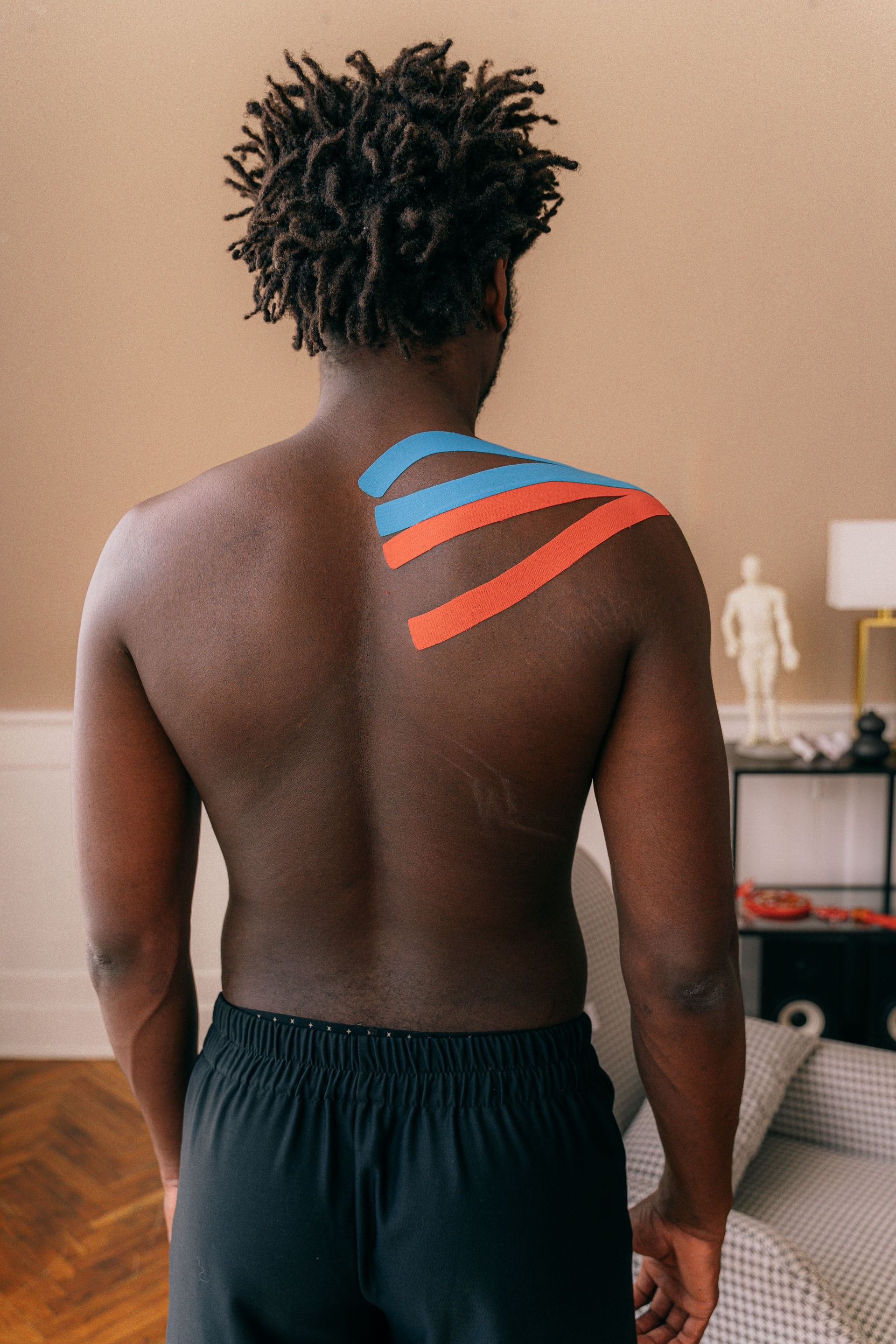
Certain sports are also more likely to cause specific injuries:
Sport |
Common injuries |
|---|---|
|
Running |
Shin splints, hamstring strains, and stress fractures |
|
Tennis |
Tennis elbow and shoulder injuries |
|
Contact sports like rugby |
Broken bones, dislocations, and severe head injuries |
How are sports injuries treated?
Over-the-counter painkillers such as ibuprofen or paracetamol can help manage discomfort. If you’re likely to need ongoing treatment, it’s also worth checking whether your sports injury insurance covers physiotherapy or specialist consultations.
For more serious injuries, such as fractures or dislocations, you may need hospital treatment. In rare cases, surgery is required. Recovery from severe injuries often involves physiotherapy to rebuild strength and mobility. Many people also choose to see a private sports injury clinic for faster access to physiotherapy or specialist assessment, particularly if they play sport regularly.
Minor sports injuries such as sprains and strains can usually be treated at home using the PRICE method:
Step |
What to do |
|---|---|
|
Protect |
Use a support or brace to protect the injury. |
|
Rest |
Avoid putting strain on the affected area. |
|
Ice |
Apply ice packs to reduce swelling (wrap the ice in a towel to avoid skin damage). |
|
Compress |
Use an elastic bandage to support the injury. |
|
Elevate |
Keep the injured body part raised above your heart. |
How can I avoid sports injuries?
Regularly incorporating stretching into your routine can improve flexibility and reduce the likelihood of injury. You can significantly reduce your risk of sports injuries by taking the following precautions:
-
Warm up properly before exercising to prepare your muscles and joints.
-
Use the correct technique and wear appropriate equipment (e.g., running shoes, shin guards).
-
Avoid overexerting yourself by gradually increasing the intensity of your activity.
-
Stay hydrated and take regular breaks to avoid fatigue.
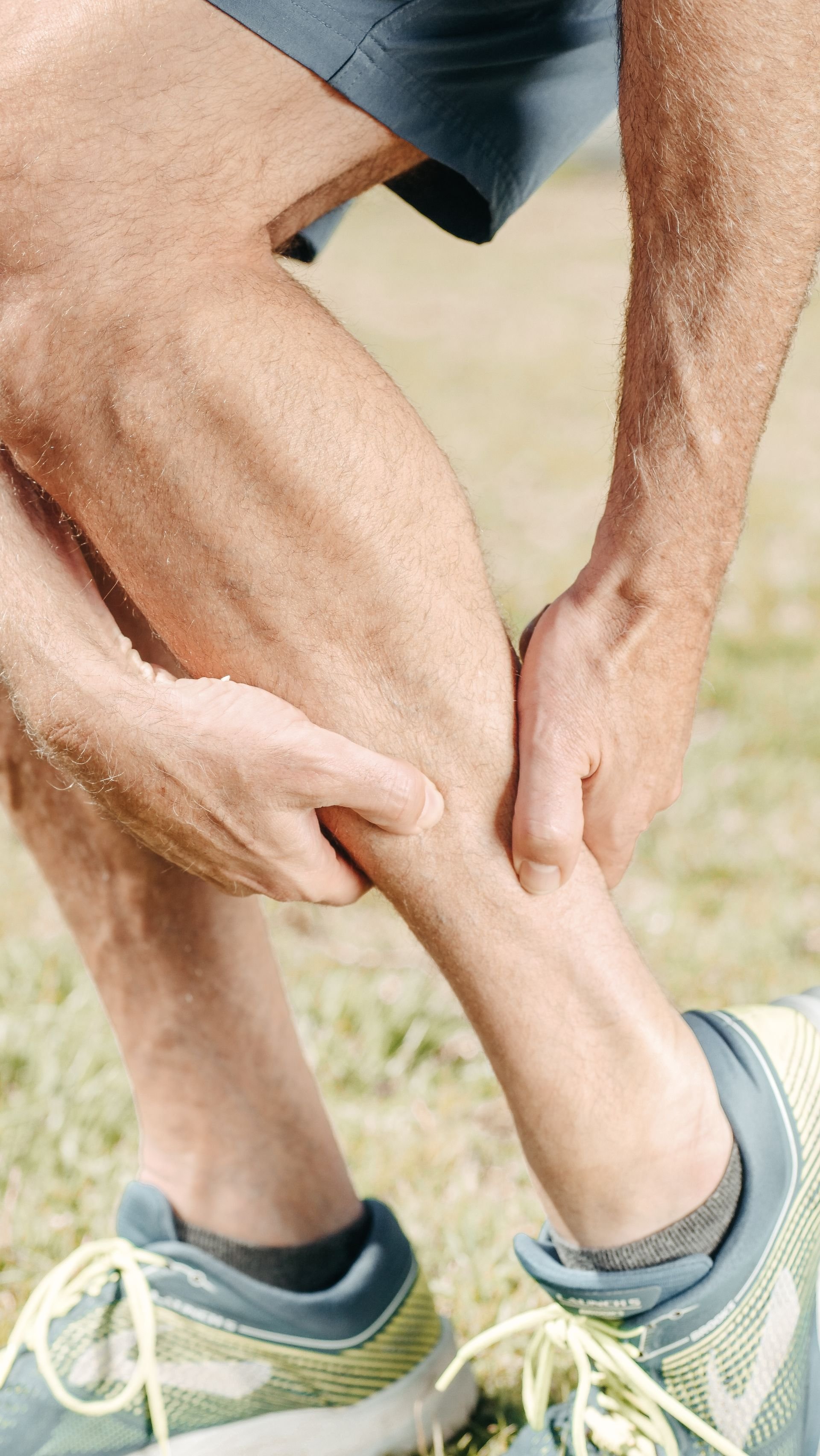
Frequently asked questions
Here are direct answers to some of the most frequently asked questions about sports injuries.
Not every sports injury falls into the same category. An acute injury happens suddenly — from a fall, a twist, or a collision — and is usually traumatic in onset, like a sprained ankle during a match. An overuse injury develops more gradually, when you overuse, overstrain, or overload a muscle, tendon, or joint through repeated athletic activity without enough recovery time; these overuse-related injuries can become chronic if ignored, whereas acute injuries tend to resolve faster with the right early care.
Any musculoskeletal injury affects your bones, joints, muscles, tendons, or ligaments. A sprain overstretches a ligament, while a strain affects a muscle or tendon; if a joint’s bones move out of place completely, it can dislocate, and a partial shift is called a subluxate — the resulting condition is known as subluxation. All of these can traumatise the surrounding tissue to some degree, and doctors will assess both the bone-related and joint-related structures involved, watching for any post-traumatic swelling or instability afterwards.
When small blood vessels break under the skin, you bruise — this is sometimes called a muscle contusion if it happens within the muscle tissue itself, where the area can contuse and swell. If enough blood pools in one place, you might develop a haematoma, a firmer, more localised swelling than an ordinary bruise. Cuts and grazes are different again: if the skin tears open, you lacerate it, causing lacerations, while a graze happens when you abrade the surface of the skin through friction, such as sliding on a pitch.
Depending on the injury, a doctor might immobilise the affected area with a splint, cast, or brace to protect it while it heals, before you start to rehabilitate through exercises that rebuild strength and movement. A physiotherapist will often deliver a tailored programme, and for anyone returning to sport, a clinician can return-to-play-assess whether it’s safe to resume training. This is especially important for concussion-related injuries, compartment-syndrome-related swelling, or stress-fracture-related pain, where rushing back too soon can worsen an underlying inflammatory process.
Related Topics
-
Back Pain: Causes, Treatment, and Prevention
-

Sleep Advice: How to Get a Better Night's Rest
-

Lifestyle advice: Your guide to a healthy lifestyle