A virtual GP can securely assess sexual health symptoms, prescribe medication like contraception or antibiotics. However, an online doctor cannot perform physical examinations, fit coils, or administer vaccinations. For severe symptoms like acute testicular pain or unexplained lumps, you will need to see a clinician in person.
Discussing sexual health can feel daunting. Many people put off seeking advice due to embarrassment, privacy concerns, or the difficulty of securing a timely appointment. Virtual GP consultations offer a modern, discreet and highly convenient solution. Our online GPs conduct hundreds of confidential conversations about sexual health, offering expert guidance from the privacy of your own home.
What is a virtual sexual health consultation?
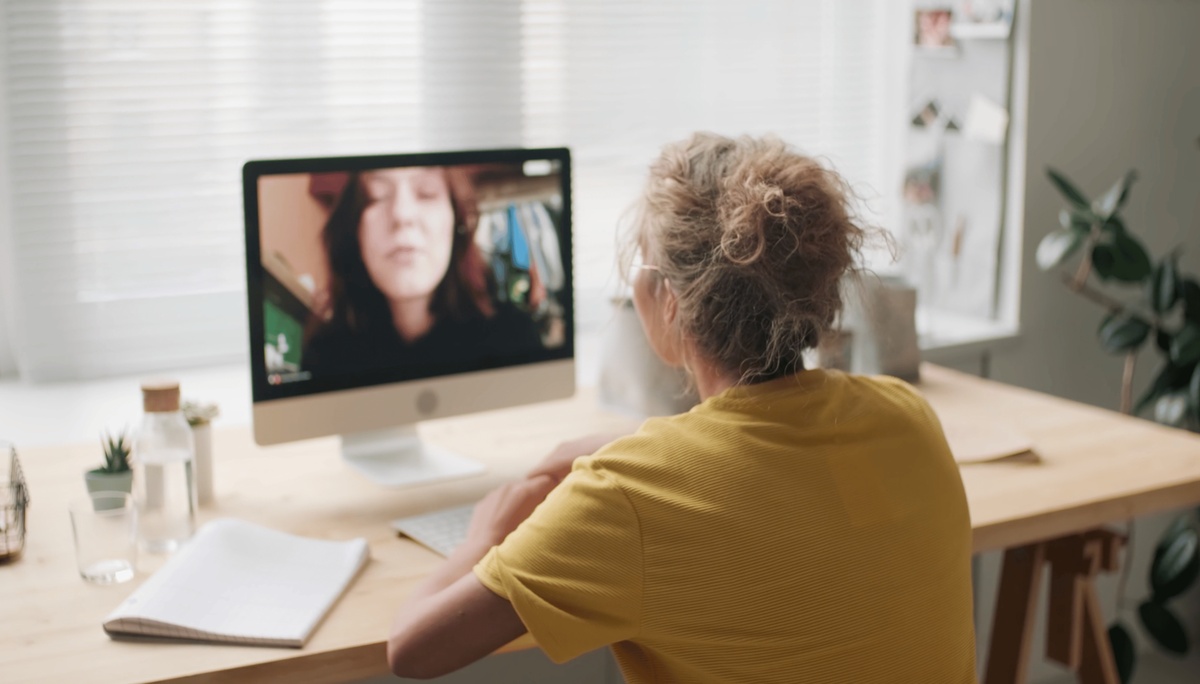
A virtual sexual health consultation is a confidential medical appointment with a qualified GP about your sexual health concerns, conducted entirely remotely using a smartphone, tablet or computer. This remote format allows you to discuss symptoms, receive medical advice, and obtain prescriptions or testing kits through a secure video or phone call.
A confidential medical appointment, from anywhere
It follows the exact same principles of medical confidentiality and patient care as a traditional face-to-face visit. NHS 111 Wales notes that good sexual health requires a positive and respectful approach, and an online setting often helps people feel more at ease discussing intimate details. You gain the benefit of discussing sensitive topics from a secure, private space of your choosing, without the stress of travel or sitting in a crowded waiting room.
How it's different from a face-to-face visit
The primary difference is the absence of a physical examination. During a virtual consultation, the GP relies on a detailed discussion of your symptoms, a review of your medical and sexual history. GOV.UK highlights that an online consultation provides a thorough medical self-assessment framework. This format is ideal for routine screening, prescriptions and early advice, though it has limits if a physical check is medically necessary.
What sexual health issues can a virtual GP help with?
A virtual GP can help with a wide range of sexual health issues by assessing symptoms,, prescribing contraception, and treating common infections like thrush.
STI symptoms, screening and advice
Our online GPs can discuss your symptoms and sexual history to assess your risk for sexually transmitted infections (STIs). Contraception advice and prescriptions
Virtual consultations are an excellent way to start or continue hormonal contraception that does not require a physical procedure. Clinicians can discuss the benefits and risks of the combined pill, the progestogen-only pill (mini-pill), the contraceptive patch, and the vaginal ring. We can review any side effects you might be experiencing and issue an electronic prescription directly to your local pharmacy. NICE recommends that contraceptive services should also assess STI risk, which a GP can cover in the same call.
Common infections like thrush, BV
Many common genital and urinary issues do not strictly require a physical exam for diagnosis. A GP can often recognise conditions like thrush, bacterial vaginosis (BV) based entirely on a detailed description of your symptoms. If a diagnosis is clear, they can prescribe the appropriate treatment, such as antifungal medication or a course of antibiotics.
Erectile dysfunction and premature ejaculation
Conditions like erectile dysfunction and premature ejaculation are almost always diagnosed through a careful conversation about your symptoms, medical history, and lifestyle factors. An online appointment provides a highly discreet environment to get a professional diagnosis and, if clinically appropriate, a prescription for treatment.
The limits of the screen: what a virtual GP cannot do
A virtual GP cannot perform physical examinations, take physical samples like swabs or blood tests, administer vaccinations, or fit and remove long-acting contraception devices such as the coil.
Perform a physical examination
Because you are separated by a screen, an online GP cannot physically assess you. This means they cannot palpate the testicles or pelvic area for lumps or swelling, nor can they closely inspect a complex genital sore or rash with medical instruments. Furthermore, procedures like a cervical screening (smear test) simply cannot be done remotely and will always require an in-person visit.
Take physical samples in person
If you require a clinician to take a genital swab, a throat swab, or draw blood from a vein during the appointment, an online service cannot facilitate this. Guidelines from GOV.UK note that patients with complex symptoms may need to be triaged to physical services rather than relying on self-sampling methods.
Administer treatments or vaccinations
Any treatment that requires a needle cannot be administered virtually. If you need a specific antibiotic injection for an infection like syphilis, or you wish to receive the contraceptive injection, this must be carried out by a healthcare professional in person. The same applies to preventative measures like the HPV vaccination.
Fit or remove long-acting contraception
A virtual GP is happy to discuss the pros and cons of long-acting reversible contraception (LARC), such as the intrauterine device (IUD, or coil) and the contraceptive implant. However, they cannot fit or remove these devices. You will need to visit a physical clinic or GP surgery for these minor procedures.
Virtual GP vs sexual health clinic: which is right for you?
Deciding whether a virtual GP or a sexual health clinic is right for you depends entirely on the nature of your symptoms and the type of care you need. NHS guidance confirms that free, confidential advice is available across both GP services and physical clinics.
When to choose a virtual GP
An online appointment is best when convenience, speed, and privacy from home are your top priorities. It is the ideal route if you, if you want to renew a contraceptive pill prescription, or if you are seeking initial advice for a new concern. It is also highly effective for discussing sensitive topics like erectile dysfunction When to go to a sexual health clinic
You should opt for a physical clinic if a hands-on assessment or on-site testing is essential. NHS advice states that these clinics specialise in STI testing and treatment. Choose this route if you have visible symptoms like unexplained lumps, open sores, or an undiagnosed rash. It is also the correct path if you require an IUD fitting, or need specialist procedures that demand physical attendance.
Comparing your sexual health service options
|
Feature |
Virtual GP Consultation |
In-Person Sexual Health Clinic |
At-Home Test Kit (Standalone) |
|---|---|---|---|
|
Convenience |
High. Take the call from home. |
Lower. Requires travel and waiting. |
High. Order and post from home. |
|
Speed of access |
Fast. Often same-day appointments. |
Variable. Walk-in waits or booked slots. |
Moderate. Depends on postal times. |
|
Privacy |
Complete privacy in your own space. |
Variable. Public waiting rooms involved. |
Complete privacy for testing. |
|
Services offered |
Consultations, prescriptions, test arrangement. |
Full physical exams, procedures, on-site testing. |
Testing only. No clinical assessment. |
|
Best for... |
Advice, prescriptions, routine screening. |
Visible lumps, physical procedures. |
Knowing your status without active symptoms. |
How your virtual sexual health appointment works: a step-by-step guide
Your virtual sexual health appointment works through a straightforward and secure process involving booking online, preparing for your call, speaking with a doctor, and receiving next steps. GOV.UK reports that online navigation is increasingly important for engaging with wider sexual healthcare.
Step 1: Booking your confidential appointment
You begin by booking a time that suits you through our app or website. You will be asked a few brief questions about the reason for your appointment. Rest assured, this information is strictly confidential and is only used to prepare the doctor for your call.
Step 2: Preparing for your consultation
Find a quiet, private room with a stable internet connection where you will not be disturbed. It is helpful to write down your symptoms, any questions you want to ask, and the dates of your last period or recent sexual contact. If you have visible, non-intimate symptoms that you feel comfortable sharing, make sure you upload these prior to the appointment.
Step 3: Speaking with the doctor
The GP will connect with you via video or phone. They will ask about your symptoms, your general medical background, and your sexual history in a calm, non-judgemental way. This consultation is a safe space for you to be entirely open and honest, ensuring you get the most accurate medical advice.
Step 4: Next steps for prescriptions and follow-up
Following the assessment, the doctor will agree on a plan with you. This might involve an electronic prescription sent securely to a local pharmacy for you to collect. Should your symptoms require a physical examination, the GP will guide you on how to access local in-person care.Red flag symptoms: when you must see a doctor in person
You must see a doctor in person if you experience red flag symptoms such as severe abdominal or testicular pain, unexplained lumps, or symptoms accompanied by a high fever. The NHS highlights that physical clinics are equipped to handle urgent sexual health assessments.
When to get urgent help
-
Call 999 or go to A&E if: You experience severe, sudden pain in your lower tummy or testicles, or if you have symptoms alongside a high fever, vomiting, or feeling faint.
-
Call NHS 111 if: You need medical advice today for new or worsening genital pain, but it does not feel like a life-threatening emergency.
-
See a GP urgently if: You notice any new, unexplained lumps or growths on or around your genitals, which require a prompt physical assessment.
You must seek physical medical care if you experience:
- Severe pain in your lower abdomen, which could be a sign of Pelvic Inflammatory Disease (PID).
- Pain or swelling in the testicles.
- Any new or unexplained lumps, growths, or sores on or around your genitals, anus, or mouth.
- Any symptoms that are severe, getting rapidly worse, or accompanied by a fever.
Getting help for your sexual health concerns
Getting help for your sexual health concerns involves choosing a virtual GP for discreet advice and prescriptions, or visiting an in-person clinic for physical examinations. Virtual GPs offer a highly convenient, private way to manage many aspects of your sexual health, from renewing contraception to organising discreet STI screening. However, it is vital to remember their main limitation: virtual GPs cannot perform physical examinations. If you develop "red flag" symptoms like acute pain or unexplained physical lumps, you must seek in-person medical care promptly.
Do not delay getting professional advice if you are worried. Early diagnosis and appropriate treatment are crucial for maintaining good sexual health. If you have a concern you would like to discuss today, you can book a confidential appointment with one of our experienced online GPs.
Frequently asked questions
A virtual GP consultation for sexual health is entirely confidential. It is protected by the exact same patient and doctor confidentiality rules as a traditional, in-person visit at a local surgery. Your medical information and the details of your appointment remain secure and private at all times.
A virtual GP can prescribe the morning after pill. During your consultation, the doctor will assess your situation over a phone or video call and, if it is clinically appropriate, issue an immediate electronic prescription for emergency contraception. You can then collect this medication directly from a local pharmacy.
A home STI test kit is not the same as seeing a virtual GP. A standalone home test kit only provides a laboratory result indicating whether an infection is present. A virtual GP consultation provides a comprehensive medical assessment, professional interpretation of your results, a personalised treatment plan, and a prescription if required.
A virtual GP can prescribe treatment for erectile dysfunction if it is clinically appropriate. The doctor will conduct a careful conversation about your symptoms, medical history, and lifestyle factors. This secure online environment provides a highly discreet way to get a professional diagnosis and a prescription sent to your pharmacy.
You should start taking preventative gout medication, such as allopurinol, when a doctor recommends it, which is generally after you have experienced two or more gout attacks within a 12-month period. Preventative treatment is also commonly started if you have complications like visible tophi or evidence of permanent joint damage.
Related Topics
-
Low Libido (Men and Women): Causes and What Helps
-

Thrush: Symptoms, Treatment and When To See a GP