What Are Cold Sores? Causes, Symptoms, and Treatment Explained
What are cold sores?
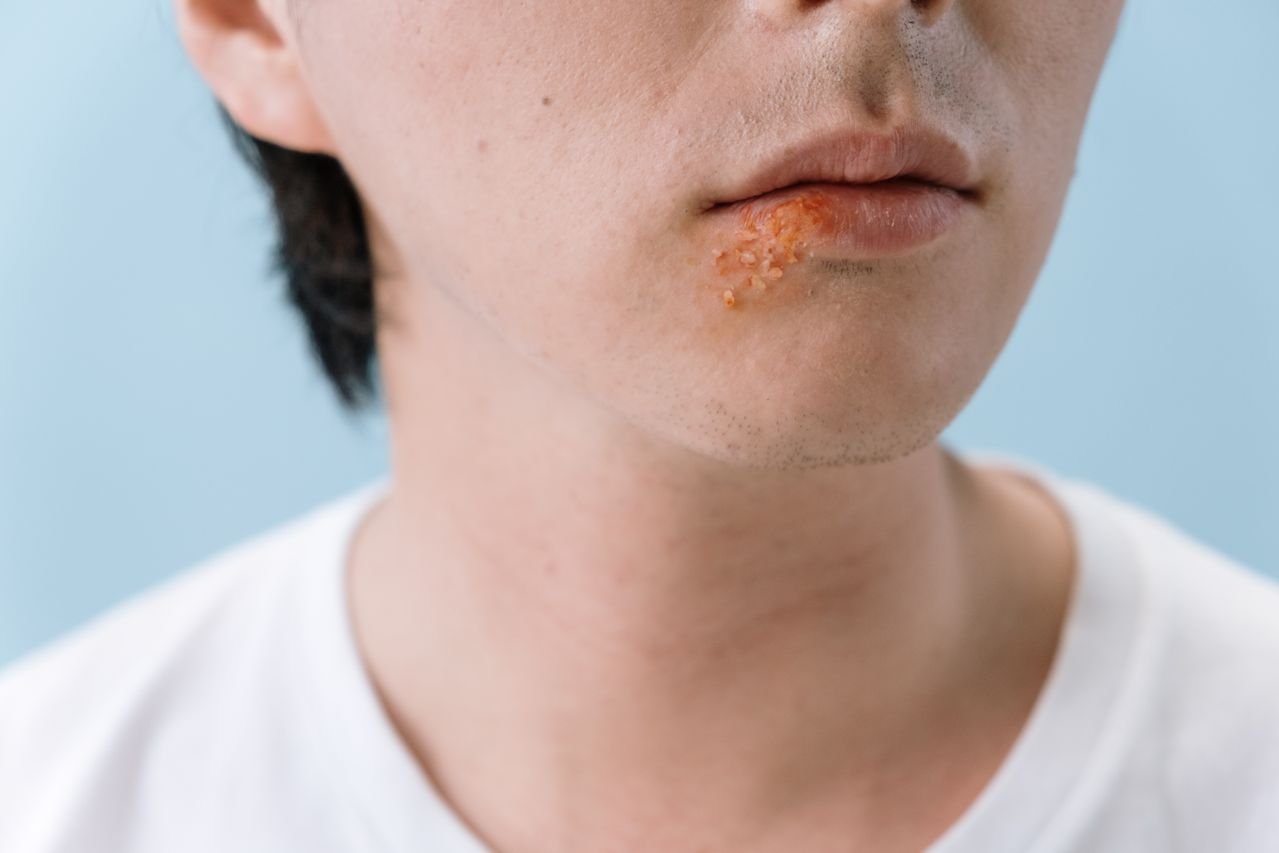
Cold sores are small blisters or clusters of blisters that commonly appear on or around the lips and mouth. They are caused by the herpes simplex virus and typically clear up on their own within 7 to 10 days.
The first sign of a cold sore is often a tingling, itching, or burning sensation around the affected area. While cold sores usually don't require medical attention, there are treatments available to ease discomfort and speed up healing.
Why do cold sores keep coming back?
Once you've been infected with herpes simplex virus, the virus stays dormant in your body and can reactivate from time to time, causing repeat outbreaks in the same area. This is why cold sores tend to recur throughout life rather than being a one-off illness, and why avoiding known triggers can help reduce how often they flare up.
What can trigger a cold sore?
Certain factors can trigger cold sores, including:
Stress or fatigue
Illness or a weakened immune system
Hormonal changes (e.g. menstruation)
Exposure to strong sunlight or cold weather
How are cold sores treated?
Most people can self-diagnose and manage cold sores at home without medical advice. Typical symptoms include a tingling sensation followed by the appearance of one or more blisters, which eventually burst and form scabs.
Over-the-counter treatments:
-
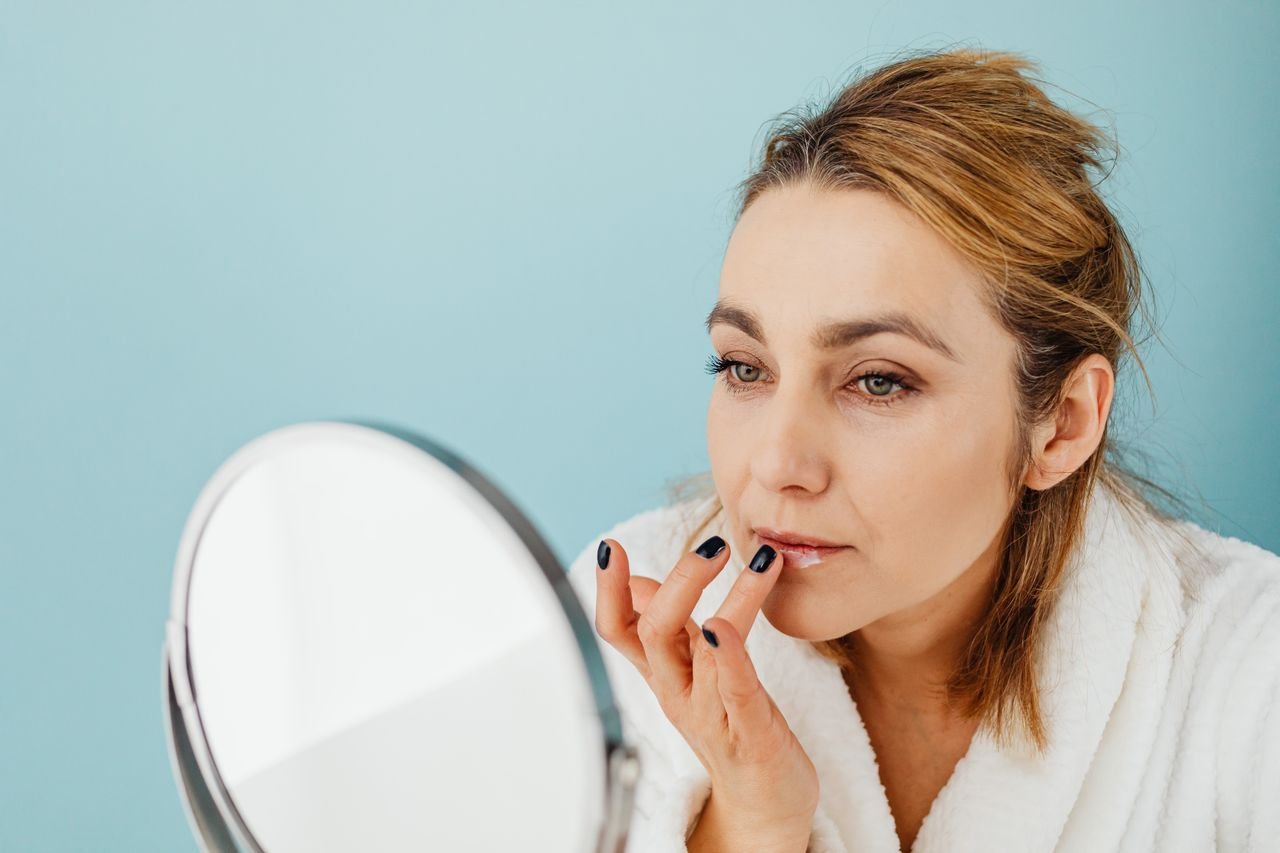
Antiviral creams or gels (e.g. aciclovir): help combat the virus and promote healing, especially if used at the first sign of tingling or itching
-
Cold sore patches: transparent patches that protect the blisters, reduce irritation, and ease discomfort
-
Anaesthetic creams: provide relief from pain and itching after blisters develop
How can I prevent cold sores?
Preventing cold sores involves minimising exposure to the herpes simplex virus and reducing triggers that can cause outbreaks.
To avoid getting cold sores:
- Avoid kissing or close contact with someone who has an active cold sore
- Steer clear of sexual activity with someone experiencing a genital herpes outbreak
To prevent spreading cold sores:
-
Wash your hands after touching the affected area, especially after applying creams
-
Don't share items that touch your mouth, such as lip balm, cutlery, or towels
-
Cold sores are most contagious from the tingling stage until the blister has fully scabbed over, so it's best to take extra care avoiding close contact during this time
When should I see a clinician?
Most cold sores heal without medical intervention, but you should speak to a clinician if:
- Your cold sore lasts longer than 10 days or isn't healing.
- The cold sore is unusually large or painful.
- You are pregnant or have a weakened immune system.
- You experience swollen gums or painful sores inside your mouth.
For people who experience frequent or severe outbreaks, antiviral medication may be prescribed to suppress the virus and reduce flare-ups.
Frequently asked questions
Both are caused by the herpes simplex virus, but usually different strains — cold sores are typically HSV-1 and genital herpes is typically HSV-2, though either strain can appear in either location. They're managed similarly but are generally considered separately due to the area affected.
Cold sores are most contagious from the first tingling sensation until the blister has fully scabbed over, which is usually within 7 to 10 days.
No — once you have HSV-1, the virus remains dormant in your body permanently. Treatment can ease symptoms and speed healing, and avoiding triggers can reduce how often outbreaks happen, but the virus itself can't currently be cured.
Yes, stress and fatigue are common triggers that can cause the dormant virus to reactivate and cause a new outbreak.
No — popping or picking at a cold sore can delay healing, increase the risk of scarring, and spread the virus to other areas or people. It's best to let it heal naturally with appropriate treatment.
Related Topics
-
Acne: Causes, Types & Treatment
-
What Is Eczema? Symptoms, Causes, and Treatments Explained
-
What Is a Fungal Skin Infection? Symptoms, Causes, and Treatments