Hair Loss: Causes, Diagnosis, and Treatments 

The basics of hair loss and growth

Hair loss, medically known as alopecia, is a condition where the natural cycle of hair growth is disrupted or hair follicles are permanently damaged. Normal hair growth follows a continuous cycle of growth, transition, and resting phases. When this cycle is interrupted by genetic, hormonal, or medical factors, it results in noticeable shedding or thinning.

The normal hair growth cycle

To understand hair loss, it helps to understand how your hair grows. You can think of it much like a garden going through seasons.

First is the anagen phase, which is the active growing period. Hair typically stays in this phase for several years. Next is the catagen phase, a brief transition period where the hair stops growing and detaches from the blood supply. Finally, the hair enters the telogen phase. This is the resting period where the old hair remains in the follicle while a new hair begins to grow beneath it. Eventually, the old hair falls out, and the cycle begins again.
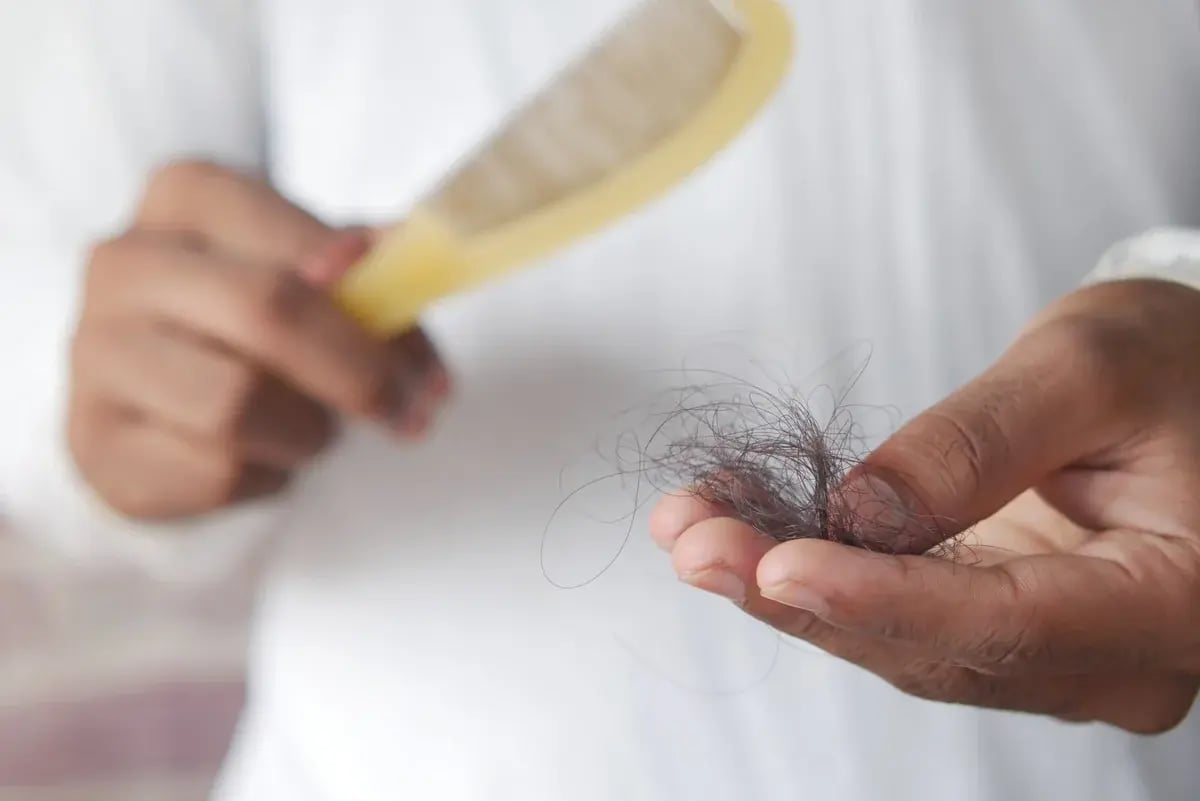
hair-loss-strands-in-hand-comb

The basics of hair loss and growth

Hair loss, medically known as alopecia, is a condition where the natural cycle of hair growth is disrupted or hair follicles are permanently damaged. Normal hair growth follows a continuous cycle of growth, transition, and resting phases. When this cycle is interrupted by genetic, hormonal, or medical factors, it results in noticeable shedding or thinning.

The normal hair growth cycle

To understand hair loss, it helps to understand how your hair grows. You can think of it much like a garden going through seasons.

First is the anagen phase, which is the active growing period. Hair typically stays in this phase for several years. Next is the catagen phase, a brief transition period where the hair stops growing and detaches from the blood supply. Finally, the hair enters the telogen phase. This is the resting period where the old hair remains in the follicle while a new hair begins to grow beneath it. Eventually, the old hair falls out, and the cycle begins again.

Normal daily hair loss

It is entirely normal to shed between 50 and 100 hairs a day, according to the NHS. These are simply hairs that have reached the end of their telogen resting phase. This daily shedding does not usually cause any noticeable loss of volume because new hairs are growing in at the same time to replace them.

Hair shedding vs hair thinning

Understanding the difference between shedding and thinning helps point towards the underlying cause. Hair shedding, medically termed telogen effluvium, is a temporary condition where an unusually large number of hairs enter the resting phase and fall out at the same time. This often follows a specific trigger, like severe stress or illness.

Hair thinning, or androgenetic alopecia, is a gradual process. Over many years, the hair follicles shrink, producing hairs that are progressively finer, shorter, and less visible, leading to a visible reduction in hair density over time.

Common types of hair loss

The most common types of hair loss include androgenetic alopecia (pattern baldness), alopecia areata, telogen effluvium, and traction alopecia. The specific type you have dictates the pattern of your hair loss and the most effective treatment options available to you.

Androgenetic alopecia (pattern hair loss)

This is the most common form of hair loss worldwide. It is driven by a combination of genetics and hormones, specifically a byproduct of testosterone called dihydrotestosterone (DHT). DHT causes the hair follicles to gradually shrink over time.

In men, this typically follows the Norwood scale pattern. It begins with a receding hairline at the temples and thinning at the crown, which can eventually meet to leave a horseshoe shape of hair around the back and sides of the head.

In women, the pattern is different. Clinicians refer to the Ludwig scale, which describes a diffuse thinning over the top of the scalp and a widening of the central parting. The front hairline usually remains intact.

Alopecia areata

Alopecia areata is an autoimmune condition. The body mistakenly identifies its own hair follicles as a threat and attacks them. The most characteristic symptom is the sudden appearance of smooth, coin-sized patches of hair loss on the scalp, beard, or eyebrows. The skin usually looks entirely normal otherwise, with no redness or scaling. In many cases, the hair will regrow without treatment, though the Cochrane library notes that relapse is common.

Telogen effluvium

This is a form of diffuse hair shedding caused by a significant shock to the system. The shock forces a large number of growing hairs prematurely into the resting phase. Common triggers include severe emotional stress, major surgery, significant weight loss, childbirth, or a serious illness. The shedding typically becomes noticeable two to three months after the triggering event. It is usually temporary, and normal growth resumes once the underlying stressor has passed.

Traction alopecia and scarring alopecias

Traction alopecia is caused by constant, persistent pulling on the hair roots. It is frequently seen in people who wear tight hairstyles, such as tight braids, extensions, or tight ponytails over a long period.

Scarring alopecias, such as frontal fibrosing alopecia, are rarer conditions. These involve inflammation that permanently destroys the hair follicle, replacing it with scar tissue. This leads to permanent hair loss and requires specialist diagnosis and management by a dermatologist.

Causes and triggers of hair loss

The key causes and triggers of hair loss include genetic predispositions, hormonal imbalances, underlying medical conditions, nutritional deficiencies, and certain medications. Identifying your specific triggers is the first step towards treatment.

Genetics and hormones

Your genes play a dominant role in determining whether you will experience pattern baldness. If you have a family history of thinning hair, you are more likely to develop it yourself. Hormones also have a profound impact. In men, high sensitivity to the hormone DHT shrinks hair follicles. In women, significant hormonal shifts during pregnancy, childbirth, and the menopause frequently trigger noticeable hair shedding or thinning.

Medical conditions

Several systemic medical conditions can disrupt hair growth. According to the NHS, thyroid disorders are a major cause. Both an overactive thyroid (hyperthyroidism) and an underactive thyroid (hypothyroidism) can cause diffuse hair loss. Polycystic ovary syndrome (PCOS) is another common trigger, as it causes a hormonal imbalance that can lead to female pattern hair loss. Autoimmune diseases, such as lupus, can also result in thinning hair or distinct bald patches.

Nutritional deficiencies

Your hair needs a constant supply of nutrients to grow. Deficiencies in certain vitamins and minerals can force hair follicles into the resting phase to conserve energy.

The three most important nutrients for hair health are iron, vitamin D, and zinc.

  • Iron: Low iron levels reduce the production of haemoglobin, restricting the oxygen supply to your hair follicles. Good food sources include red meat, lentils, beans, and dark leafy greens like spinach.
  • Vitamin D: This vitamin is thought to play a role in creating new hair follicles. You can get vitamin D from oily fish, red meat, liver, and egg yolks.
  • Zinc: Zinc plays a crucial role in hair tissue growth and repair. It also helps keep the oil glands around the follicles working properly. Meat, shellfish, legumes, and seeds are excellent sources.

Medications

Certain prescription medications can cause hair loss as a side effect. The most well-known are chemotherapy drugs, which attack rapidly dividing cells, including hair follicles. Other drug classes that can occasionally cause temporary shedding include certain blood thinners, antidepressants, and medications used to treat high blood pressure or gout. You should never stop taking a prescribed medication without consulting your doctor first.

GP diagnosis of hair loss

A GP diagnoses the cause of your hair loss through a detailed review of your symptoms, a physical examination of your scalp, and sometimes specific blood tests to rule out underlying conditions.

Preparing for your GP appointment

To get the most out of your appointment, it is helpful to prepare some information in advance. Note down roughly when you first noticed the hair loss and whether it was sudden or gradual. List any recent illnesses, periods of high stress, or major dietary changes. Note any history of hair loss in your family and bring a list of your current medications. Taking clear photos of your scalp in good lighting can also help you and your doctor track the progression of your hair loss over time.

The consultation and examination

During the consultation, your doctor will ask about your medical history and lifestyle to identify any obvious triggers. If you are having a virtual GP consultation, the doctor will ask you to show them the affected areas using your camera. They will look for the pattern of the hair loss, whether there is any scaling or inflammation on the scalp, and whether the hair is thinning all over or in distinct patches. They may also ask you to gently pull on a small cluster of hair to see how easily it comes away from the scalp.
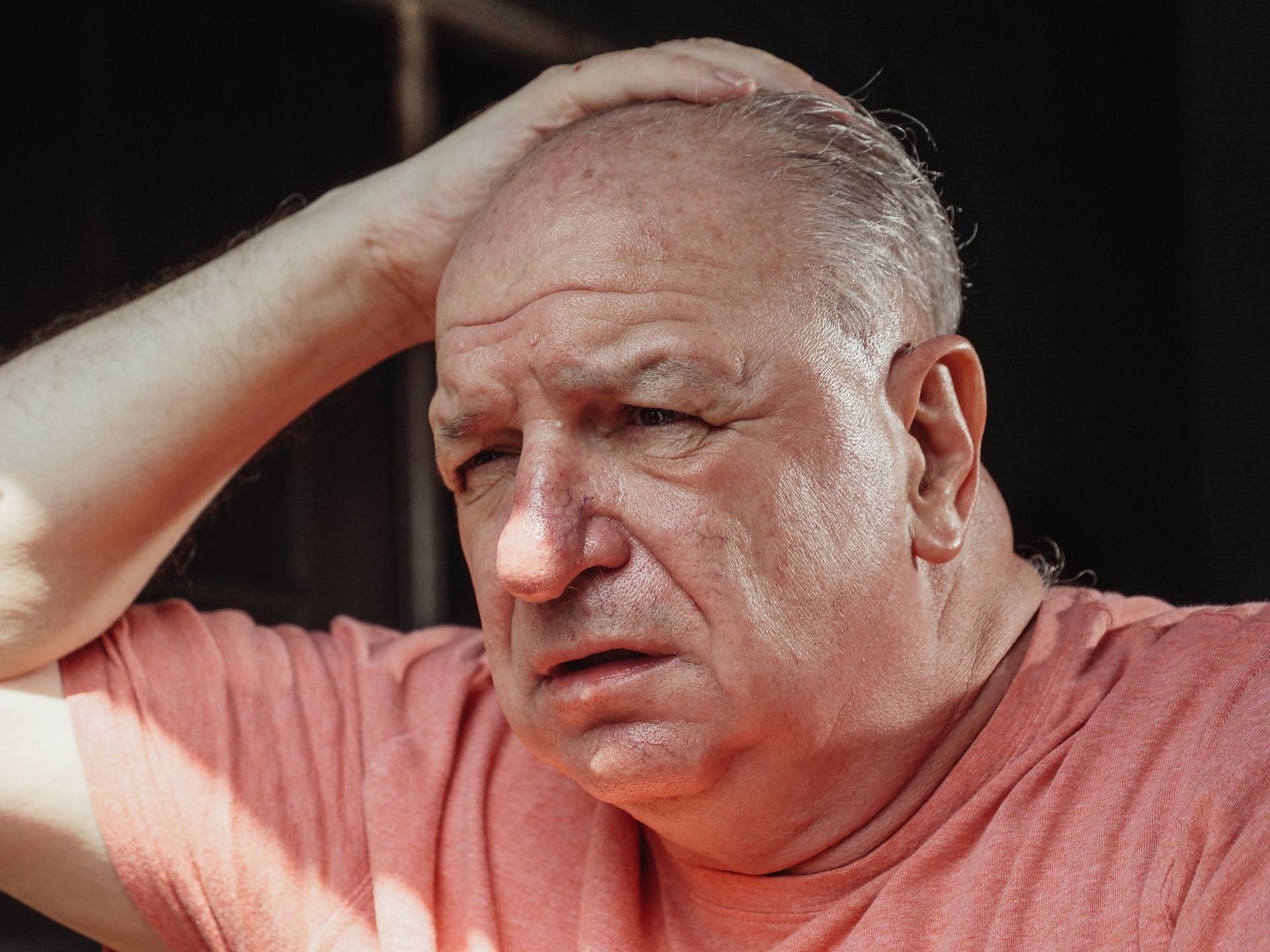
An older bald man outdoors rests his hand on his head, squinting with a concerned or confused expression.

Blood tests for hair loss

If your doctor suspects an underlying medical issue, they may order some blood tests. A Full Blood Count (FBC) checks for general health and anaemia. A Ferritin test measures your stored iron levels, as low iron is a frequent cause of shedding. Thyroid Function Tests (TFTs) check for an underactive or overactive thyroid gland. If you are a woman experiencing other symptoms like irregular periods or acne, your doctor might also check your hormone levels to investigate for conditions like PCOS.

For more details on what your test numbers mean, you can read our guide to understanding blood test results.

Hair loss treatments in the UK

Hair loss treatments in the UK include over-the-counter daily topical solutions, prescription oral medications, specialist injections, and cosmetic procedures. The right choice depends on your specific diagnosis.

Specialist treatments

If you are diagnosed with alopecia areata, a GP may refer you to a dermatologist. Treatments managed by specialists often involve corticosteroids, which help suppress the local immune response. These can be applied as creams or injected directly into the bald patches. For more severe cases, newer specialist medications known as JAK inhibitors, such as ritlecitinib, are becoming available in the UK to help block the inflammatory pathways causing the hair loss.

Procedures and cosmetic solutions

Several procedural options are available through private clinics. Platelet-Rich Plasma (PRP) therapy involves drawing your blood, processing it to concentrate the platelets, and injecting it back into your scalp to stimulate growth. Low-Level Laser Therapy (LLLT) uses red light to encourage follicle activity. For permanent restoration in pattern baldness, Hair Transplant surgery moves healthy hair follicles from the back of the head to the thinning areas.

Cosmetic solutions are also highly effective and carry no medical risks. Options include scalp micropigmentation, high-quality wigs, and hair fibres that bind to existing hairs to create the illusion of thickness. The NHS provides helpful guidance on synthetic and real-hair wigs for those managing extensive hair loss.

Treatment Name 

 How it Works 

Best for

Availability 

Considerations 

Topical Minoxidil 
Stimulates blood flow to follicles 

Male and female pattern hair loss 

Over-the-counter 

Must be used continuously. May cause scalp irritation. 

Finasteride 
Blocks DHT hormone production 

Male pattern hair loss only 

Prescription 

Risk of sexual and psychiatric side effects. 

Corticosteroids 

Suppresses local immune response 

Alopecia areata 

Prescription (Specialist) 

Can be given as creams or injections. 

Hair Transplant 

Moves healthy follicles to bald areas 

Male pattern hair loss 

Private clinics 

High cost. Requires surgery and recovery time.

Wigs and Hairpieces 

Cosmetically covers hair loss 

Extensive thinning or total loss 

Retail / Some NH 

Immediate results with no medical side effects. 

Hair loss myths and misconceptions

Common myths about hair loss include the beliefs that wearing hats causes baldness, frequent shampooing makes shedding worse, and cutting hair short makes it grow back thicker. These popular misconceptions are not supported by clinical evidence, and understanding the facts can save you time and unnecessary worry.

Wearing hats

Wearing a hat does not cause hair loss. The hair follicles get their oxygen from the bloodstream, not from the air, so hats do not suffocate the hair. The only exception is if you wear headgear that is so excessively tight that it constantly pulls on the hair roots, which could lead to traction alopecia.

Frequent shampooing

Washing your hair does not cause you to lose more hair. When you see hairs in the shower drain, those hairs were already in the telogen resting phase. They were going to fall out anyway, and the physical action of washing simply dislodged them. Maintaining a clean, healthy scalp is actually beneficial for healthy hair growth.

Cutting hair short

Cutting your hair only affects the hair shaft, which is dead tissue. It has absolutely no impact on the living hair follicle beneath the skin. Shaving or cutting your hair will not change its thickness, texture, or rate of growth. However, shorter hair can often appear thicker and healthier because you are removing split, damaged ends. You can read more about caring for the hair shaft in our healthy hair tips guide.

Frequently asked questions

The most frequently asked questions about hair loss cover topics such as stress, NHS treatments, and the effectiveness of medications. People experiencing hair loss often share similar concerns about prognosis and treatment timelines.

Stress does not usually cause permanent hair loss. Stress-induced hair loss, known as telogen effluvium, is nearly always temporary. Once the period of severe emotional or physical stress is resolved, the hair cycle normalises. You can typically expect normal regrowth to begin within a few months, without the need for medical treatment.

Hair loss treatment is sometimes available on the NHS, depending on the underlying cause. Most treatments for pattern baldness are not available on the NHS as they are considered cosmetic. However, if your hair loss is caused by an underlying medical condition or alopecia areata, you may be eligible for NHS treatments, a dermatology referral, or financial support towards wigs.

It generally takes three to six months for hair loss treatments like minoxidil to work. Hair grows slowly, usually about one centimetre a month, so treatments take time to show visible results. According to the BNF (NICE), you must use minoxidil continuously to see noticeable improvement. If you stop the treatment, the new hair will usually fall out within a few months. 

Neither minoxidil nor finasteride is strictly better for male pattern baldness, as they work in different ways. Finasteride treats the root cause of male pattern hair loss by blocking the DHT hormone that shrinks follicles, while minoxidil acts as a growth stimulant. Clinicians often recommend using them together for a combined effect, but you should discuss this with a doctor first.

See a UK GP today

Skip the wait — book an online appointment and get expert advice from a UK-registered clinician in as little as 2 hours. 

Related Topics