Hives (Urticaria): Causes, Treatment and When To Worry 

What are hives?

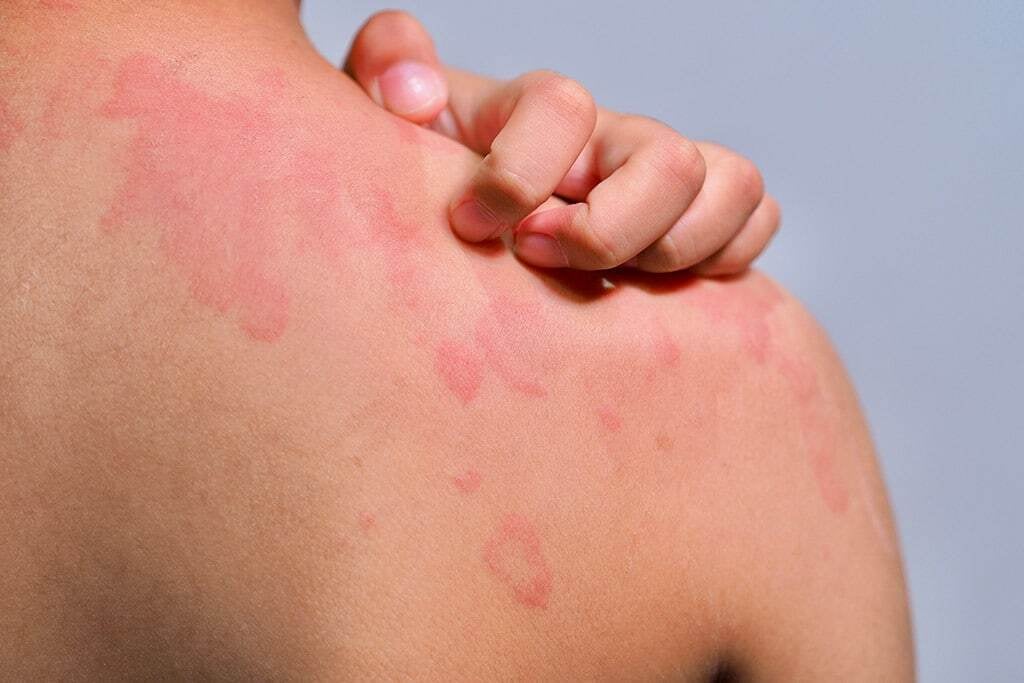
Hives, also known as urticaria, are itchy, raised welts on the skin that appear suddenly and can cause significant discomfort. These weals vary in size and shape, often joining together to form larger plaques across the body. While usually temporary, this common skin reaction can sometimes signal an underlying allergy or immune response requiring medical attention.
skin-hives

Key signs of urticaria

NHS guidance notes that hives, which are sometimes called weals, develop rapidly on the surface of the skin. They can be red, pink, or exactly the same colour as your surrounding skin. A classic feature of hives is that they blanch, meaning the centre of the welt turns white when you press gently on it. Individual welts typically last for less than 24 hours, but new ones will often appear in different areas as the old ones fade away.


Hives on different skin tones

Hives can look quite different depending on your skin tone. On lighter skin, the welts usually appear red or pink. On darker skin tones, the colour change may be much less obvious. The welts might be the exact same colour as the surrounding skin, or perhaps slightly lighter or darker. Because of this, the raised texture and the intense itching are the most reliable signs to look out for on darker skin.


Understanding angioedema

Hives sometimes occur alongside a related condition called angioedema. While hives affect the surface of the skin, angioedema is a deeper swelling in the tissues beneath the skin. NICE Clinical Knowledge Summaries explains that this deeper swelling most commonly affects the eyelids, lips, hands, feet or throat. Unlike hives, angioedema is not usually itchy. Instead, the swollen area often feels painful, tight or warm to the touch.

When to worry about hives

Most episodes of hives are mild and clear up on their own, but severe symptoms require urgent medical attention to rule out a dangerous allergic reaction.

When to call 999 or go to A&E

When to get urgent help

Call 999 or go to A&E if: you have difficulty breathing, swelling of your tongue, throat, lips or mouth or you feel faint or dizzy.

These critical signs can indicate anaphylaxis, a severe and potentially life-threatening allergic reaction. NICE Clinical Knowledge Summaries advises that any breathing difficulty or swelling in the throat requires urgent assessment, as it is a medical emergency requiring immediate attention.

When to book a GP appointment

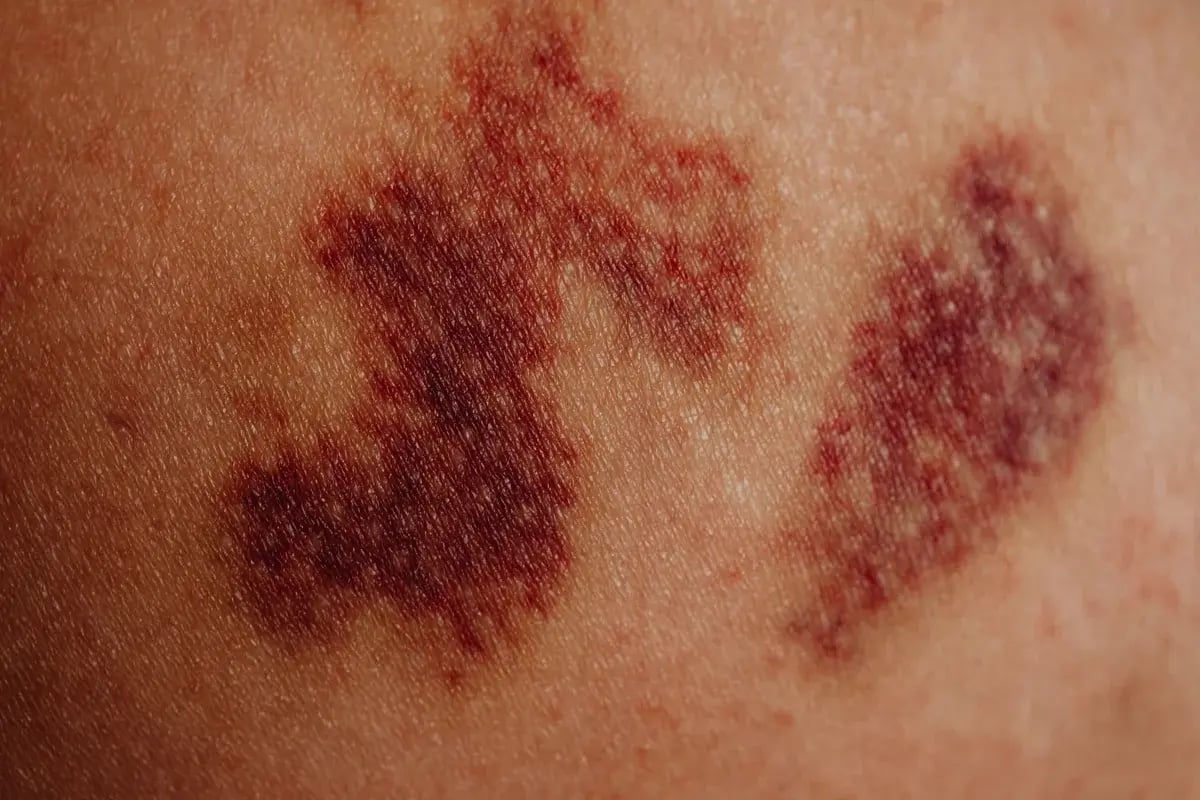
You should book an appointment with a GP if your hives are severe, keep coming back, or last for more than 48 hours without improving. The NHS Nottinghamshire APC primary care pathway recommends seeking medical advice if initial treatments are failing to control your symptoms. You should also see a doctor if your hives are accompanied by a high temperature, joint pain, or if the welts leave a bruise when they fade, which could indicate a rarer condition called urticarial vasculitis. Hives lasting longer than six weeks are considered chronic and definitely require a doctor's assessment.

Managing hives at home or with a pharmacist

Mild, isolated episodes of hives can often be managed safely at home. If you only have a few welts, you feel completely well in yourself, and your breathing is completely normal, an over-the-counter antihistamine is usually very effective. You can consult your local pharmacist for advice on the best medication for your symptoms. Speaking to a pharmacist is a quick way to get safe, professional advice for simple skin reactions.

Types of urticaria

Urticaria is categorised into acute, chronic, and physical types based on how long the symptoms last and what triggers them.

Acute urticaria

Acute urticaria is defined as hives that last for less than six weeks. NHS Lothian guidance notes that most acute cases are triggered by viral infections, particularly in children. Other common causes include allergic reactions to certain foods, specific medications, or insect stings. In many acute cases, a trigger is never found and the reaction simply settles down on its own over a few days.

Chronic urticaria

Chronic urticaria is diagnosed when hives appear on most days of the week for six weeks or more. There are two main subtypes. Chronic Spontaneous Urticaria (CSU) happens without any identifiable trigger. Chronic Inducible Urticaria (CIndU) is caused by a specific physical stimulus. In some cases of CSU, there is a link to the body's immune system mistakenly attacking healthy tissue, known as an autoimmune response.

Physical (inducible) urticarias

Physical urticaria is a type of hive that occurs as a direct result of a physical stimulus applied to the skin. The reaction usually happens quite quickly after exposure to the trigger.

 Type of physical urticaria 

 Trigger 

 Appearance of hives 

 Typical duration 

 Dermatographism (skin writing) 

Firm stroking, scratching or friction on the skin 

Linear red welts that mirror the line of the scratch 

 Less than an hour 

 Cold urticaria 
 Exposure to cold air, cold water or ice

 Welts on the skin exposed to the cold 

 One to two hours 

 Solar urticaria 

Exposure to ultraviolet (UV) light or sunlight 

 Widespread welts on sun-exposed skin 

A few minutes to an hour

 Pressure urticaria 

Sustained heavy pressure (like tight clothing or sitting on a hard seat) 

 Deep, sometimes painful swelling rather than surface hive 

 Up to 48 hours 

 Cholinergic urticaria 

Heat, sweating, exercise or hot baths 

 Tiny, intensely itchy spots surrounded by large red patches 

 30 to 90 minutes 

What causes hives?

Hives form when mast cells in your skin release histamine and other chemicals, causing local blood vessels to leak fluid into the skin, which results in swelling and itching.

How hives form

NHS guidance explains that this release of histamine is the common mechanism behind all hives, regardless of what actually triggered the reaction. It is this sudden fluid leak that creates the raised, itchy welt on the surface of your skin.

Allergic and medication triggers

Allergies can cause a rapid and severe outbreak of hives. Common allergic triggers include certain foods such as tree nuts, peanuts, shellfish, milk and eggs. Insect bites or stings and exposure to latex are also well-known triggers. NHS Lothian notes that certain medications frequently cause acute hives, particularly antibiotics like penicillin, aspirin, and non-steroidal anti-inflammatory drugs (NSAIDs) such as ibuprofen.

Non-allergic triggers

It is a common misconception that hives are always caused by an allergy. In fact, most cases of hives, especially chronic ones, are not caused by an allergic reaction at all. NICE Clinical Knowledge Summaries confirms that chronic urticaria is usually not allergic in nature. Common non-allergic triggers include viral or bacterial infections, high levels of stress, drinking alcohol, and the physical stimuli outlined in the previous section. In many instances of both acute and chronic hives, no clear trigger is ever found.

Hives treatments

Treating hives usually follows a straightforward, step-by-step approach designed to control the itching and clear the welts using the lowest effective amount of medication.

Step 1: At-home remedies and over-the-counter antihistamines

First-line management starts with simple comfort measures. Applying cool compresses to the skin, wearing loose-fitting cotton clothing and avoiding hot baths can help soothe the irritation. The main medical treatment is a standard dose of a modern, non-drowsy antihistamine. The British National Formulary confirms that second-generation non-sedating antihistamines, such as cetirizine or loratadine, are the first-line treatment for urticaria.

Step 2: Increasing the antihistamine dose

If a standard dose of antihistamine is not controlling your symptoms, a doctor may advise increasing it. For persistent hives, NICE Clinical Knowledge Summaries notes that clinicians may recommend increasing the dose of a non-sedating antihistamine up to four times the standard licensed dose. It is very important that you only take these higher doses under direct medical supervision, as a GP will need to monitor your progress and ensure it is safe for you. Our online GPs frequently help patients safely adjust their medication doses during virtual appointments.

Step 3: Add-on prescription medications

If high-dose antihistamines are not entirely effective, a doctor might suggest adding other oral medications to your treatment plan. One common option is a leukotriene receptor antagonist, such as montelukast. This medication works by blocking different inflammatory chemicals in the body, which can help calm the skin reaction when antihistamines alone are not quite enough to control the flare-up. Please speak to your NHS GP if you’re interested in this medication.

Step 4: Specialist treatments for severe hives

When chronic hives do not respond to the first three steps, your GP will usually refer you to a specialist, such as a dermatologist or an immunologist. NHS Dorset guidance states that referral is required if symptoms persist despite maximum antihistamine therapy. Specialists can prescribe advanced treatments, such as a biologic injection called Omalizumab (often known by the brand name Xolair), which is highly effective for Chronic Spontaneous Urticaria. For very resistant cases, West Suffolk NHS Foundation Trust mentions that specialist medications like steroids or immunosuppressants, such as ciclosporin, may be considered under strict hospital monitoring.

Living with chronic hives

Managing long-term hives involves tracking your symptoms, soothing your skin directly, and taking steps to reduce psychological stress.

Identifying triggers and managing itching

Living with long-term hives can be frustrating, but practical steps can help you regain control. We recommend keeping a simple symptom diary to track your flare-ups alongside your diet, stress levels and daily activities. This can help you and your GP spot subtle patterns over time.

Beyond taking medication, there are practical ways to find itch relief. Using calamine lotion or menthol-based creams can provide a cooling sensation that distracts the nerves from the itch. Taking lukewarm oatmeal baths can also soothe irritated skin, and keeping your skin well-moisturised with a gentle, fragrance-free emollient helps maintain a healthy skin barrier.


Stress and hives

Stress is a well-documented trigger for many skin conditions, including hives. When you are highly stressed, your body releases chemicals that can affect your immune system, making it more likely for your mast cells to release histamine and trigger a flare-up. Finding ways to manage your daily tension can directly improve your skin symptoms. Simple stress reduction techniques like mindfulness, deep breathing exercises, or engaging in gentle physical activity can make a significant difference. Managing stress and anxiety is an important part of your overall care plan.

Hives in children and pregnancy

Hives are very common in both children and pregnant women, but treatment requires specific care to ensure medications are safe for these groups.

Hives in babies and children

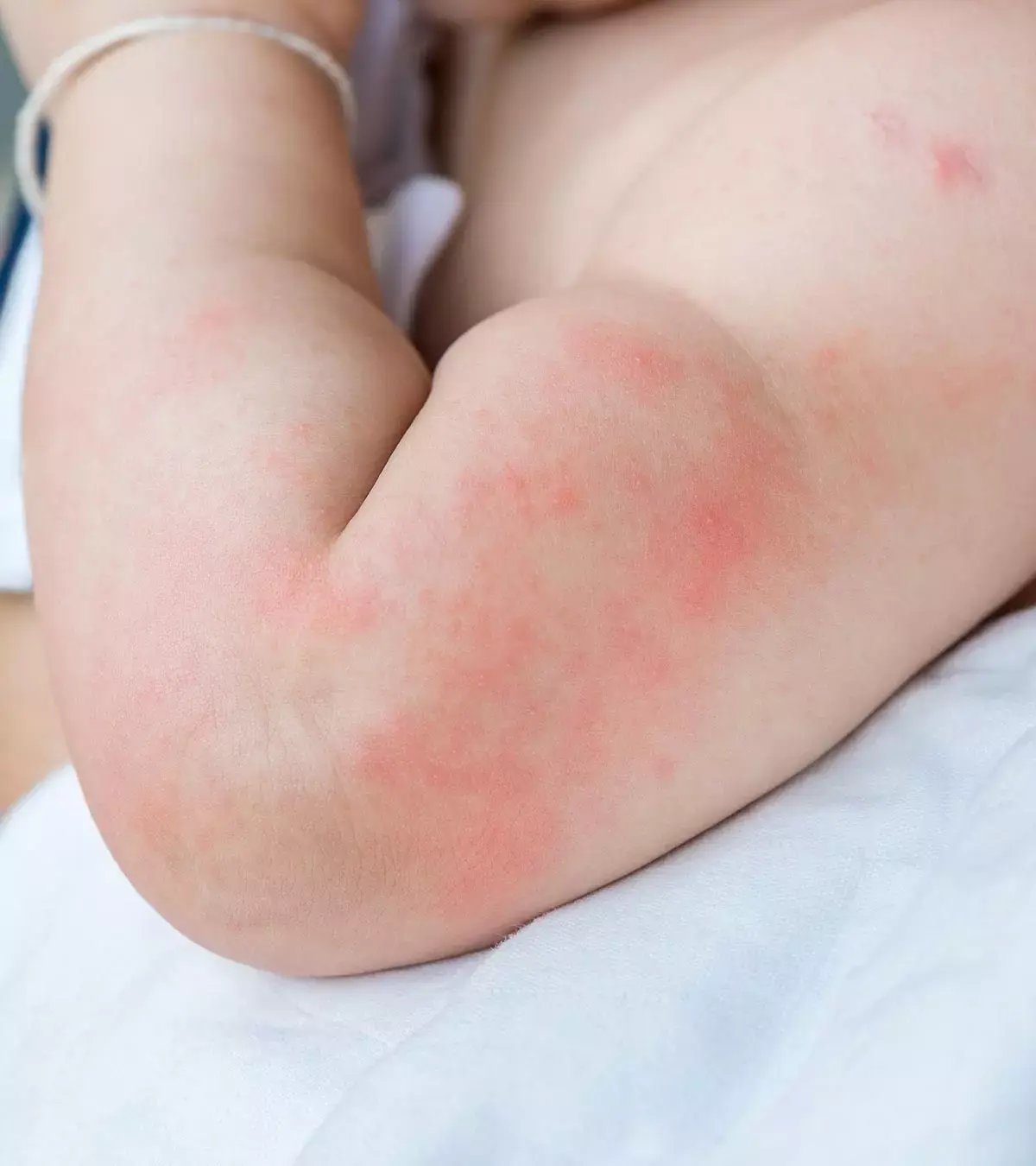
Hives are incredibly common in children. As parents, it can be alarming to see welts suddenly appear on your child, but most cases are mild. Guidance from Hull University Teaching Hospitals NHS Trust reassures parents that in most children with recurrent hives, no clear trigger is found and many episodes are simply caused by a viral infection. The treatment approach is similar to adults, focusing on non-drowsy antihistamines. However, the exact dosage must be calculated based on your child's age and weight, so you should always confirm this with a doctor or pharmacist before starting treatment. 

Managing hives during pregnancy and breastfeeding

Many women experience hives for the first time during pregnancy due to hormonal and physical changes. If you develop hives while pregnant or breastfeeding, treatment decisions must be made carefully in consultation with a doctor to ensure the medication is safe for your baby. While certain non-drowsy antihistamines like loratadine and cetirizine are generally considered low risk during pregnancy, professional medical advice is essential before taking any over-the-counter remedies.
Hives-In-Babies-Causes-Treatment-Home-Remedies-1-1.jpg

Frequently asked questions

 Common questions about hives often cover how long they last, their causes, and how they differ from other skin conditions. 

 Hives are not contagious. The NHS confirms that hives are an internal skin reaction caused by histamine release, not a viral or bacterial skin infection. You cannot catch hives from someone else, and you cannot pass them on to anyone. 

 The difference between hives and a heat rash is defined by their distinct causes and appearance. Hives are raised, smooth welts caused by histamine making blood vessels leak fluid. Heat rash, also known as miliaria, is caused by blocked sweat ducts and typically looks like a cluster of tiny, prickling red spots or small blisters. 

Your hives may seem to get worse at night due to natural changes in your body and environment. This common pattern is caused by evening increases in your skin temperature and a normal drop in your body's anti-inflammatory cortisol levels. Furthermore, with fewer distractions at night, your brain is simply more focused on the sensation of itching.

 You will rarely need allergy testing for your hives, especially if they are chronic. Extensive allergy testing is often not recommended unless you have a clear, consistent link between your hives and a specific trigger, such as eating a certain food. NICE Clinical Knowledge Summaries notes that chronic urticaria is usually not allergic in origin. 

 Hives normally last anywhere from a few hours to several weeks, depending on the type you develop. An episode of acute hives typically resolves within a few days to a few weeks. Chronic hives, by definition, last longer than six weeks and can persist for months or even years, often featuring periods of remission before flaring again. 

See a UK GP today

Skip the wait — book an online appointment and get expert advice from a UK-registered clinician in as little as 2 hours. 

Related Topics