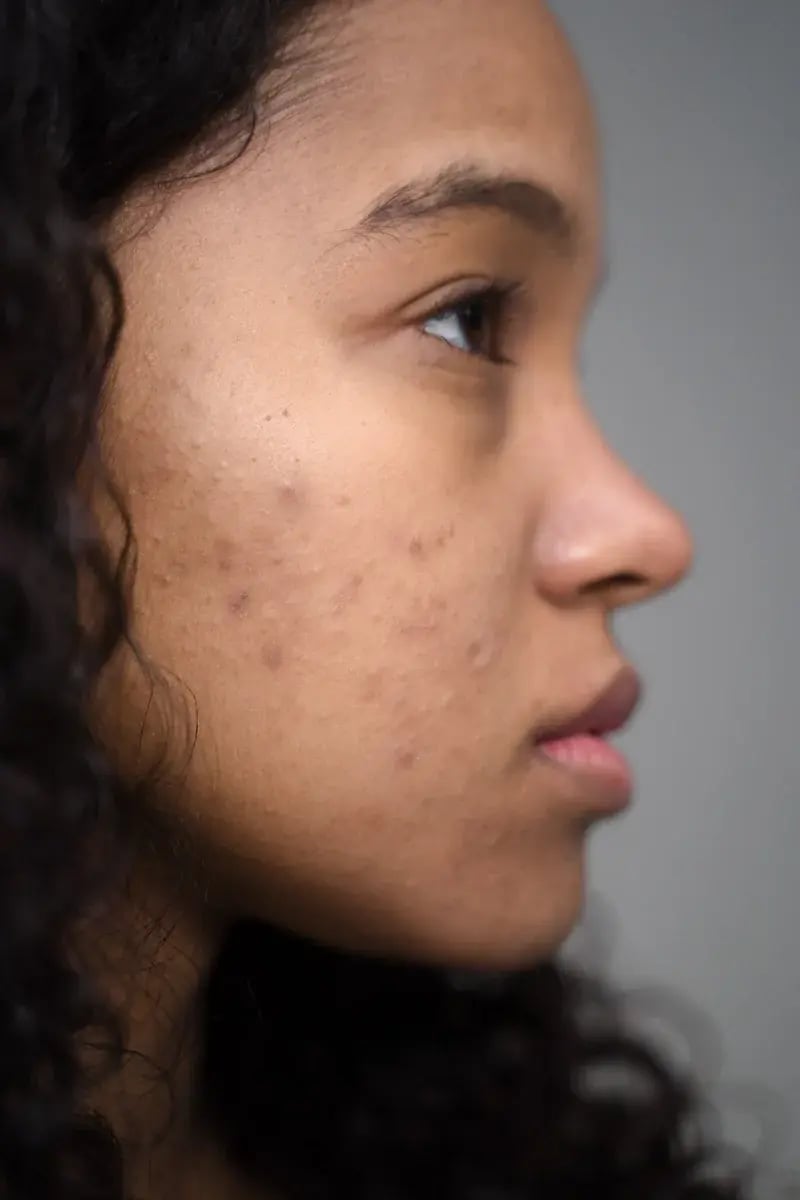
What is rosacea?
Rosacea is a long-term inflammatory skin condition that primarily affects the central face, causing persistent redness, frequent flushing, visible blood vessels, and sometimes small, pus-filled bumps. As a chronic condition, it typically follows a relapsing-remitting pattern, meaning you will experience periods of active flare-ups followed by weeks or months of remission.
The NHS outlines that the condition usually begins with episodes of flushing across the nose, cheeks, forehead, and chin. It is important to know that rosacea is not contagious, and it is not caused by poor hygiene.
Who is most likely to get rosacea?
Rosacea is most commonly diagnosed in adults aged 30 to 60. It affects women more frequently than men, though men often experience more severe symptoms, such as thickening of the skin on the nose.
The condition is particularly prevalent in people with fair skin, especially those of Celtic or Scandinavian ancestry who sunburn easily. However, it can affect people of all ethnicities. In people with darker skin tones, rosacea is frequently under-diagnosed because the characteristic redness can be much harder to see.
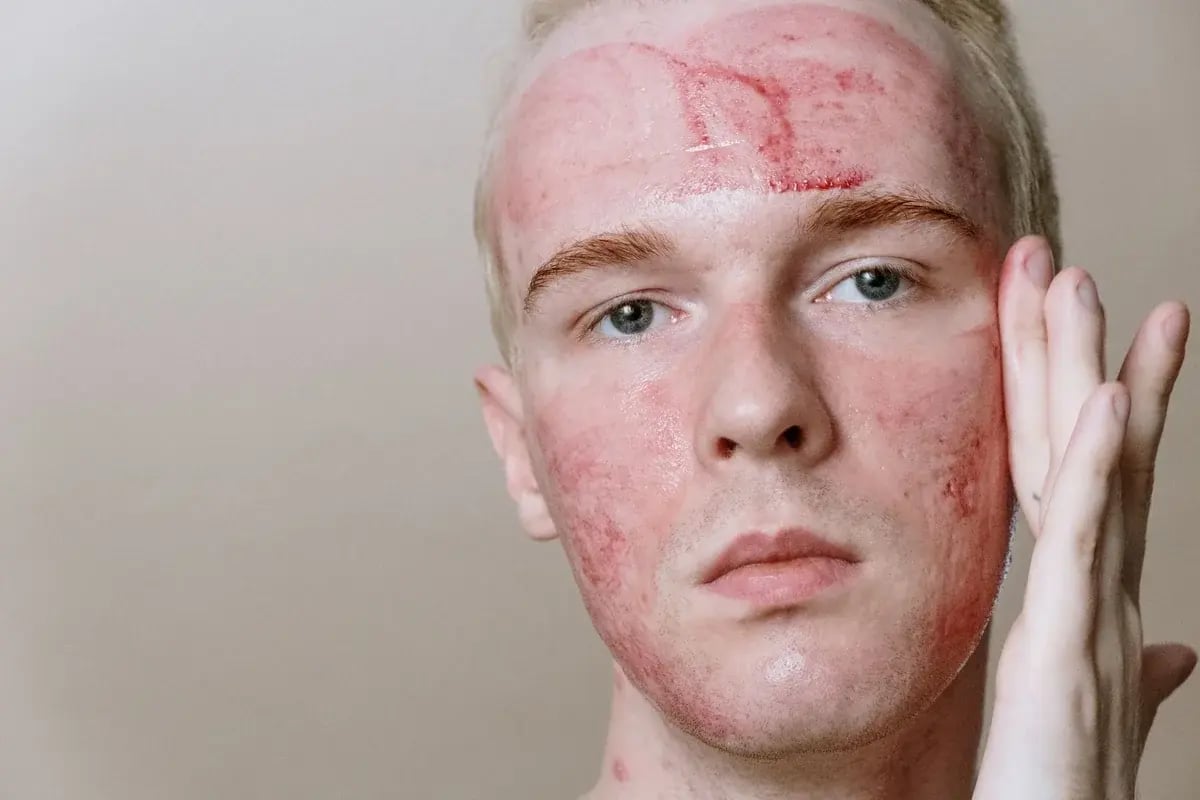
The four main types of rosacea
Clinicians generally recognise four main subtypes of rosacea. You might experience symptoms of just one, or a combination of several:
Erythematotelangiectatic (ETR)
Characterised by persistent redness, flushing, and visible blood vessels.
Papulopustular (Acne Rosacea)
Features facial redness accompanied by small red bumps and pus-filled pimples.
Phymatous
Causes the skin to thicken and take on a bumpy texture, most commonly affecting the nose (a condition known as rhinophyma).
Ocular
Affects the eyes, making them feel irritated, watery, dry, or bloodshot.
Signs and symptoms of rosacea
The main signs and symptoms of rosacea present as a combination of visible changes to the skin and eyes, alongside physical sensations like warmth, stinging, or irritation.
Common skin symptoms
The signs of rosacea can vary greatly from person to person. The most common physical symptoms include:
- Persistent facial redness resembling a blush or sunburn that does not fade.
- Frequent flushing or blushing across the central face.
- Small red bumps (papules) and pus-filled spots (pustules) that resemble acne.
- Visible small, broken blood vessels on the cheeks and nose (telangiectasia).
- Skin sensitivity, often described as a burning, stinging, or itching sensation.
- Patches of dry, rough, or scaling skin.
Rosacea on different skin tones
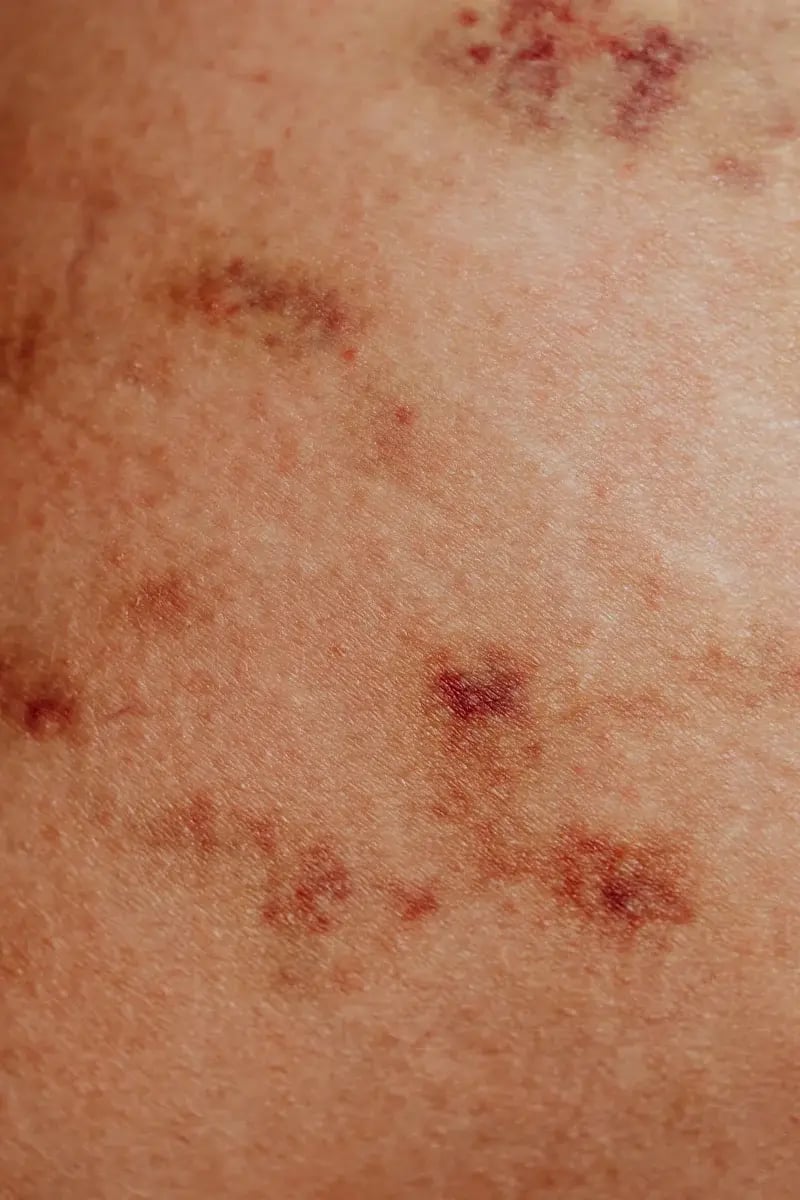
The classic image of rosacea is bright red skin, but this can be misleading for people of colour. On brown and black skin, the inflammation might not appear red at all. Instead, it can show up as a dusky brown discolouration, a warm yellowish tint, or a subtle violet hue.
Often, the bumps and pimples are much more prominent than any background colour change. For many people with darker skin, the physical sensation of warmth or a stinging feeling on the face is a more reliable early indicator than visual redness.
Ocular rosacea
Around half of the people who have rosacea on their skin will also develop symptoms in their eyes. Ocular rosacea can cause your eyes to look bloodshot or watery. They might feel exceptionally dry, or you may experience a gritty, burning sensation, similar to having sand in your eye. Some people also develop swollen eyelids or recurrent styes at the base of their eyelashes.
Seeking advice for eye symptoms
If you develop pain in your eyes, changes to your vision, or extreme sensitivity to light, you must seek urgent medical advice. If your eyes feel gritty, dry, or look chronically bloodshot alongside skin symptoms, an online GP can assess this and discuss appropriate treatment.
Causes and triggers of rosacea
The exact cause of rosacea remains unknown, but flare-ups are consistently triggered by environmental, dietary, and lifestyle factors that increase blood flow to the surface of the skin.
What causes rosacea?
Current medical understanding suggests rosacea results from a combination of genetic and environmental factors. Research points towards an overactive immune system that triggers chronic inflammation.
There is also evidence of abnormalities in the facial blood vessels, causing them to dilate too easily. Additionally, researchers have found that people with rosacea often have higher than normal numbers of Demodex mites. These are microscopic mites that live harmlessly on everyone's skin, but may trigger an immune response in those with rosacea.
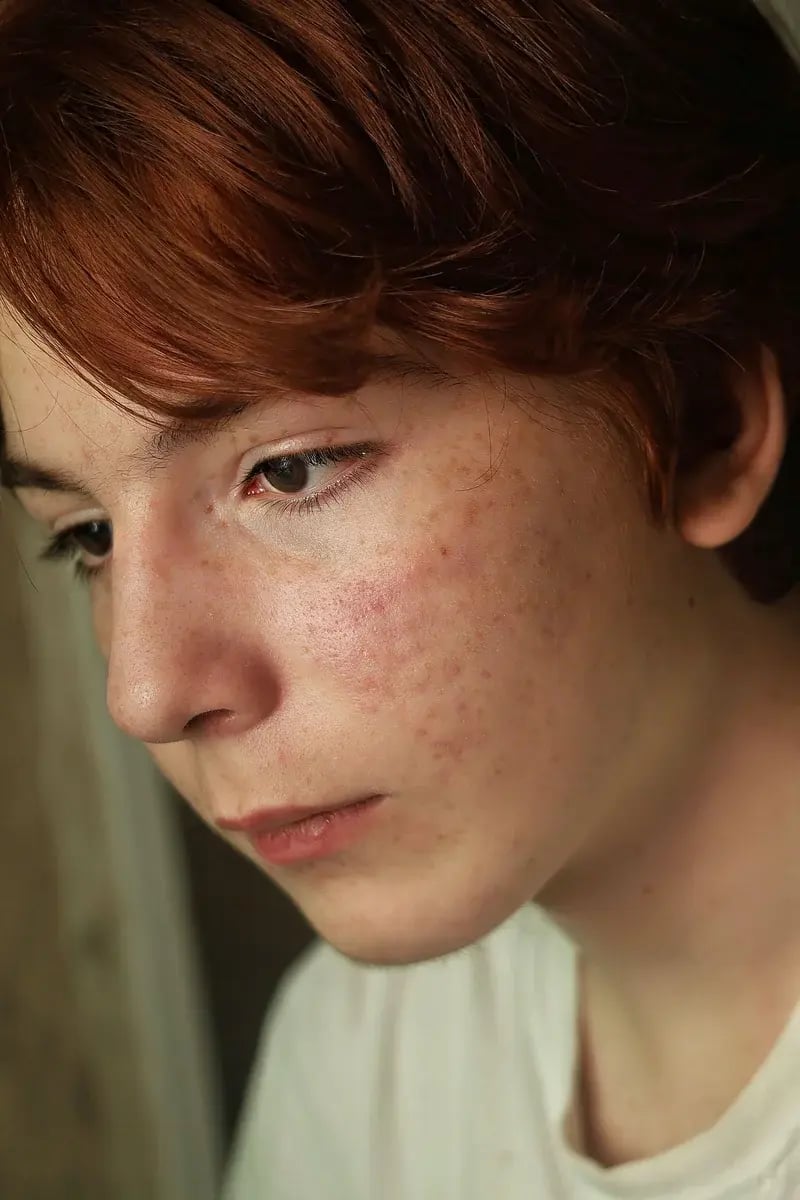
Common flare-up triggers
Identifying what worsens your symptoms is a crucial part of managing the condition. According to NICE/BMJ Best Practice, common triggers include:
- Food and drink: Alcohol (particularly red wine), spicy foods, and hot drinks like tea or coffee.
- Environmental: Sunlight and UV exposure, extreme hot or cold temperatures, and strong winds.
- Lifestyle: Emotional stress, anxiety, and intense physical exercise.
- Skincare: Harsh cosmetic products, fragranced creams, and alcohol-based toners or astringents.
How to keep a trigger diary
Because triggers are highly individual, keeping a simple diary is one of the most effective ways to take control of your condition.
- Get a small notebook or set up a dedicated note on your phone.
- Each evening, write down what you ate and drank, your exercise routine, your stress levels, and any extreme weather you encountered.
- Rate the condition of your skin that day on a scale of one to five.
- After a few weeks, review your entries to spot patterns. If your skin consistently flares up on days you eat spicy food or exercise heavily in the heat, you have identified a personal trigger.
Rosacea treatments
Treatment for rosacea combines daily trigger management with medical therapies, ranging from topical prescription creams to oral antibiotics and, in some cases, specialised in-clinic procedures.
Topical treatments
For most people, a GP will start by prescribing a topical treatment applied directly to the skin.
- Metronidazole: This is an antibiotic gel or cream that helps reduce inflammation and clear up bumps and pimples. The BNF (Metronidazole) guidelines list this as a standard treatment for inflammatory lesions in rosacea.
- Azelaic Acid: A gel that helps unblock pores and possesses strong anti-inflammatory properties to reduce redness and swelling.
- Ivermectin: An anti-parasitic and anti-inflammatory cream. The BNF (Ivermectin) notes it is particularly effective for managing the bumps and spots associated with papulopustular rosacea.
- Brimonidine or Oxymetazoline: These are gels that act as vasoconstrictors. They temporarily narrow the blood vessels under the skin to rapidly reduce facial redness for a number of hours.
Oral medications
If topical treatments are not effective enough, or if your symptoms are widespread, a doctor may prescribe an oral medication. The most common approach is a low dose of an oral antibiotic, such as doxycycline.
A Cochrane review of clinical trials confirms that these oral antibiotics improve symptoms significantly. In rosacea, they are prescribed specifically for their anti-inflammatory properties rather than to kill bacteria. For very severe, resistant cases, a dermatologist might prescribe an oral retinoid like isotretinoin, though this requires specialist supervision.
Comparing treatment options
Medication name |
How it works |
Best for |
How to use |
Side effects |
|---|---|---|---|---|
|
Metronidazole (gel/cream) |
Reduces skin inflammation |
Bumps, pimples, mild redness |
Typically once or twice daily |
Mild skin irritation, dryness |
|
Azelaic Acid (gel) |
Anti-inflammatory and unblocks pores |
Bumps, overall skin texture |
Usually applied twice daily |
Stinging upon application, itching |
|
Ivermectin (cream) |
Anti-inflammatory and targets skin mites |
Papules and pustules (spots) |
Applied once daily |
Mild burning feeling, dry skin |
|
Oral Doxycyclin |
Systemic anti-inflammatory action |
Moderate to severe bumps/redness |
Taken daily as a capsule |
Sun sensitivity, upset stomach |
In-clinic procedures and laser therapy
If you have persistent redness or prominent visible blood vessels that do not respond to creams or tablets, physical treatments may be an option. Intense Pulsed Light (IPL) and targeted laser therapy can safely heat and collapse the dilated blood vessels, causing them to fade over time. These procedures are usually carried out by private dermatology clinics. You can read more about how this works in our guide to laser treatments for rosacea.
Rosacea daily skincare routine
A safe, gentle daily skincare routine is foundational to managing rosacea, helping to support medical treatments, protect a compromised skin barrier, and prevent irritation.
Morning and evening routine
Consistency and simplicity are the keys to a rosacea-friendly routine.
Morning:
- Wash your face with a gentle, soap-free, non-foaming cleanser. Use lukewarm water, never hot.
- If you have a prescribed topical medication, apply it to dry skin and allow it to fully absorb.
- Apply a simple, hydrating moisturiser to lock in water.
- Finish with a high-SPF (30 to 50), broad-spectrum mineral sunscreen. Look for formulas containing zinc oxide or titanium dioxide, which are generally less irritating than chemical filters.
Evening:
- Gently cleanse your skin to remove sunscreen, makeup, and daily impurities. Do not scrub or use rough washcloths.
- Apply your prescribed evening topical medication.
- Smooth on a generous layer of moisturiser to soothe your skin and repair the barrier overnight.
Skincare ingredients to choose and avoid
When shopping for products, check the labels carefully.
Beneficial ingredients to look for:
- Niacinamide: Helps reduce inflammation and redness.
- Ceramides: Fatty acids that strengthen the skin barrier.
- Hyaluronic Acid: Draws moisture into the skin without clogging pores.
- Azelaic Acid: Available in lower strengths over the counter to help calm the skin.
Ingredients to avoid:
- Alcohol (often listed as denatured alcohol or alcohol denat).
- Fragrance or perfume.
- Witch hazel.
- Menthol, peppermint, or eucalyptus oil.
- Harsh physical exfoliants, scrubs, or facial brushes.
Living with rosacea
Living with a visible, chronic skin condition requires both practical adaptations and emotional coping strategies, as the psychological impact can be just as significant as the physical symptoms.
Psychological and emotional impact
It is entirely normal to feel self-conscious, frustrated, or anxious about your skin. Unpredictable flare-ups can affect your confidence at work and in social situations. Acknowledging this emotional toll is important.
Practising mindfulness and stress-reduction techniques can help, especially since stress is a known trigger for flushing. Connecting with support groups to speak with others facing similar challenges can also provide immense relief. If your skin condition is affecting your mental wellbeing, do not hesitate to speak to a doctor. Our virtual GPs can discuss how your symptoms are impacting your life and guide you toward both medical treatments and psychological support.
Covering redness with makeup
If you choose to wear makeup to camouflage redness, product selection matters. Mineral-based foundations and powders are often the best choice, as they sit lightly on the skin and contain fewer irritating chemical preservatives.
Many people find that applying a green-tinted primer before foundation helps neutralise the red tones in the skin, meaning you can use less foundation overall. Always apply your makeup gently using a clean, soft sponge or brush rather than rubbing with your fingers, and ensure you remove it thoroughly but gently at the end of the day.
Conclusion
Successfully managing rosacea is entirely possible when you combine a correct diagnosis with a personalised care plan and daily trigger avoidance. Remember these key points:
- Rosacea is a common, long-term medical condition, not just standard sensitive skin.
- Identifying and avoiding your personal daily triggers is just as important as medical therapy.
- A simple, consistent, and gentle skincare routine acts as the foundation for keeping your skin calm.
- Highly effective prescription treatments are available, meaning there is no need to struggle alone.
You do not have to put up with persistent discomfort or rely on guesswork with cosmetic products. A correct diagnosis and a personalised care plan can help bring your skin back under control.
Frequently asked questions
Here are the direct answers to some of the most frequently asked questions our online GPs receive about rosacea.
The difference between rosacea and acne is that rosacea is characterised by background flushing and visible blood vessels, which are not typical of acne. Crucially, the NHS notes that rosacea does not cause comedones like blackheads and whiteheads, the defining features of acne. Furthermore, acne primarily affects teenagers, whereas rosacea typically begins after the age of 30.
Rosacea cannot be cured completely, but it is a highly manageable condition. Clinical guidance from NICE confirms that with the right combination of daily trigger avoidance, a gentle skincare routine, and medical treatments, many people achieve long-term remission where their skin remains clear and calm for extended periods.
It typically takes four to eight weeks of consistent daily use for rosacea treatments to work and show noticeable improvement. Medical evidence from Cochrane reviews demonstrates that patience is essential when starting a new skin regimen. It is vital to continue applying your medication exactly as prescribed, even without immediate results.
Rosacea is potentially linked to gut health, though this is not yet a proven, universal cause. Some research suggests a connection between rosacea and gut issues like Small Intestinal Bacterial Overgrowth (SIBO) or Helicobacter pylori infections. Patients are advised to focus on established, evidence-based treatments and trigger management first.
You should see a specialist dermatologist for your rosacea if the diagnosis is uncertain, the symptoms are exceptionally severe, or the condition does not improve after trying first-line prescription treatments. According to RCGP learning resources, an online GP can confidently diagnose and manage the vast majority of cases before a referral is needed.
Related Topics
-
Acne: Causes, Types & Treatment
-
What Is Eczema? Symptoms, Causes, and Treatments Explained