What Is Gastroenteritis? Symptoms, Causes, and Treatment
What is gastroenteritis?
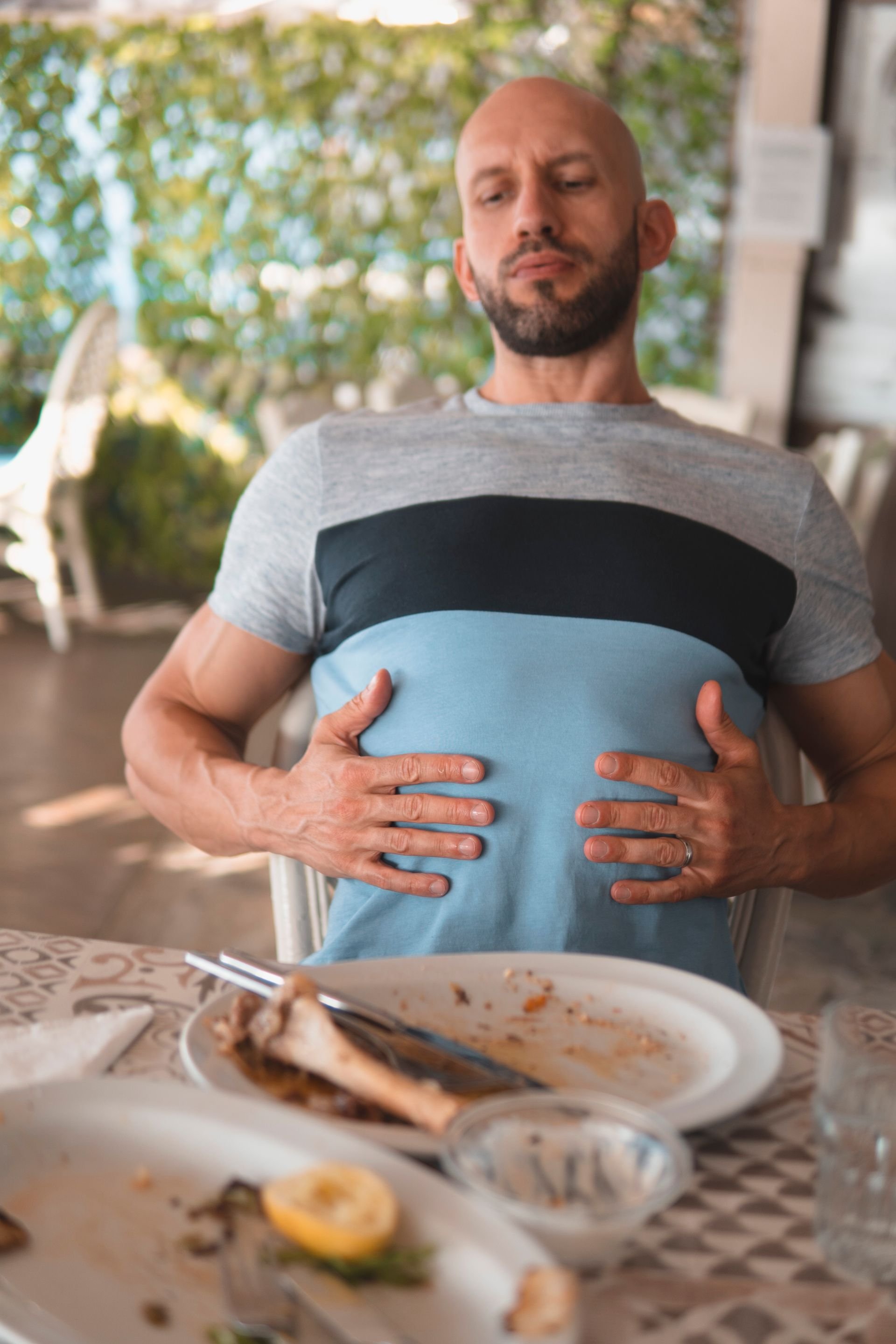
Gastroenteritis, commonly referred to as an upset stomach or stomach bug, is an inflammation of the stomach and intestines. It often causes abdominal pain, diarrhoea, and vomiting. While it's usually short-lived and resolves on its own, certain cases may require medical attention, particularly in babies, young children, or people experiencing severe symptoms.
The main symptoms of gastroenteritis include:
- Diarrhoea
- Nausea and vomiting
- Abdominal pain, cramping, and bloating
Other symptoms can include:
- Loss of appetite
- Fever
- Muscle aches
- Headaches

What causes gastroenteritis?
Gastroenteritis is typically caused by viral, bacterial, or parasitic infections.
Viral causes
Rotavirus, norovirus, and adenovirus are common culprits. Norovirus, also known as the "winter vomiting bug," is highly contagious and often causes outbreaks.
Bacterial causes
Food poisoning from undercooked or improperly stored food can lead to bacterial infections like Salmonella, Campylobacter, or E. coli..
Parasitic causes
Parasitic infections, though less common, may occur after travel abroad or contact with animals. Cryptosporidium, Entamoeba, and Giardia are known examples.
Occasionally, gastroenteritis may be triggered by toxins or certain medications.
How to treat gastroenteritis at home
In most cases, gastroenteritis can be managed at home with rest and proper care:
- Stay hydrated: drink plenty of water to replace lost fluids. Oral rehydration solutions can help restore electrolytes.
- Rest and avoid public contact: stay home for at least 48 hours after symptoms subside to prevent spreading the illness.
- Eat light: stick to small, bland meals that are easy to digest. Avoid acidic, fatty, or spicy foods.
- Over-the-counter medicines: loperamide (e.g., Imodium) can temporarily relieve diarrhoea if necessary, but it doesn't address the underlying cause.
Antibiotics are rarely needed, as most cases are viral.
Signs of dehydration to watch for
Dehydration is the main risk with gastroenteritis, particularly in young children and older adults. Signs include:
- Feeling dizzy or lightheaded, especially when standing up
- A dry mouth or feeling unusually thirsty
- Dark yellow, strong-smelling urine, or urinating less than usual
- Feeling unusually tired
In babies, also watch for fewer wet nappies than usual, a sunken soft spot on the head, or being unusually drowsy or irritable.

When should you speak to a doctor or ACP?
While most cases of gastroenteritis resolve on their own, you should consult a GP or ACP if:
- You experience severe vomiting and cannot keep fluids down
- Your vomit is green, yellow, or contains blood
- You have diarrhoea lasting more than 7 days or vomiting lasting more than 2 days
- You notice blood in your stool or rectal bleeding
- You're dehydrated despite drinking fluids and using rehydration solutions
Seek emergency medical attention (999 or A&E) if you:
- Vomit blood or notice "coffee ground" vomit
- Show signs of severe dehydration, such as confusion, a rapid heartbeat, or passing very little or no urine
- Develop signs of sepsis, such as a high fever with chills, fast breathing, or feeling extremely unwell
- Experience severe, worsening abdominal pain that doesn't settle
Babies and young children: seek advice if you notice dehydration, fever, or other concerning symptoms. It's better to err on the side of caution with young children and call your GP if unsure.
How to avoid gastroenteritis
Preventing gastroenteritis relies on good hygiene and food safety practices:
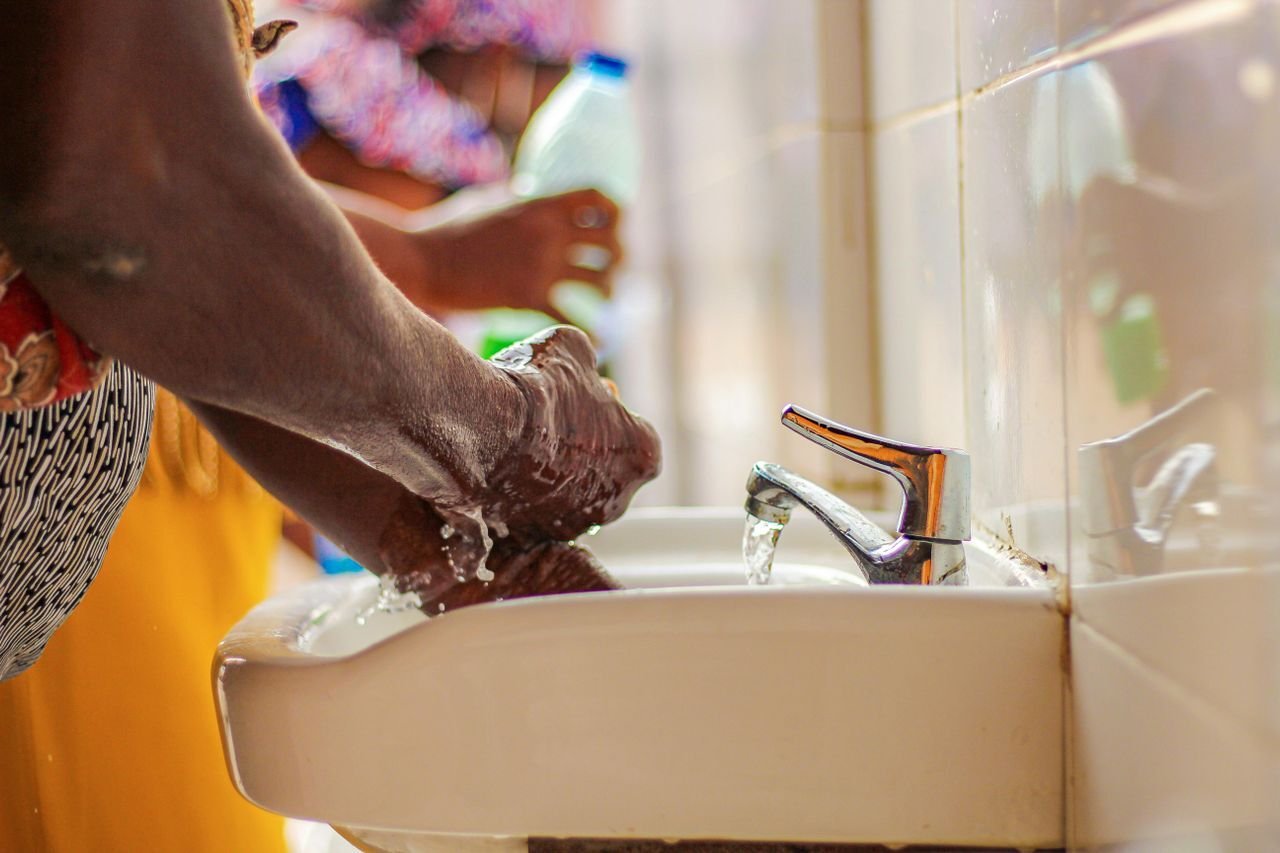
- Wash your hands thoroughly after using the toilet, changing nappies, or preparing food.
- Disinfect toilets, including seats, handles, and taps, especially during illness.
- Avoid sharing towels, cutlery, or other personal items.
- Cook food thoroughly and store it correctly to reduce the risk of foodborne bacteria.
Frequently asked questions
Symptoms typically last 1-2 days for milder cases, though some infections, particularly bacterial ones, can last a week or more.
Yes, particularly viral causes like norovirus, which spreads easily through contact with an infected person, contaminated surfaces, or food. Staying home for 48 hours after symptoms clear helps prevent spreading it to others.
Stick to small, bland meals that are easy to digest, such as toast, rice, or bananas, and avoid fatty, spicy, or acidic foods until you're feeling better.
Yes, babies and young children are at higher risk of dehydration and can become unwell more quickly, so it's important to seek medical advice sooner if you're concerned.
Related Topics
-
What is IBS? Symptoms, Causes, and Treatment Options Explained
-

Indigestion: Symptoms, Causes and Treatment