Bites and Stings: Symptoms, Treatment, and When to Worry
Most insect bites and stings — from mosquitoes to bees, wasps, and ticks — are harmless and settle on their own within a few days. But some can cause a serious allergic reaction, and certain bites carry a risk of disease. Here's what to look out for, how to treat common bites and stings, and when to get medical help.
Signs of a serious allergic reaction (anaphylaxis)
Before anything else: a small number of people have a severe allergic reaction to insect stings, most commonly from bees and wasps. This is a medical emergency.
Call 999 or go to A&E immediately if, after a bite or sting, someone has:
- Swelling of the face, lips, tongue, or throat
- Difficulty breathing or wheezing.
- A fast heartbeat, dizziness, or fainting
- Widespread hives or a feeling of impending doom
- Nausea, vomiting, or sudden confusion
If they carry an adrenaline auto-injector (such as an EpiPen), use it as directed while waiting for help.
Mosquito bites
What are mosquitoes?
Mosquitoes are small flying insects found in almost every part of the world, but they thrive in warm, humid environments, making tropical countries their favourite habitat. These insects feed on human blood, and their bites can result in itching, swelling, and, in some cases, serious health concerns.
A mosquito bite itself is usually painless, but the aftermath can be bothersome. In certain parts of the world, mosquitoes can also spread dangerous diseases, such as malaria or dengue fever, by transferring infected blood from one person to another.
What happens when you get a mosquito bite?
Mosquito bites are common, and for most people, the symptoms are mild. The first sign of a bite is often an itchy red bump on the skin.
Physical symptoms of mosquito bites:
- Itching — the most noticeable and irritating symptom
- Redness and swelling — sometimes the bite area becomes inflamed
- Severe reactions (less common) — large areas of swelling, hives or raised itchy rashes, and swollen lymph nodes
People with weakened immune systems or children may experience more pronounced reactions to mosquito bites.
If you notice redness spreading beyond the bite area, develop a fever, or experience other unusual symptoms, it's important to seek medical advice.
Diseases spread by mosquitoes
Mosquitoes are notorious for spreading life-threatening illnesses, particularly in tropical and subtropical regions. The most common mosquito-borne diseases include:
These diseases are not naturally occurring in the UK, but you may be at risk if you travel abroad, particularly to tropical countries.
Malaria
Causes fever, chills, and flu-like symptoms
Dengue fever
Leads to high fever, severe headaches, and muscle pain
Zika virus
Linked to birth defects during pregnancy
Chikungunya
Causes joint pain and fever
Yellow fever
Can result in fever, nausea, and liver damage
Japanese encephalitis
Affects the brain and can cause inflammation
Do you need malaria tablets?
If you're travelling to a high-risk malaria area, you may need to take malaria prevention tablets. Risk levels vary depending on the country and type of travel. For example, rural areas and jungle treks may carry a higher risk than city centres or beach resorts.
Even if you're taking malaria tablets, it's crucial to follow all bite-prevention measures. The mosquitoes that spread malaria are most active between dusk and dawn, so be extra cautious at night.
Bee and wasp stings
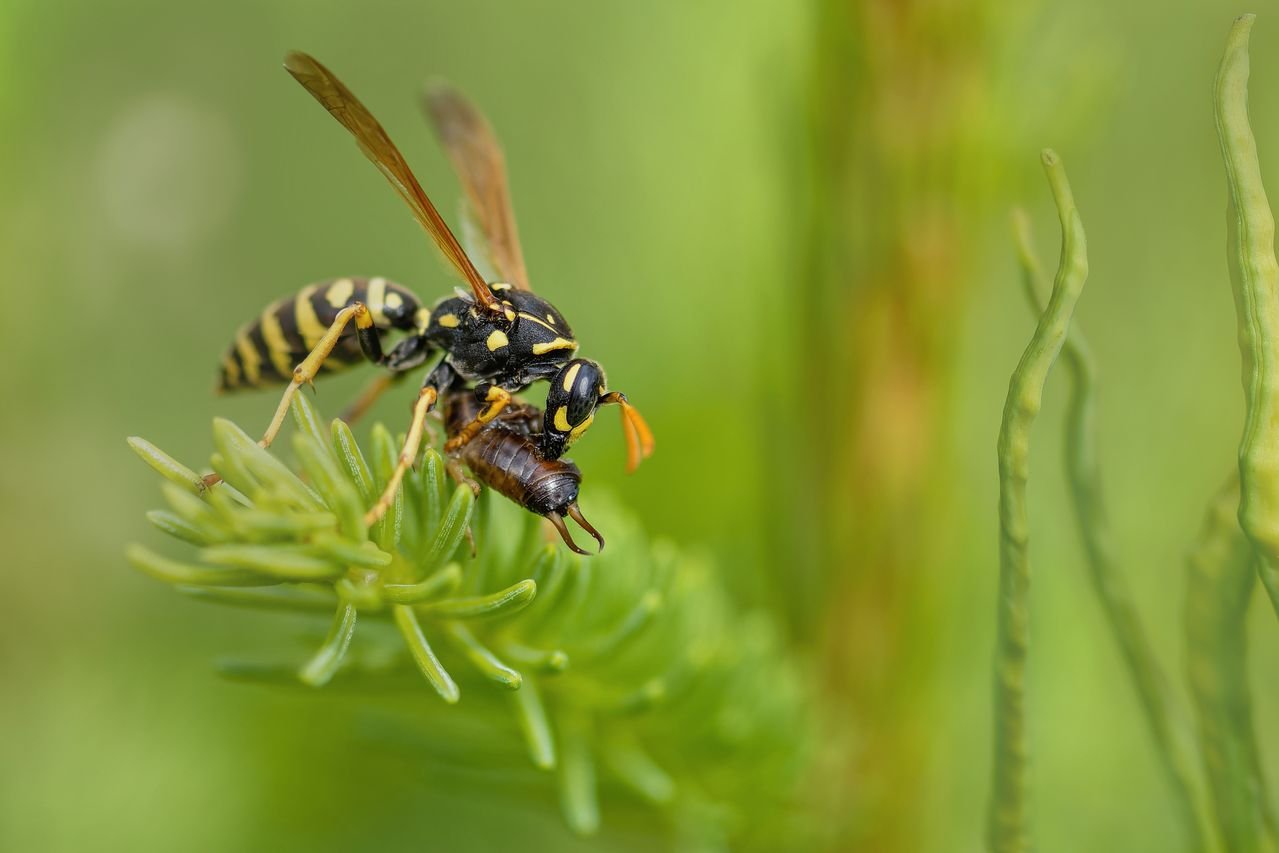
Bee and wasp stings are common in the UK, especially in summer. Unlike mosquito bites, a sting is usually immediately painful.
Typical symptoms include:
- Sharp pain at the time of the sting.
- Redness, swelling, and warmth around the sting site.
- Itching, which can last a few days.
A bee will usually leave its stinger behind in the skin — this should be scraped out sideways (rather than squeezed with tweezers) as soon as possible to reduce the amount of venom released (NHS, 2026). Wasps don't leave a stinger and can sting more than once.
To treat a sting:
- Remove the stinger if present, by scraping it out.
- Wash the area with soap and water.
- Apply a cold compress to reduce swelling.
- Take an antihistamine or use hydrocortisone cream to ease itching.
- Avoid scratching the area, to reduce the risk of infection.
Most stings settle within a few days. See a doctor if the swelling is severe, keeps spreading after 48 hours, or the area becomes infected (increasing redness, warmth, pus, or fever).
Remember: bee and wasp stings are the most common trigger for anaphylaxis — see the emergency signs above if you're at all concerned.
Tick bites
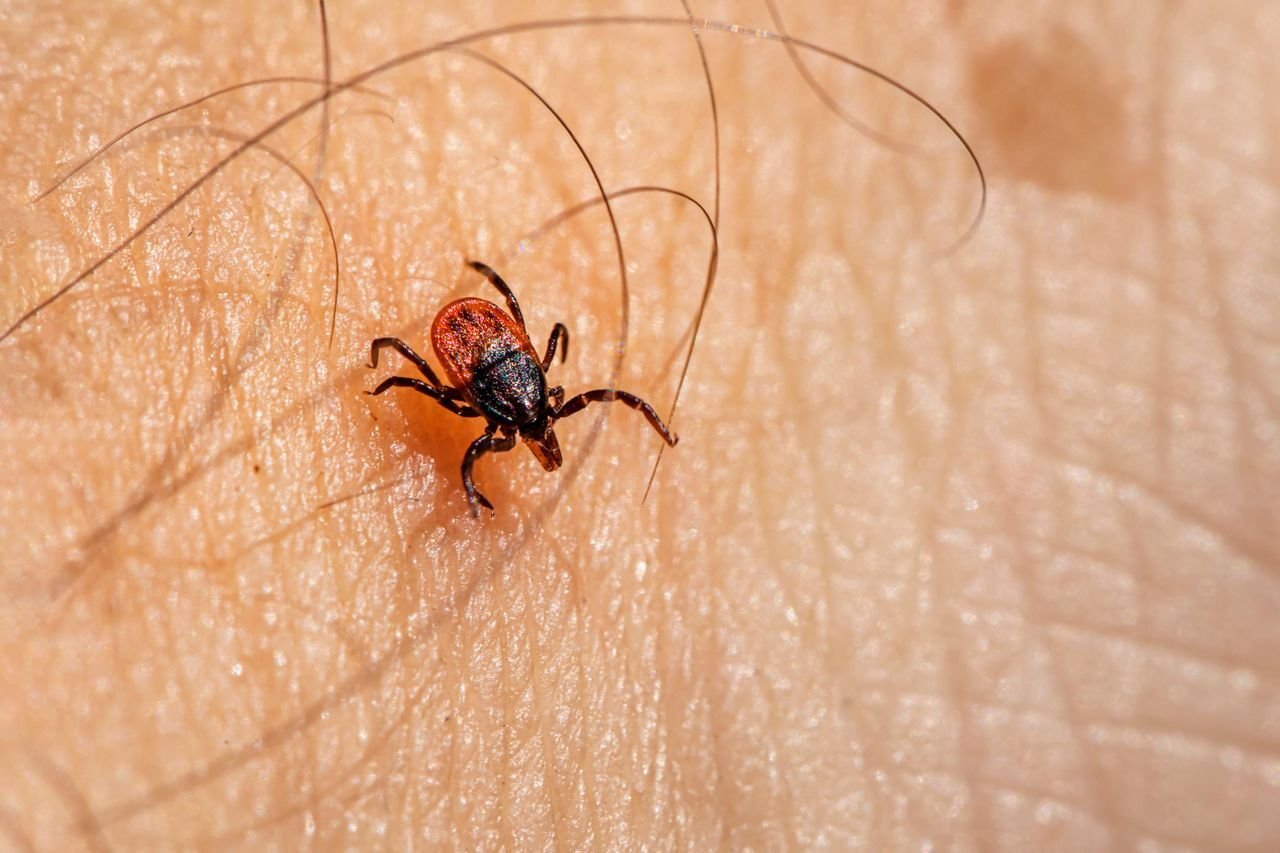
Ticks are small, spider-like insects found in woodland, long grass, and moorland across the UK, and are most active from spring to autumn. A tick bite is usually painless, so you may not notice it straight away.
Why tick bites matter: a small number of ticks in the UK carry Lyme disease, a bacterial infection that can cause serious illness if untreated. The risk of infection increases the longer a tick stays attached, so removing it promptly matters.
How to remove a tick safely:
- Use fine-tipped tweezers or a tick-removal tool.
- Grip the tick as close to the skin as possible.
- Pull upwards slowly and firmly, without twisting or crushing it.
- Clean the bite area with soap and water afterwards.
Watch for symptoms of Lyme disease in the weeks after a tick bite, including:
- A circular or oval red rash, sometimes with a "bullseye" appearance, that can appear anywhere from 3 days to 3 months after the bite.
- Flu-like symptoms such as fatigue, headaches, muscle aches, and fever.
See a doctor if you develop a rash or flu-like symptoms after a tick bite, even if you're not sure exactly when or where you were bitten.
Frequently asked questions
A bite (from mosquitoes, ticks, or other insects) usually involves the insect feeding, while a sting (from bees, wasps, or hornets) involves venom being injected as a defence mechanism, which is why stings are typically more immediately painful.
Mild swelling, redness, and itching around the sting site are normal. Signs of a more serious reaction include swelling of the face or throat, difficulty breathing, dizziness, or widespread hives — these need immediate medical attention.
No — only a proportion of ticks carry the bacteria that causes Lyme disease, and the risk increases the longer a tick remains attached. Prompt, correct removal reduces the risk of infection.
This depends on your destination, the areas you'll be visiting, and the time of year. A GP or travel health clinician can advise on the right prevention for your specific trip.
Related Topics
-
Allergies and Intolerances: Symptoms, Causes and Treatment
-
Hay Fever: Symptoms, Causes and Treatment