Asthma: A Guide To Symptoms, Inhalers and Flare-Ups
Asthma is a common, long-term respiratory condition characterised by inflammation and narrowing of the airways. While there is no cure, it can be effectively managed with the correct use of reliever and preventer inhalers. Recognising your personal triggers, monitoring symptoms, and following a personalised asthma action plan are essential steps to prevent flare-ups and maintain an active, healthy life.
Same-day appointments
24/7, 365 days in a year
Fit notes & referrals
Experiencing a tight chest, wheezing, or struggling to catch your breath can feel highly alarming. These symptoms are common, affecting around one in 12 adults in the UK. While asthma is a lifelong condition, modern medicine has transformed how we manage it. With the right inhalers and a clear daily routine, most people can control their asthma effectively and continue to lead full, active lives. Understanding exactly what happens in your lungs and knowing how to respond to flare-ups is the first step toward confident self-care.
What is asthma?
Asthma is a chronic, long-term condition that affects the airways, which are the small tubes carrying air in and out of the lungs. It causes these sensitive airways to become inflamed, swollen, and narrowed, leading to excess mucus production. This makes breathing difficult and triggers symptoms like wheezing, coughing, and chest tightness.
Airway changes in asthma
When a person has asthma, three key changes occur in their airways. Inflammation causes the delicate lining to swell, bronchoconstriction makes the surrounding muscles tighten, and the airways produce excess mucus. You can think of the airways as being highly sensitive or twitchy. They overreact to everyday things that would not bother a person without asthma, causing the tubes to narrow and making it harder for air to pass through.
Risk factors and causes
The exact cause of asthma is not fully understood, but it is generally a combination of genetic and environmental factors. If you have a family history of asthma, eczema, or allergies, you are more likely to develop the condition. Other risk factors include severe viral infections during childhood, regular exposure to allergens or irritants, and breathing in specific dusts or chemicals in your workplace over a long period.
Types of asthma
Asthma is not a single, identical condition for everyone. The different types of asthma include:
|
Asthma Type |
Description |
Common Triggers |
|---|---|---|
|
Allergic asthma |
The most common type, triggered by an immune response to allergens. |
Pollen, dust mites, mould spores, pet dander |
|
Non-allergic asthma |
Triggered by factors completely unrelated to allergies. |
Viral illnesses, stress, sudden weather changes |
|
Occupational asthma |
Develops when workplace substances continually irritate the lungs. |
Flour dust, wood dust, chemical fumes |
|
Exercise-induced bronchoconstriction (EIB) |
Specifically causes airway narrowing during or immediately after physical activity. |
Physical activity, exertion |
Symptoms and triggers
The main signs of asthma are coughing, wheezing, shortness of breath, and a tight feeling in the chest, which are often provoked by specific environmental triggers.
Key symptoms
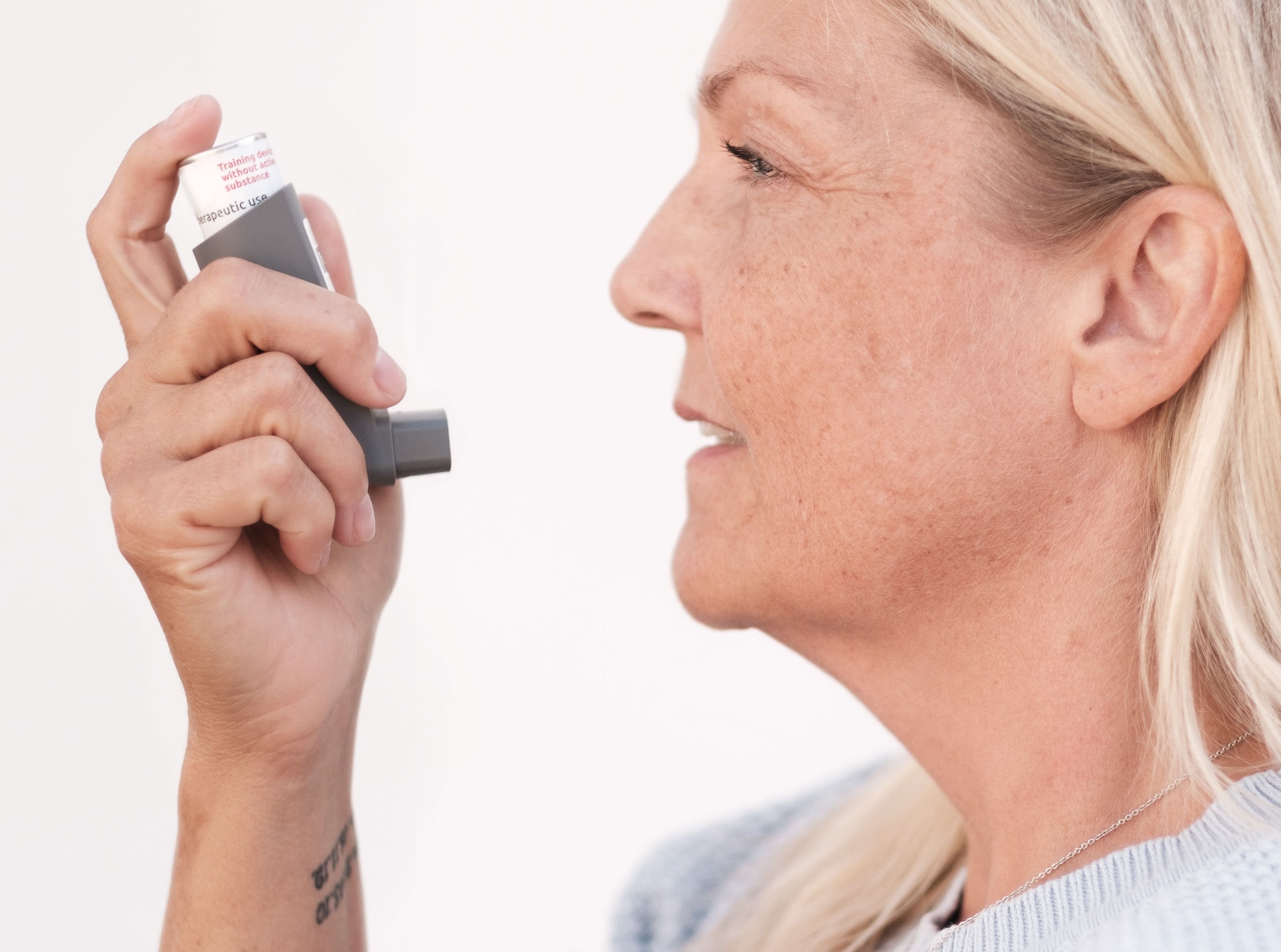
According to the NHS, asthma typically presents with four classic symptoms. You may develop a cough that is often worse at night or early in the morning. Wheezing is a distinct, high-pitched whistling sound made when you breathe. You might also experience shortness of breath, or a feeling of chest tightness that is often described as a heavy band tightening around the chest. Not everyone will experience all these symptoms, and they can vary significantly in intensity from day to day.
Identifying personal triggers
A trigger is anything that irritates your sensitive airways and causes your symptoms to appear or worsen. Common triggers are generally grouped into a few main categories:
- Allergens: Pollen, dust mites, mould spores, and pet dander.
- Irritants: Cigarette smoke, air pollution, and strong fumes or perfumes.
- Weather: Cold air, sudden temperature changes, or high humidity.
- Physical triggers: Exercise and respiratory infections like colds and flu.
Keeping a simple symptom diary is an excellent way to spot patterns. By recording when you feel breathless or need your inhaler, along with what you were doing at the time, you and your GP can begin to spot what sets off your asthma.
Diagnosing asthma
Doctors diagnose asthma by assessing your symptoms, reviewing your medical history, and carrying out objective breathing tests to measure your lung function.
The GP appointment
The diagnostic process begins with a detailed discussion. A GP will ask about the nature of your symptoms, how often they occur, and whether they wake you up at night. They will also ask if anyone in your family has asthma or allergies. During a video consultation, an online GP can assess your breathing visually and take a comprehensive history. If an in-person examination is needed, a doctor will listen to your chest with a stethoscope to check for wheezing. To prepare for your discussion, you may find it helpful to review a guide on preparing for your consultation.
Objective breathing tests
To confirm a diagnosis, guidelines from NICE recommend specific breathing tests.
The test you need will be decided by your clinician. Options include:
- Spirometry and Reversibility Testing: This measures how much air you can breathe out in one forced breath and how fast you can do it. The test is often repeated after taking a reliever inhaler to see if the medicine opens your airways
- Peak Expiratory Flow (PEF): A simpler test using a small handheld device to measure how fast you can blow air out. You may be asked to monitor your peak flow at home for a few weeks to look for variation.
- Fractional Exhaled Nitric Oxide (FeNO) Test: This measures the level of nitric oxide in your breath, which indicates the amount of inflammation present in your lungs.
Asthma treatments and inhalers
Asthma treatments rely mainly on inhalers, which deliver medication directly into the lungs to relieve immediate symptoms or prevent them from occurring.
Reliever inhalers
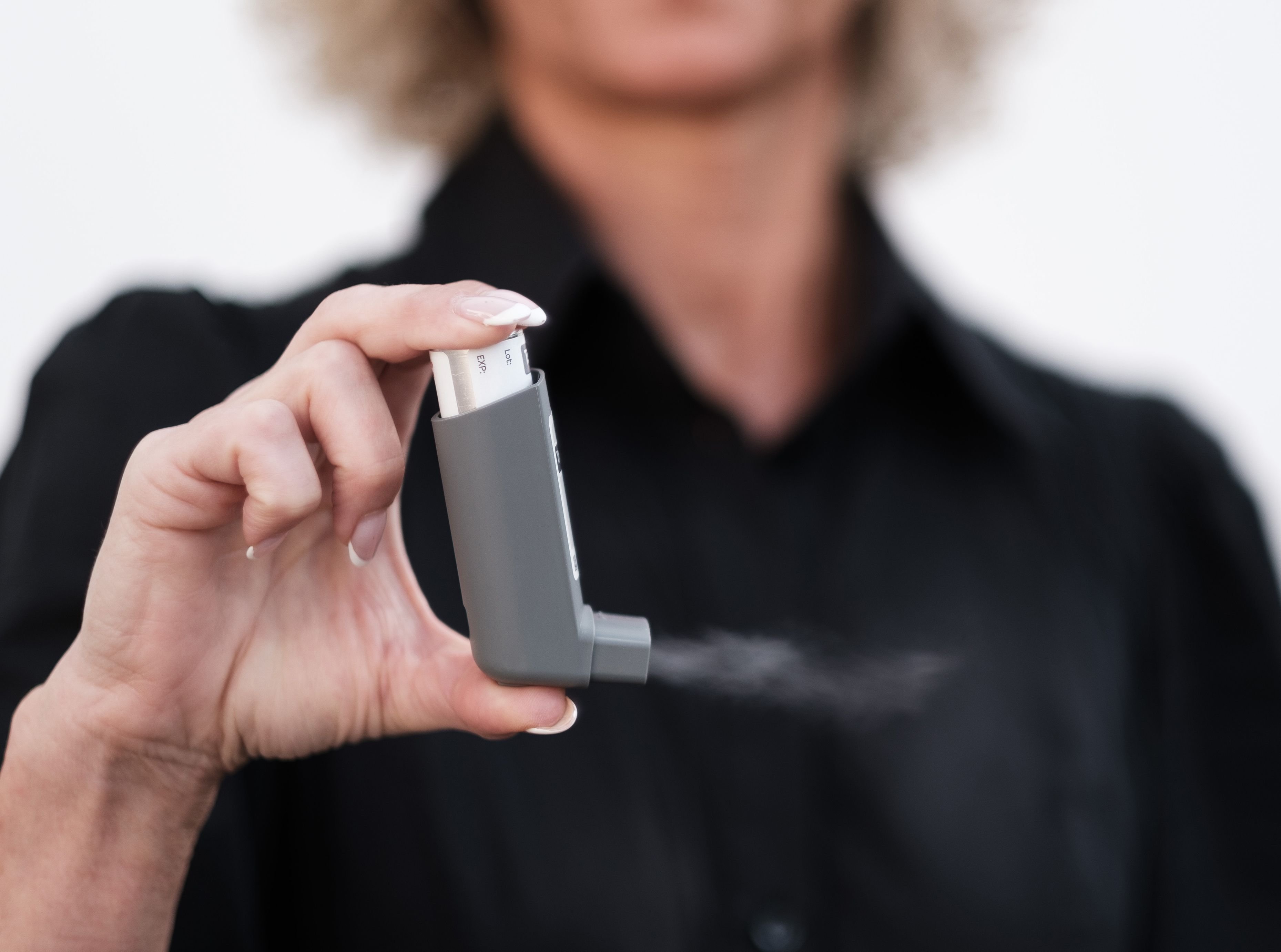
Reliever inhalers provide quick, short-term relief from asthma symptoms when they happen. According to the BNF (NICE), medicines like salbutamol act as bronchodilators. They work rapidly to relax the tight muscles around the airways, making it easier to breathe. These are rescue treatments. If you find yourself needing to use your blue inhaler more than two or three times a week, it is a sign that your asthma is not well controlled, and you should speak to a clinician to adjust your treatment.
Preventer inhalers
Preventer inhalers contain a low dose of an inhaled corticosteroid. They work over time to reduce the underlying swelling and sensitivity in the airways. In virtual consultations, one of the most common things patients ask us is whether they still need their preventer when they feel completely well. The answer is always yes. You must use your preventer exactly as prescribed to keep the inflammation at bay and prevent future attacks. After using a preventer inhaler, you must rinse your mouth with water or brush your teeth to prevent side effects like oral thrush.
Combination inhalers (MART and AIR)
Some combination inhalers also can be used as a reliever if they contain the write medication inside.
They may contain both a preventer medicine and a long-acting reliever medicine in a single device. Modern asthma care frequently uses Maintenance and Reliever Therapy (MART) or Anti-Inflammatory Reliever (AIR) therapy. As detailed by NICE guidance, these approaches use a specific type of combination inhaler as both your daily preventer and your as-needed rescue inhaler, offering a more flexible approach to keeping airways open and reducing inflammation simultaneously.
Check with your doctor if you can use as a reliever.
|
Inhaler Type |
How it Works |
When to Use |
Common Colour - this can vary so check your inhaler |
|---|---|---|---|
|
Reliever |
Relaxes airway muscles for fast relief |
When symptoms occur or during an attack |
Blue |
|
Preventer |
Reduces inflammation over time |
Every day as prescribed |
Brown, red, orange |
|
Combination |
Contains both preventer and long-acting reliever |
Daily and sometimes for relief (MART/AIR) |
Purple, pink, grey |
Inhaler technique
Correct technique is vital. If you do not use your inhaler properly, the medicine will hit the back of your throat instead of reaching deep into your lungs.
Metered-Dose Inhaler (MDI) with a Spacer: A spacer is a plastic tube that attaches to your MDI, making it much easier to get the right dose into your lungs.
- Shake the inhaler well and attach it to the spacer.
- Breathe out gently as far as is comfortable.
- Put the spacer mouthpiece between your teeth and seal your lips around it.
- Press the inhaler once to release a puff of medicine into the spacer.
- Breathe in slowly and steadily through your mouth.
- Hold your breath for 10 seconds, or as long as you comfortably can, before breathing out.
Dry Powder Inhaler (DPI):
- Open the device and load the dose as directed by the manufacturer instructions.
- Breathe out fully, away from the inhaler mouthpiece.
- Place the mouthpiece in your mouth and form a tight seal with your lips.
- Breathe in deeply and fast.
- Remove the inhaler from your mouth and hold your breath for 10 seconds.
Managing flare-ups and asthma attacks
An asthma flare-up or attack happens when your symptoms gradually or suddenly get worse, requiring prompt action to open your airways.
Warning signs
Asthma does not usually spiral out of control without warning. Subtle signs that a flare-up is brewing include needing your reliever inhaler more often than usual, waking up in the night with a cough or wheeze, and a drop in your daily peak flow score. This is considered the yellow zone of your asthma management, where you should take early action to prevent a full emergency.
Asthma attack steps
The NHS outlines a very clear emergency protocol for managing an asthma attack.
- Sit upright comfortably and try to remain calm. Do not lie down.
- Take one puff of your reliever inhaler (or your MART/AIR inhaler if you have been directed to use it for relief) every 30 to 60 seconds, up to a maximum of 10 puffs.
- If you feel worse at any point, or you do not feel better after taking 10 puffs, call 999 for an ambulance.
- If the ambulance has not arrived within 10 minutes, repeat step two.
When to seek urgent help
-
Call 999 if: You are too breathless to speak, eat or walk; your lips or fingernails are turning blue, feel drowsy or you have no improvement after using your inhaler as instructed.
-
Call 111 or go to A&E if: Your symptoms are getting worse quickly but you are still able to speak in full sentences, or you have recovered from an attack Asthma action plans
A personal asthma action plan is a written document you create with your doctor or asthma nurse that tells you exactly how to manage your condition every day.
Importance of an action plan
An action plan helps to remove the guesswork from asthma management. It clearly records your baseline health, your daily medications, and exactly what to do if your symptoms escalate. Research consistently shows that using a written action plan helps reduces the risk of hospital admissions and cuts down on days lost from work or school.
Traffic light zones
Action plans typically use a traffic light system to help you assess your symptoms quickly.
- Green Zone (All Good): Your asthma is under control. You do not have symptoms and your peak flow is normal. This section lists your daily preventer medications.
- Yellow Zone (Getting Worse): You have symptoms like a night-time cough or a tight chest, and your peak flow is dropping. The plan explains exactly what to do, which might involve increasing your reliever use or starting a short course of steroid tablets.
- Red Zone (Danger): You are experiencing an asthma attack. This section provides immediate, clear steps for emergency action and tells you when to call 999.
Creating your plan
We highly recommend booking a specific asthma review appointment with a GP to draft or update your plan. Together, you will record your best peak flow readings, document the names and exact doses of your medications for each zone, and list emergency contact details. You can usually download an asthma action plan template online to complete during your consultation.
Conclusion
Asthma is a lifelong condition, but can be well controlled with the right knowledge and tools. Understanding your personal symptoms and triggers forms the foundation of good control. Using your inhalers correctly, particularly taking your daily preventer medication, is non-negotiable for keeping your airways calm and open. Most importantly, holding a written asthma action plan is a great tool to keep you safe and well.
You should view your asthma not as a limitation, but as a condition that can be proactively managed, allowing you to live a full and healthy life. If you are concerned about new symptoms, need help filling out an action plan, or want to review your current treatments, our online GPs are ready to help. You can book a virtual GP consultation today to get the ongoing support you need.
Frequently asked questions
Patients often have common questions about living with asthma, distinguishing it from other conditions, and managing it alongside a healthy lifestyle.
The difference between asthma and COPD lies primarily in their onset and reversibility. Asthma typically starts in childhood, and the airway narrowing is reversible with medication. In contrast, Chronic Obstructive Pulmonary Disease (COPD) is a progressive condition, usually caused by long-term smoking, and tends to develop much later in life.
You know your asthma is properly controlled by using the rule of threes. Your asthma is well managed if you need your reliever inhaler fewer than three times a week, experience symptoms fewer than three times a week, and never wake up at night coughing. Exceeding these limits means you should consult a doctor. If you have recently been to A+E for your asthma or breathing - it is best to book a review appointment.
You need to rinse your mouth after using a steroid inhaler to remove any leftover medicine from your mouth and throat. According to the NHS, preventer inhalers contain corticosteroids. Rinsing your mouth or brushing your teeth immediately after use helps prevent local side effects, such as a sore throat, a hoarse voice, or oral thrush.
It is safe to exercise if you have asthma, and regular physical activity is highly beneficial for improving overall lung health. To exercise safely, you should warm up properly and take a puff of your reliever inhaler beforehand if advised by your doctor. If symptoms develop during activity, stop and use your reliever.
You can develop asthma as an adult, which is known as adult-onset asthma. While many people are diagnosed in childhood, adults can develop sensitive airways due to hormonal changes, severe respiratory infections, or exposure to irritants at work, which is specifically referred to as occupational asthma. If you have less symptoms when on holiday away from work this is a useful clue
How it works

Book a time that suits you
Choose a convenient slot - same-day or in advance from £45

Sign up in minutes
Create your account and verify your details quickly and securely

Speak to a GP
Get advice, prescriptions, and referrals in one simple consultation
Our Certifications