Warts and Verrucas: Treatment, Removal and When to See a GP 


What are warts and verrucas?

Warts and verrucas are small, non-cancerous skin growths caused by an infection of the human papillomavirus (HPV) in the top layer of the skin. These stubborn, rough lumps are highly common and affect most people at some point in their lives. While usually harmless, they can be painful, irritating, and slow to heal.

Difference between a wart and a verruca

A verruca is simply a wart that grows on the sole of the foot. When a wart develops on a weight-bearing area like the heel or the ball of the foot, the constant pressure of walking and standing pushes the growth inwards. This pressure causes verrucas to develop a hard, flat, calloused surface. Because they are pushed into the sensitive tissues of the foot, verrucas are frequently much more painful than warts found on other parts of the body.

The role of HPV

All warts are caused by specific strains of the human papillomavirus. HPV is an extremely common group of viruses. The strains that cause common skin warts and verrucas are completely different from the HPV strains associated with cervical and other cancers. The virus enters the body through tiny cuts, scratches, or breaks in the skin barrier, where it triggers the rapid growth of cells on the outer layer of the skin.
bare-feet-soles-in-bed

How warts and verrucas spread

Warts are highly contagious. The virus spreads easily through direct skin-to-skin contact or by touching contaminated surfaces. Warm, damp environments are ideal for the virus to survive, making swimming pool decks, communal changing rooms, and shared towels common sources of infection.

Based on guidance from the NHS, there are simple steps you can take to prevent the virus spreading:

Do

Don't

Wash your hands after touching a wart or verruca. 

Share towels, flannels, socks, or shoes with someone who has a wart.
Change your socks daily if you have a verruca.
Walk barefoot in public places if you have a verruca.
Cover warts and verrucas with a waterproof plaster when swimming.
Scratch, pick, or bite a wart, as this spreads the virus to other areas of your skin.
Wear flip-flops or pool shoes in communal showers and locker rooms.

Brush, comb, or shave over a wart, as this can spread it to nearby skin.

Identifying different types of warts

You can identify different types of warts by looking closely at their location, their texture, and the presence of small black dots beneath the surface of the skin.

Common warts

Common warts are firm, raised lumps with a rough, cauliflower-like surface. They most frequently appear on the hands, knuckles, knees, and fingers. You will often notice tiny black dots embedded in the surface of the wart, which are tiny blood vessels that have clotted.

Verrucas (plantar warts)

Verrucas, also known clinically as plantar warts, grow on the soles of the feet, the heels, and the toes. They are typically flat with a hard, thickened perimeter of skin and a softer centre, often containing small black dots. They can appear as a single verruca or grow in clusters, which are known as mosaic warts.

Wart, corn, or skin tag?

In our virtual consultations, patients often ask our clinicians to help them distinguish between different skin lesions. It is easy to confuse verrucas with corns, and common warts with skin tags.


Condition 

Appearance 

Location 

Pain 

Cause 

Verruca 
Flat, calloused, often has black dots, interrupts skin lines. 

Soles of feet, toes, heels. 

Painful when squeezed from the sides. 

HPV viral infection. 

Corn 
Hard, cone-shaped centre, yellow or white skin. 

Bony areas of feet, tops of toes. 

Painful with direct pressure. 

Friction and mechanical pressure. 

Skin tag
Soft, smooth, fleshy growth on a narrow stalk. 

Neck, armpits, groin, eyelids. 

Painless unless twisted or rubbed. 

Friction against skin or clothing. 

Wart and verruca treatments

Wart and verruca removal methods range from simple daily acid applications at home to advanced professional cryotherapy and targeted microwave treatments.

At-home and pharmacy treatments

For most people, the first step is a topical treatment purchased from a pharmacy. The most common and evidence-based first-line treatment is salicylic acid, which is available in paints, gels, and medicated plasters. According to the BNF, topical salicylic acid preparations are the standard pharmacological treatment for common and plantar warts. The acid works by softening the hard keratin protein that makes up the wart, allowing the dead skin to be gently filed away with an emery board before the next application.

Home freezing kits (cryotherapy sprays) are also available over the counter. These freeze the wart, but the temperature reached is much less cold than professional liquid nitrogen, making them less potent for stubborn cases. Some people try wrapping the wart in duct tape, but evidence for this method is weak and generally not recommended by clinical bodies.
feet-soles-heart-on-heel

Professional GP or podiatrist treatments

If pharmacy treatments fail, a GP or podiatrist can provide stronger options. The most common professional treatment is clinical cryotherapy. Using liquid nitrogen, the clinician freezes the wart to a much lower temperature than home kits can achieve. This intentionally damages the infected skin cells and triggers an immune response.

For stubborn cases, professionals may use stronger chemical treatments like silver nitrate. Podiatrists also offer verruca needling, a procedure under local anaesthetic where the verruca is repeatedly punctured to stimulate the immune system to destroy the virus. Another modern option is Swift microwave therapy, which delivers a precise dose of microwave energy into the skin to heat and destroy the infected tissue.

Specialist and surgical options

In rare cases where a wart is exceptionally resistant, a dermatologist or podiatrist may suggest surgical or specialist options. These include laser therapy to ablate the blood vessels feeding the wart, or electrosurgery (cautery) and surgical excision (curettage) to physically cut or burn the lesion away. Clinicians rarely use these as a first choice because they carry a higher risk of permanent scarring and require a longer recovery period.

Comparing removal methods

The best treatment for your wart or verruca depends entirely on its location, its size, your personal pain tolerance, and your budget.

While patience and pharmacy treatments work for many, others choose to invest in faster professional therapies. Below is a comparison of common removal methods in the UK.

Treatment 

Effectiveness / Success Rate 

Average UK Cost 

Pain Level 

Treatment Duration 

Best for

 Salicylic Acid
Moderate 

£5 to £15 

None to mild 

12 weeks or more 

Small warts on hands, initial verruca care 

Home Freezing 
Low to Moderate 

£10 to £20 

Mild stinging 

Three to six applications 

Small, recent warts 

Professional Cryotherapy 
Moderate to High 

£50 to £150 per session 

Moderate stinging or blistering 

Two to six sessions 

Persistent common warts 

Verruca Needling 

High

£200 to £400 

Painless during procedure (numbed); sore afterwards 

One procedure, weeks to heal 

Deep, highly stubborn verrucas 

Swift Therapy 

High for persistent cases 

£250 to £450 for a course 

Sharp, brief pain during application 

Three to four sessions 

Long-standing mosaic verrucas 

When wart treatments fail

When wart treatments fail, it is entirely common for warts, and particularly verrucas, to resist first-line treatments and require a change of approach.

Why some warts are stubborn

Several factors influence how easily a wart resolves. The depth of the lesion plays a major role; thick verrucas on the heel are much harder for topical treatments to penetrate than thin warts on the hand. The specific strain of HPV and the strength of your own immune response also dictate how quickly your body clears the infection.

Combining treatments

When a single treatment fails, clinicians often recommend combination therapy. A common clinical approach is to use daily salicylic acid at home in the weeks between professional cryotherapy sessions. The acid softens and removes the hard upper layers of skin, allowing the liquid nitrogen to penetrate deeper into the infected tissue during the next appointment.

Considering a specialist referral

If you have diligently tried daily pharmacy treatments for several months and completed a course of standard GP-led cryotherapy without success, it may be time to seek advanced care. A podiatrist or dermatologist can access stronger therapies, such as needling or Swift therapy, to manage highly resistant lesions. If you are unsure of your next steps, speaking to a clinician about a specialist referral can help you explore your options.

When to see a doctor

You should see a GP for a wart or verruca if it begins to bleed, changes in appearance, causes significant pain, or appears on a sensitive area of your body.

Red flag signs and symptoms

While most warts can be managed safely at home, the NHS advises booking a GP appointment if you experience any of the following:

  • The wart is bleeding, unusually painful, or has changed in size or colour.
  • The growth is on your face, your genitals, or inside your mouth.
  • You have diabetes, poor circulation, or a weakened immune system.
  • You are unsure if the skin lump is actually a wart.
parent-holding-child-foot

Warts in specific populations

Different groups of people need to take different approaches to managing skin lesions.

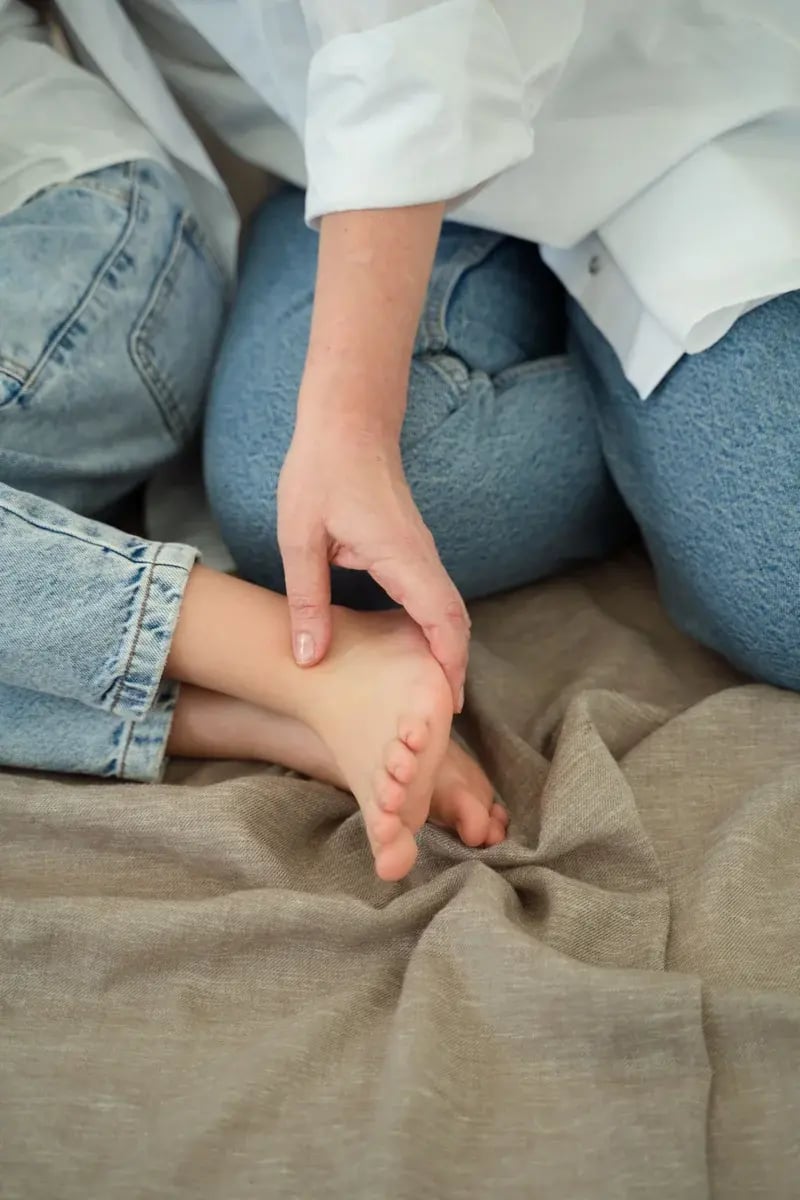
Children: Warts are extremely common in children. Our online GPs advise starting with the gentlest approaches first, as children's skin is delicate. Always speak to a clinician before using aggressive chemical treatments or home freezing kits on a child, as these can cause significant distress and scarring. Find out more about managing childhood health concerns.

Pregnancy

If you are pregnant, you should consult a doctor before starting any new medication. Some strong pharmacy treatments, including high-strength salicylic acid, may need to be avoided during pregnancy. 

Athletes

People who frequently use communal sports facilities have a higher risk of contracting verrucas. For runners and athletes, an untreated verruca on a weight-bearing area can alter their gait and lead to secondary joint or muscle pain. Prompt, effective treatment is essential to keep them active. Read more about protecting your feet in our diabetes and foot care guide. 

Frequently asked questions

Frequently asked questions about warts and verrucas cover their appearance, causes, treatments, recurrence, and professional removal costs. 

Verrucas have little black dots because they are clotted blood vessels, known as capillaries, that have grown up into the core of the wart to supply it with blood. The NHS notes that this feature is a key sign the lesion is a verruca or a common wart.

A wart can come back after it has been removed if the HPV virus remains active in the surrounding skin cells. The British Association of Dermatologists advises that recurrence is possible. Successful treatment requires eradicating the virus entirely in that specific location.

Private verruca removal costs in the UK vary depending on the clinic and location, but private options not routinely available on the NHS can be an investment. A course of Swift microwave therapy typically costs between £250 and £450, while a verruca needling procedure ranges from £200 to £400.

It is not safe to cut or pick a wart off. The NHS strongly warns against this because it can cause severe pain, heavy bleeding, and secondary bacterial infections. Crucially, picking at the tissue will easily spread the live virus to your fingers and other areas of your body.

When comparing salicylic acid and cryotherapy to determine which is better for a verruca, both are highly effective, but they serve different purposes. Cochrane review evidence supports salicylic acid as the best first choice for self-care due to its low cost, painlessness, and ease of use. Cryotherapy is a faster, more intense professional option for warts that have not responded to acid treatments. 

See a UK GP today

Skip the wait — book an online appointment and get expert advice from a UK-registered clinician in as little as 2 hours. 

Related Topics