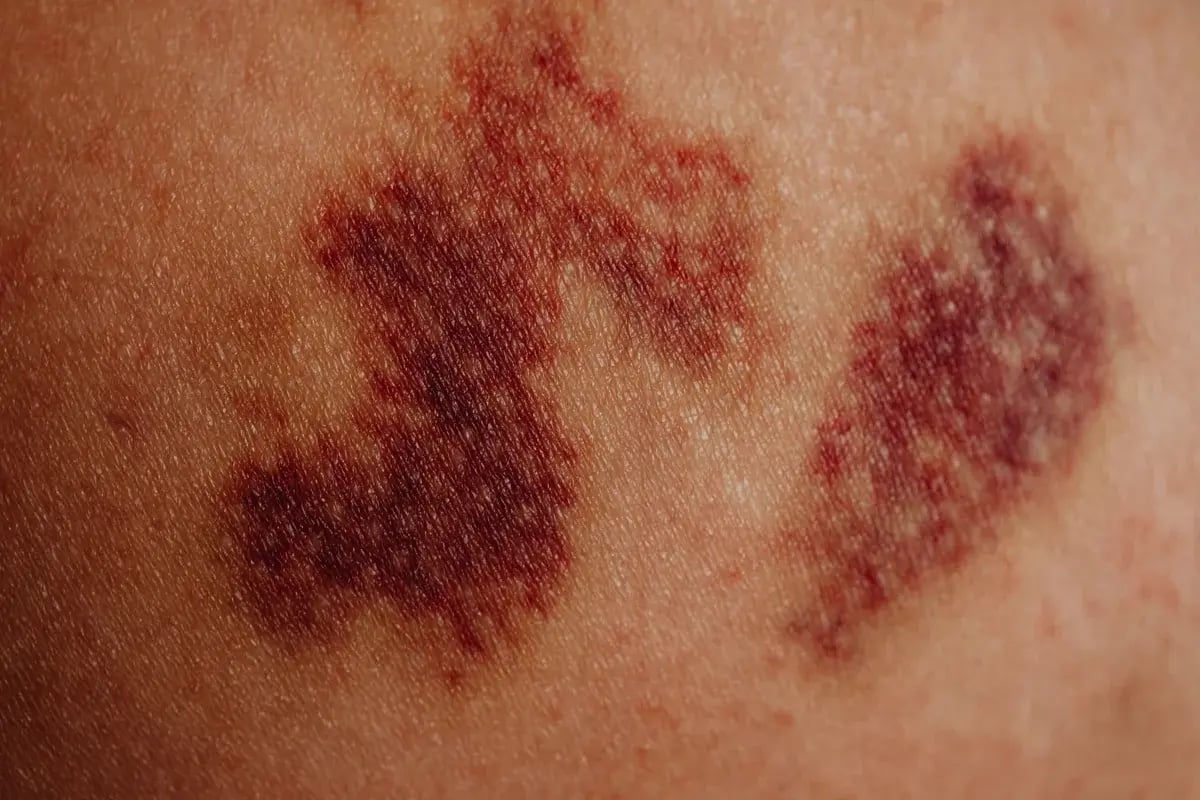
Fungal skin infections: a guide to types and treatment
What is a fungal skin infection?
A fungal skin infection, also known as mycosis, is a highly common condition caused by an overgrowth of fungi on your skin, hair, or nails. Fungi naturally live on the body, but when they multiply rapidly in warm, moist areas, they can cause an itchy, uncomfortable, and contagious rash.
Causes of skin infections
Fungal skin infections happen when fungi multiply faster than your immune system can control them. Our bodies naturally host various microscopic organisms, including fungi, without any problems. However, an infection develops when these fungi overgrow in a specific area. There are two main types of fungi that cause skin issues:
Type of Fungus |
Examples |
How it Operates |
Common Affected Areas |
|---|---|---|---|
Dermatophytes |
Tinea (causes ringworm)
|
Requires a protein called keratin to grow |
Outer layers of skin, hair, and nails |
Yeasts |
Candida
|
Causes inflamed rashes |
Areas where skin rubs together |
Risk factors
Fungi thrive in warm, moist environments. You are more likely to develop a fungal infection if you sweat heavily, wear tight clothing, or do not dry your skin thoroughly after washing. Minor injuries to your skin or nails provide an entry point for fungi to infect the deeper layers. People with a weakened immune system or chronic conditions like diabetes are also at a higher risk of developing persistent fungal infections. Because these conditions are contagious, they spread easily through direct contact with an infected person. You can also catch them from contaminated surfaces like gym floors and shared towels, or from infected animals.
Common fungal skin infections
The most common fungal skin infections include athlete's foot, ringworm, jock itch, and yeast infections, which are identified by their location and rash appearance.
Athlete's foot (tinea pedis)
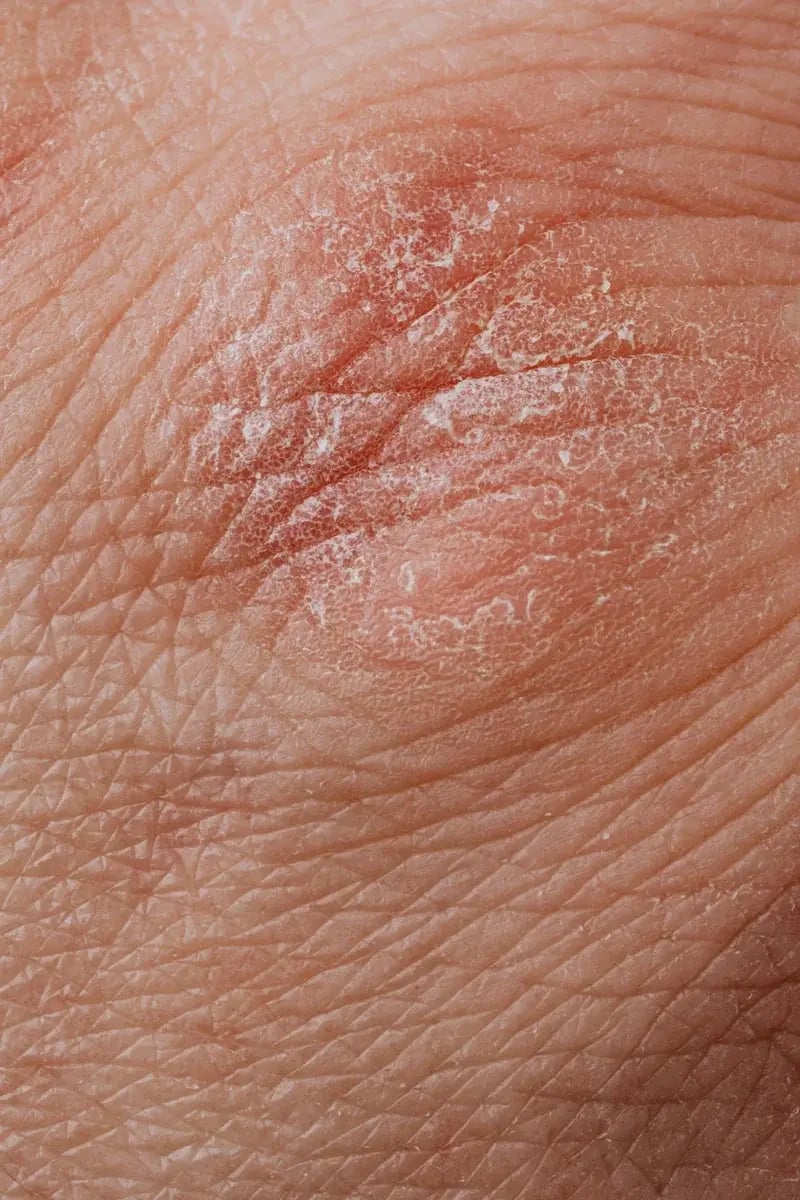
According to the NHS, athlete's foot is a contagious fungal infection that causes itchy, flaky skin between the toes and on the soles of the feet. On lighter skin tones, the affected area often looks red or pink. On medium and darker skin tones, the patches may appear purple, grey, or slightly darker than your normal skin colour. The skin can become cracked, sore, and sometimes develop small blisters.
Ringworm
The NHS notes that ringworm is a common fungal skin infection that causes a characteristic ring-shaped rash. On the body (tinea corporis), this rash looks like a circle with a scaly, inflamed advancing border and a clear centre. On lighter skin, the ring is typically red or silvery. On darker skin, it often appears brown, grey, or purplish. When ringworm affects the scalp (tinea capitis), it usually causes itchy, scaly patches and localised hair loss.
Jock itch (tinea cruris)
Jock itch causes a highly itchy, often ring-shaped rash in the groin, inner thighs, and buttocks. It is much more common in men and frequently occurs alongside athlete's foot. The fungus can spread from your feet to your groin when you pull up your underwear. The rash has a well-defined scaly border and can become very sore if it rubs against clothing.
Fungal nail infections
A fungal nail infection often causes the nail to become discoloured, thickened, and brittle. You might notice yellow, brown, or chalky white spots appearing under the nail bed. As the infection progresses, the nail can crumble at the edges and lift away from the toe or finger. While it can affect fingernails, it is significantly more common on toenails.
Skin yeast infections
NICE guidance on cutaneous candidiasis notes that these yeast infections typically occur in warm skin folds, such as the armpits, groin, or under the breasts. They cause a sore, itchy rash that often features smaller satellite spots or pustules around the main infected area. Tinea versicolor is another condition caused by a yeast overgrowth. It creates small, discoloured patches on the torso and upper arms that may be lighter or darker than the surrounding skin.
Treating fungal skin infections
Most fungal skin infections are mild and can be treated easily with antifungal medicines available from your local pharmacy.
Pharmacy treatments
Common infections like athlete's foot, jock itch, and mild ringworm respond very well to pharmacy products. These are available as creams, sprays, or powders. A pharmacist can examine your skin and help you choose the right product based on your symptoms.
Active Ingredient |
How it Works |
Best for |
Typical Treatment Duration |
|---|---|---|---|
Terbinafine |
Fungicidal (kills the fungus directly)
|
Athlete's foot, ringworm |
1 to 2 weeks |
Clotrimazole |
Fungistatic (stops the fungus from growing)
|
Yeast infections, sweat rashes |
2 to 4 weeks |
Miconazole |
Fungistatic (stops the fungus from growing) |
Jock itch, athlete's foot |
2 to 4 weeks |
When to see a doctor
You should book an appointment with a GP if your infection is widespread, affects your scalp, or does not improve after two weeks of using an over-the-counter treatment. You should also seek medical advice if you have a weakened immune system. Our virtual GPs can assess your skin via a video appointment and prescribe stronger topical treatments if necessary. For severe cases, we may prescribe oral antifungal tablets. The NHS confirms that antifungal medicines are available as topical preparations, oral tablets, and injections depending on the severity of the infection.
Treatment duration
Skin infections typically require two to four weeks of consistent treatment. It is vital that you complete the full course of your medication, even if your symptoms seem to have cleared up completely. Stopping too early is the most common reason why an infection will recur. Fungal nail infections are much more stubborn. They can take several months of daily treatment before you see a clear, healthy nail growing through.
Myths and home remedies
Many people try home remedies like tea tree oil, apple cider vinegar, or bleach to treat fungal skin infections. There is no robust scientific evidence to support using vinegar or tea tree oil as reliable treatments for a fungal infection. Using harsh chemicals like household bleach is a dangerous myth, as it will cause severe skin irritation and chemical burns. You should stick to proven, medically approved treatments to safely eradicate the fungus.
Preventing fungal skin infections
Preventing fungal infections relies on keeping your skin clean, dry, and protected in environments where fungi are known to thrive.
1. Keep skin clean and dry
Fungi multiply rapidly in moisture. Dry yourself thoroughly after bathing or showering, paying special attention to the spaces between your toes and any natural skin folds. You can use talcum powder or an antifungal powder in problem areas to help absorb excess sweat throughout the day.
2. Choose breathable clothing
Wear breathable materials like cotton or moisture-wicking fabrics for your socks and underwear. If you sweat heavily, change out of your damp clothes and socks as soon as possible. Whenever practical, wear open-toed shoes to allow air to circulate around your feet. Alternating your shoes each day gives them time to dry out completely before you wear them again.
3. Practise good hygiene
Fungal infections are highly infectious, so you should never share towels, clothing, or personal grooming items. Always wear flip-flops or water shoes in communal areas like gym changing rooms, public showers, and swimming pools. Wash your bedding and towels regularly in a hot wash to kill any lingering fungal spores.
At-risk groups
Certain groups of people are more susceptible to fungal skin infections and may need specific medical advice to manage their symptoms safely.
Babies and children
Babies frequently develop nappy rash, which can sometimes become complicated by a candida yeast infection. Children are also prone to scalp ringworm (tinea capitis). If your child develops a persistent rash or patches of hair loss, you should consult a GP. Treatments for children often differ from adult dosages, and a doctor needs to confirm the diagnosis safely.
Pregnancy
Hormonal changes during pregnancy can increase your susceptibility to certain fungal infections, particularly yeast infections. If you are pregnant, always speak to a doctor or pharmacist before using any new treatment. Some oral antifungal medications are not safe to take during pregnancy, so a professional can guide you toward safe topical alternatives.
Diabetes and weak immune systems
People with diabetes or compromised immune systems are at a higher risk of developing severe or persistent fungal infections. High blood sugar levels can impair circulation and nerve function in your extremities, making it harder for your body to combat infections. Daily foot checks are vital for people with diabetes. If you notice any redness, swelling, or signs of an infection, seek prompt medical advice to prevent serious complications.
Conclusion
To summarise, fungal infections are caused by an overgrowth of fungi in warm, moist conditions. Most can be quickly identified by their characteristic appearance and treated effectively with pharmacy creams. Finally, good hygiene is your best preventative strategy to stop an infection from starting or returning.
By understanding the signs and taking simple steps to keep your skin dry and clean, you can keep your skin healthy and comfortable. If you are unsure about a rash or your infection is not improving, book an appointment with our online GPs today for a clear diagnosis and treatment plan.
Frequently asked questions
The most frequently asked questions about fungal skin infections cover how long they are contagious, animal transmission, recurrence, and differentiating them from eczema.
You are contagious with ringworm until 24 to 48 hours after starting an effective antifungal treatment. The NHS recommends applying antifungal creams for at least two weeks, and it is crucial to finish the entire course to stop the infection from coming back.
You can get a fungal skin infection from your dog or cat. The RCGP overview of tinea notes that contact with infected animals is a common route for catching ringworm. If your pet has patches of hair loss or scaly skin lesions, you should take them to a vet for assessment.
Your athlete's foot keeps coming back if you stop treatment before the fungus is completely eradicated or fail to address environmental factors. Wearing damp shoes or walking barefoot on contaminated floors allows the fungus to return. Good foot hygiene helps keep feet clean and dry, which the NHS advises is essential for treatment and prevention.
A fungal nail infection is generally not serious for healthy individuals, though it can cause pain and permanent nail damage if ignored. NHS guidance states that more severe infections usually need prescription oral antifungals. For people with diabetes or weakened immune systems, untreated nail infections can lead to much more serious complications.
The difference between a fungal rash and eczema is that a fungal rash often has a distinct, advancing red or scaly border, whereas eczema rashes tend to appear as less defined, dry, and inflamed patches. The UKHSA notes that mild skin ringworm is usually diagnosed clinically by its appearance, but an online GP can ensure the correct diagnosis.
Related Topics
-
Shingles: symptoms, treatment and vaccine advice
-
Rosacea: What Triggers It and How It's Treated