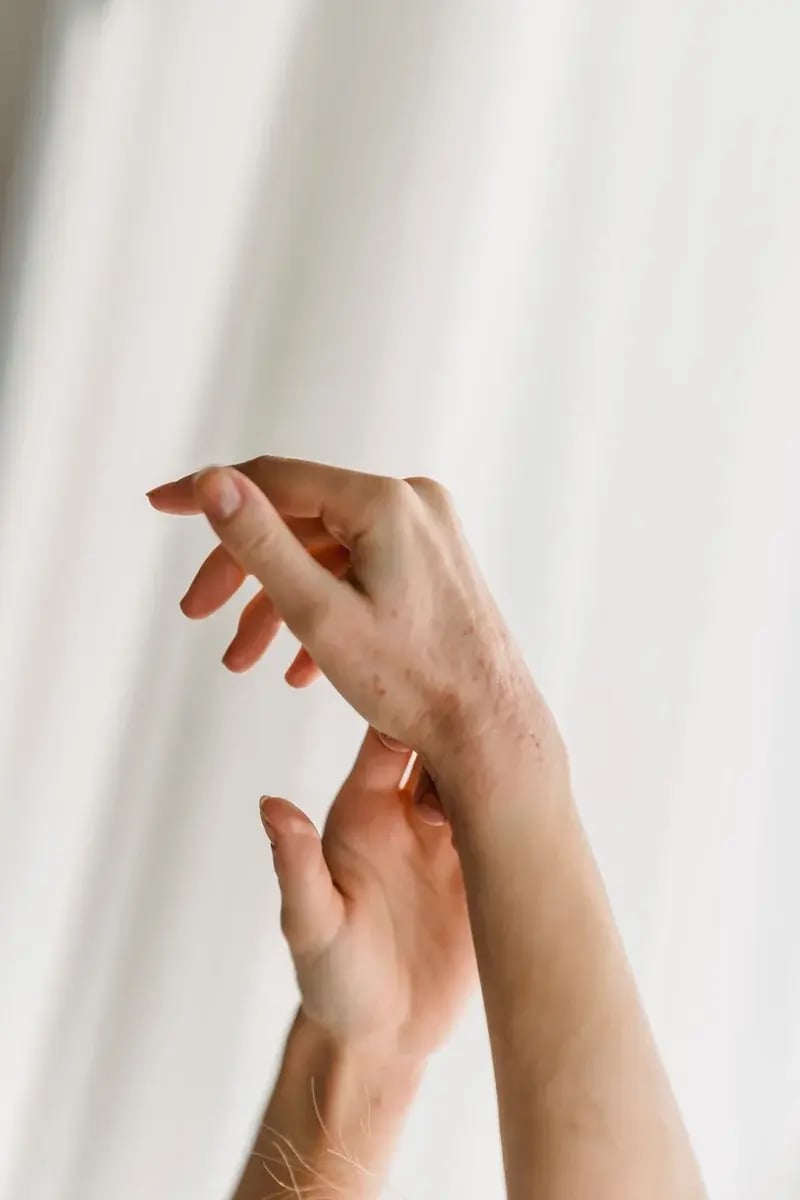
What is athlete's foot (tinea pedis)?
Athlete's foot, medically known as tinea pedis, is a common skin infection caused by a type of fungus called a dermatophyte. It most commonly starts between the toes, but it can spread to the soles and sides of your feet.
Causes of athlete's foot
As noted by the NHS, athlete's foot is a contagious fungal infection. Dermatophyte fungi thrive in warm, damp, and dark environments, making the inside of your shoes the perfect breeding ground. The fungus feeds on keratin, which is a protein found abundantly in your skin, hair, and nails. You can easily catch it by walking barefoot in communal areas like changing rooms, swimming pools, and showers, or by sharing towels and footwear with someone who is infected.
Effects on the skin
When the fungus takes hold on your foot, it disrupts your skin's natural protective barrier. The fungus releases enzymes that break down the outer layers of the skin, leading to inflammation. This causes the characteristic symptoms of intense itching, redness, and peeling. Because the spaces between your toes sit tightly together and easily trap sweat and moisture, this is exactly where the fungus usually attacks first. During virtual GP consultations, I often speak to patients who are surprised by how quickly this irritation can develop from a mild itch to painfully cracked skin.
What are the symptoms and types of athlete's foot?
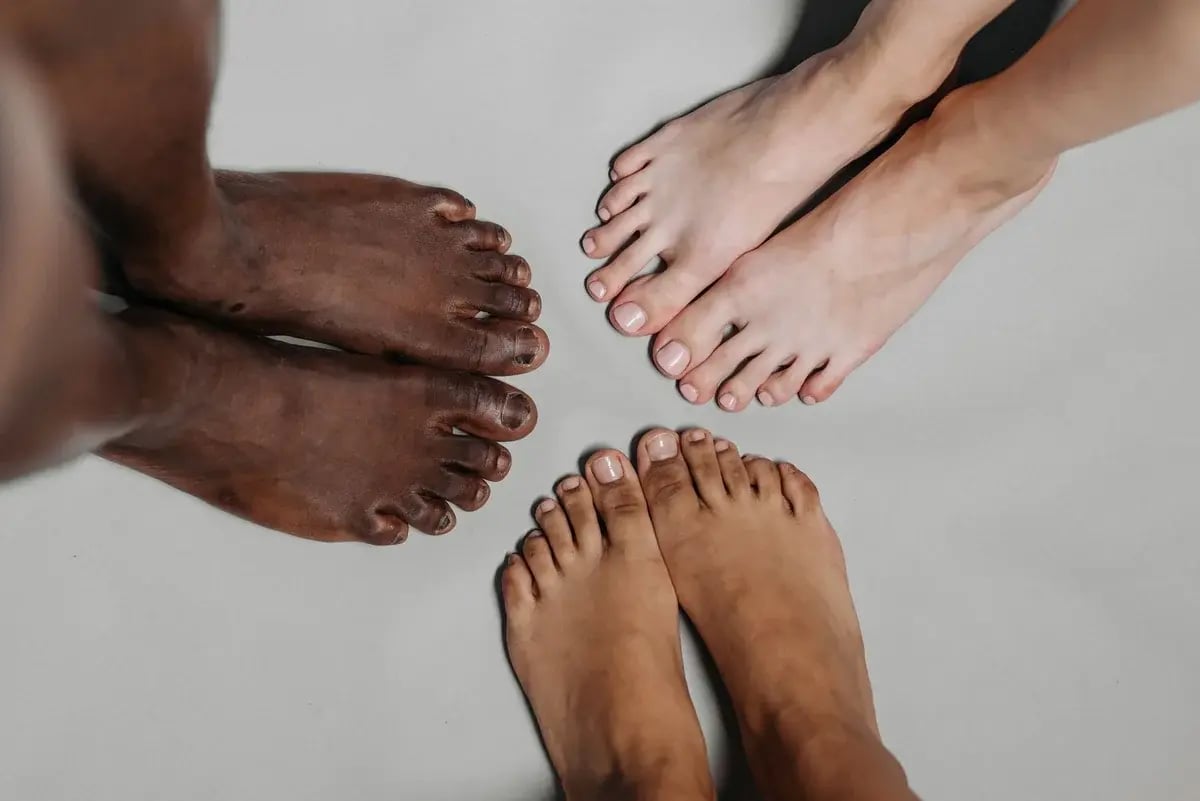
Athlete's foot presents with a range of symptoms, most commonly including intense itching, stinging, and cracked skin, though the exact appearance depends on the type of infection and your skin tone.
Common symptoms
The symptoms of athlete's foot can vary, but most people will experience a combination of the following:
- Intense itching, stinging, or burning, especially when you take your shoes and socks off.
- Cracked, peeling, or flaking skin.
- Redness or discolouration. On brown and black skin, this discolouration can look greyish or purplish rather than red.
- Fluid-filled blisters.
- Dry, scaly, and thickened skin on the soles of the feet.
Types of athlete's foot
Identifying the specific type of athlete's foot you have helps guide the most effective treatment approach.
Toe web infection
This is the most common presentation. It typically starts between the fourth and fifth toes. The skin becomes highly moist, white, and swollen, before peeling away to leave raw, sore fissures (cracks) underneath.
Moccasin-type infection
This type can be mistaken for general dry skin. It presents as chronic, dry, scaly skin that covers the entire sole and extends up the sides of the foot, looking like a moccasin slipper. It can cause the skin on the heel to thicken and crack deeply.
Vesicular (blistering) infection
This type is characterised by a sudden outbreak of itchy, fluid-filled blisters. These blisters most commonly appear on the instep (the arch of the foot) but can develop between the toes or on the heel.
Ulcerative infection
This is a rare and severe form of the condition. It causes painful, open sores (ulcers) to develop, usually between the toes. This type is frequently linked to a secondary bacterial infection and requires prompt medical attention.
Similar skin conditions
Other skin conditions can easily mimic athlete's foot, making it important to look at the specific symptoms. Conditions like contact dermatitis (an allergic reaction to shoe materials), psoriasis, and eczema can all affect the feet.
Condition |
Typical Location |
Main Sensation (Itch/Burn) |
Skin Appearance |
|---|---|---|---|
Athlete's foot |
Between toes, soles, instep
|
Intense itch, burning |
Peeling, cracked, blisters, white and soggy between toes |
Foot eczema |
Tops of feet, toes, ankles
|
Severe itch |
Dry, red or purplish patches, thick, cracked |
Psoriasis |
Soles of feet, heels
|
Soreness, painful cracks |
Well-defined thick plaques, silvery scales |
How to treat athlete's foot
The most effective way to treat an active athlete's foot infection is a combination of targeted over-the-counter antifungal medication and strict daily foot hygiene.
Over-the-counter treatments
Most cases of athlete's foot respond very well to antifungal products available straight from a pharmacy without a prescription. There are several forms available, and choosing the right one depends on your symptoms.
-
Creams: Antifungal creams containing ingredients like BNF (NICE) clotrimazole or terbinafine are usually the best choice for standard infections, especially for soothing cracked and sore skin between the toes.
-
Sprays and powders: These are excellent for preventing recurrence and keeping feet and shoes dry. They are also very helpful for people with mobility issues who have trouble reaching their feet to rub in a cream.
-
Solutions: Liquid treatments, sometimes containing terbinafine or BNF (NICE) miconazole, can be highly useful for moist, weeping skin, as they have a natural drying effect.
When wart treatments fail
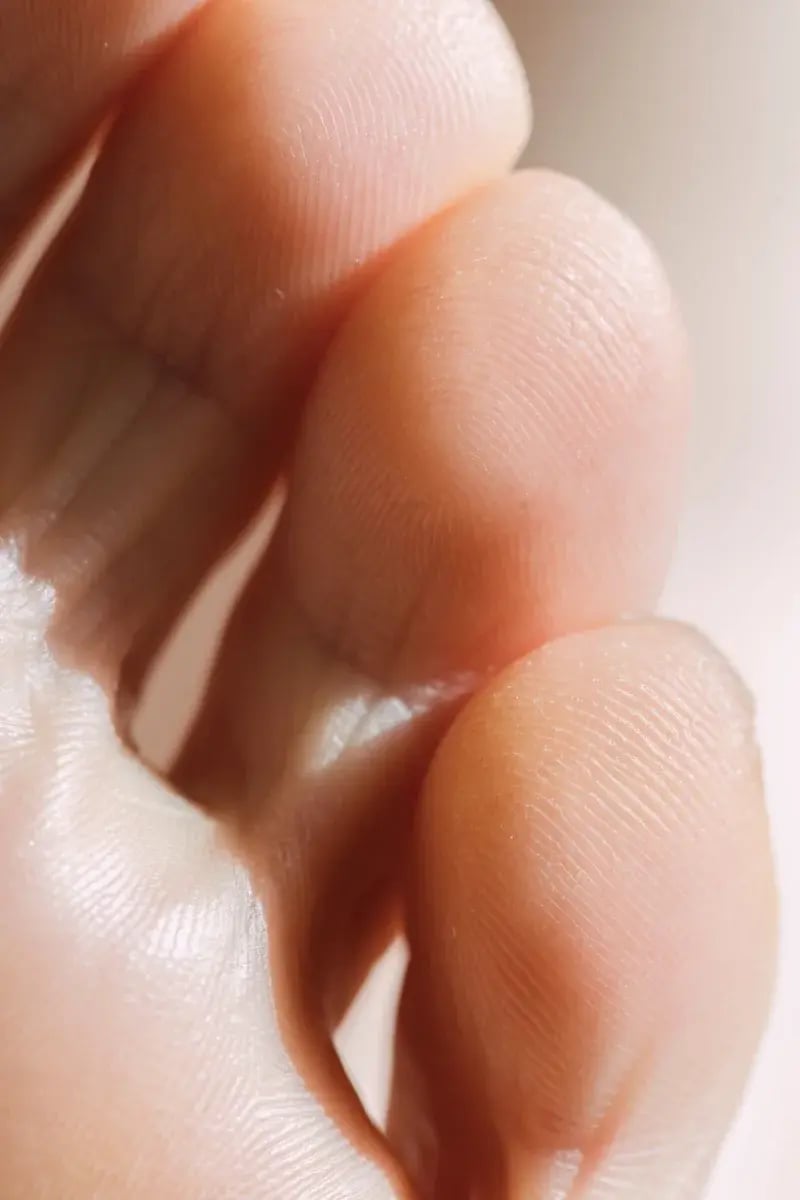
When wart treatments fail, it is entirely common for warts, and particularly verrucas, to resist first-line treatments and require a change of approach.
Why some warts are stubborn
Several factors influence how easily a wart resolves. The depth of the lesion plays a major role; thick verrucas on the heel are much harder for topical treatments to penetrate than thin warts on the hand. The specific strain of HPV and the strength of your own immune response also dictate how quickly your body clears the infection.
Combining treatments
When a single treatment fails, clinicians often recommend combination therapy. A common clinical approach is to use daily salicylic acid at home in the weeks between professional cryotherapy sessions. The acid softens and removes the hard upper layers of skin, allowing the liquid nitrogen to penetrate deeper into the infected tissue during the next appointment.
Considering a specialist referral
If you have diligently tried daily pharmacy treatments for several months and completed a course of standard GP-led cryotherapy without success, it may be time to seek advanced care. A podiatrist or dermatologist can access stronger therapies, such as needling or Swift therapy, to manage highly resistant lesions. If you are unsure of your next steps, speaking to a clinician about a specialist referral can help you explore your options.
How to prevent athlete's foot
Preventing athlete's foot relies on eliminating the warm, damp conditions that allow the fungus to thrive through careful daily hygiene and smart footwear choices.
Daily foot care
Building a simple, consistent foot care routine is your best defence.
- Wash your feet every day with mild soap and water.
- Dry your feet meticulously. The spaces between your toes must be completely bone dry before you put on socks.
- Use a separate towel for your feet to avoid spreading any lingering fungus to your groin or body.
- Wash your foot towel regularly on a hot cycle.
Socks and shoes
Cotton socks absorb sweat and hold it against your skin. Instead, choose socks made from moisture-wicking materials like merino wool or synthetic athletic blends designed to pull moisture away.
Wear shoes made of breathable materials, such as soft leather or mesh, and ensure they are not too tight. Tight shoes squeeze the toes together, trapping moisture. Try to rotate your shoes, wearing a different pair every two to three days so each pair can air out and dry completely before you wear them again.
Shared spaces
Communal areas are the primary source of initial infection. Whenever you use gym changing rooms, public swimming pools, or communal showers, always wear flip-flops or dedicated shower shoes. Never walk barefoot in these high-risk areas. Additionally, never share towels, socks, or shoes with other people, even within your own household.
What makes athlete's foot worse?
Common mistakes that make athlete's foot worse include stopping antifungal treatments too early, failing to disinfect shoes and socks, and applying thick moisturisers over the fungal infection.
Stopping treatment early
This is the single most common reason athlete's foot returns. The fungus can persist invisibly on the skin long after the redness, peeling, and itching have stopped. BNF (NICE) guidance stresses the importance of continuing treatment after visible clearance to prevent relapse. Always complete the full course as directed on the packet, which usually means applying the product for one to two weeks after your feet look and feel healthy
Ignoring shoes and socks
Fungal spores are incredibly resilient and can live inside your footwear and hosiery for a long time. If you treat your feet but put them back into contaminated shoes, you will simply reinfect yourself. Wash all your socks at 60 degrees Celsius to kill the fungal spores. Use an antifungal powder or an antifungal shoe spray inside your trainers and work shoes to disinfect them.
Using heavy moisturisers
It is very tempting to apply thick ointments or petroleum jelly to soothe dry, cracked heels. However, applying occlusive (barrier-forming) moisturisers over a fungal infection traps moisture against the skin. This creates a perfect humid environment for the fungus to multiply, which will irritate the skin further and make the infection worse. Stick strictly to antifungal creams until the infection is resolved.
Managing athlete's foot in specific groups
Certain lifestyles and health conditions, such as playing sports or having diabetes, require a modified approach to treating and preventing athlete's foot to avoid complications.
Athletes
People who train frequently often struggle with recurring infections due to constant sweating. A good playbook for athletes involves using an antifungal powder inside your trainers before and after exercise to absorb moisture. Always remove your sweaty socks immediately after training, wash and dry your feet, and put on clean, dry footwear. Be diligent with applying your topical antifungal treatment in the evenings before bed when your feet will remain dry.
Diabetes and weakened immune systems
If you have diabetes, neuropathy (nerve damage), or poor circulation, athlete's foot poses a much greater risk. The skin cracks caused by the fungus can allow bacteria to enter, leading to severe secondary bacterial infections like cellulitis. The NHS strongly advises that people with diabetes should see a GP rather than attempting to self-treat. If you notice any signs of a fungal infection, seek professional help promptly. You can read more in our guide on diabetic foot care.
Pregnancy
If you develop athlete's foot while pregnant or breastfeeding, it is important to check your medication. While most topical treatments like clotrimazole are generally considered safe, it is always best to speak to a pharmacist or a doctor before using any new medication during pregnancy to ensure it is the right option for you.
Conclusion
Athlete's foot is a highly common fungal infection that presents in distinct ways, from soggy skin between the toes to dry, scaly soles. The key to success is consistent treatment using the right over-the-counter antifungal product, applied strictly for the full duration recommended. Once the skin heals, committing to daily foot hygiene, meticulous drying, and breathable footwear is the best long-term strategy to stop the fungus from returning.
Integrating these simple, powerful foot care habits into your daily routine will help keep your feet healthy, comfortable, and infection-free for the long term. If your symptoms are persistent, severe, or if you have underlying health conditions like diabetes, do not hesitate to speak to one of our online GPs. Our clinicians can assess your skin during a virtual GP consultation and provide you with expert advice and a personalised treatment plan.
Frequently asked questions
Understanding the timeline, causes, and best products for athlete's foot can help you manage your symptoms with confidence.
Athlete's foot takes around two to four weeks to fully clear up with consistent treatment. With daily topical antifungal application, mild cases often improve visibly within one to two weeks. However, it is crucial to continue applying the treatment for an additional one to two weeks after symptoms disappear to prevent relapse. Cochrane data supports this extended treatment timeline.
The difference between athlete's foot and a fungal nail infection is that athlete's foot affects the skin, while a fungal nail infection (onychomycosis) affects the nail itself. Fungal nail infections cause nails to become thick, brittle, and discoloured. They are also significantly harder to treat than skin infections and often require much longer-term medical management.
Your athlete's foot keeps coming back because of three main reasons: stopping the antifungal cream too early, reinfecting your feet from contaminated shoes and socks, or failing to address continually damp, sweaty feet. Fungal spores are resilient, meaning you must complete the full treatment course and routinely disinfect your footwear to prevent recurrence.
You should use a cream to treat an active athlete's foot infection on your skin, as creams absorb well and deliver medication directly to the fungus. Antifungal powders are best used as a daily preventative measure inside your shoes and socks to keep feet dry and make the environment hostile to fungal growth.
Yes, you can get athlete's foot on other parts of your body. The exact same dermatophyte fungus can spread via contaminated hands or towels. If the infection spreads to your groin, it causes jock itch (tinea cruris), and if it spreads to your body, it causes ringworm (tinea corporis). Always wash hands after touching infected feet.
You should see a doctor about athlete's foot if the infection shows no improvement after two weeks of pharmacy treatment, is severe, or if you have a weakened immune system. You also need urgent medical advice if you spot signs of a bacterial infection, such as pus, worsening pain, excessive redness, or a hot sensation.
When to get urgent help
Call 999 if: You feel very unwell, dizzy, confused, or have a very high temperature alongside a spreading red, hot, swollen area on your foot or leg.
Call 111 or go to A&E if: You develop spreading redness, significant swelling, severe pain, or pus coming from the cracks in your foot, as this may indicate a bacterial infection like cellulitis.
Related Topics
-
What Is Eczema? Symptoms, Causes, and Treatments Explained
-
Warts and Verrucas: Treatment, Removal and When to See a GP