What Is Eczema? Symptoms, Causes, and Treatments Explained
What is eczema?
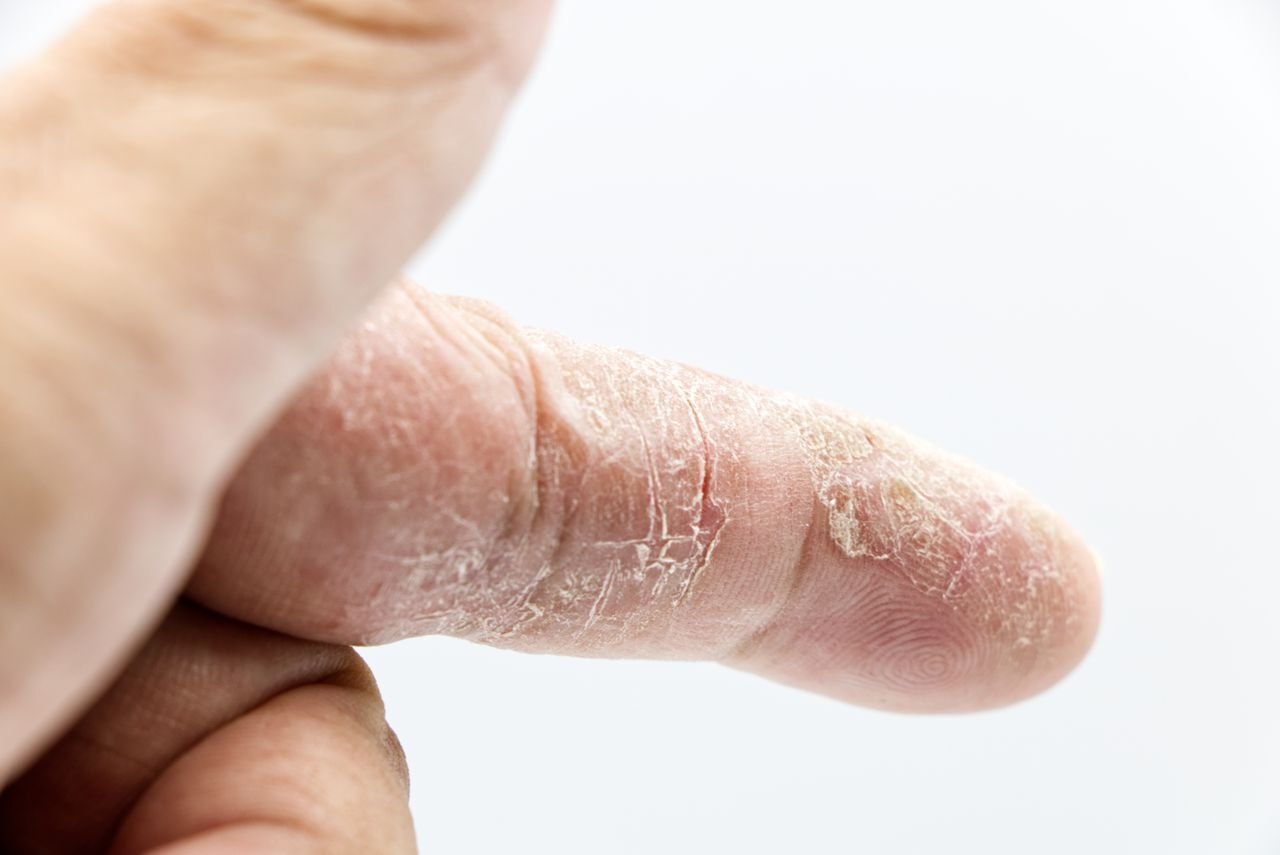
Eczema, also called dermatitis, is a common skin condition that causes patches of skin to become itchy, dry, red, and cracked. While there are different types of eczema, the term most often refers to atopic eczema.
Atopic eczema is a chronic condition triggered or worsened by allergens or irritants. It's common in young children — affecting 1 in 5 in the UK (Allergy UK, 2026) — but can also occur in adults. Many people see an improvement as they age, but some experience flare-ups throughout their lives.
Atopic eczema vs. other types
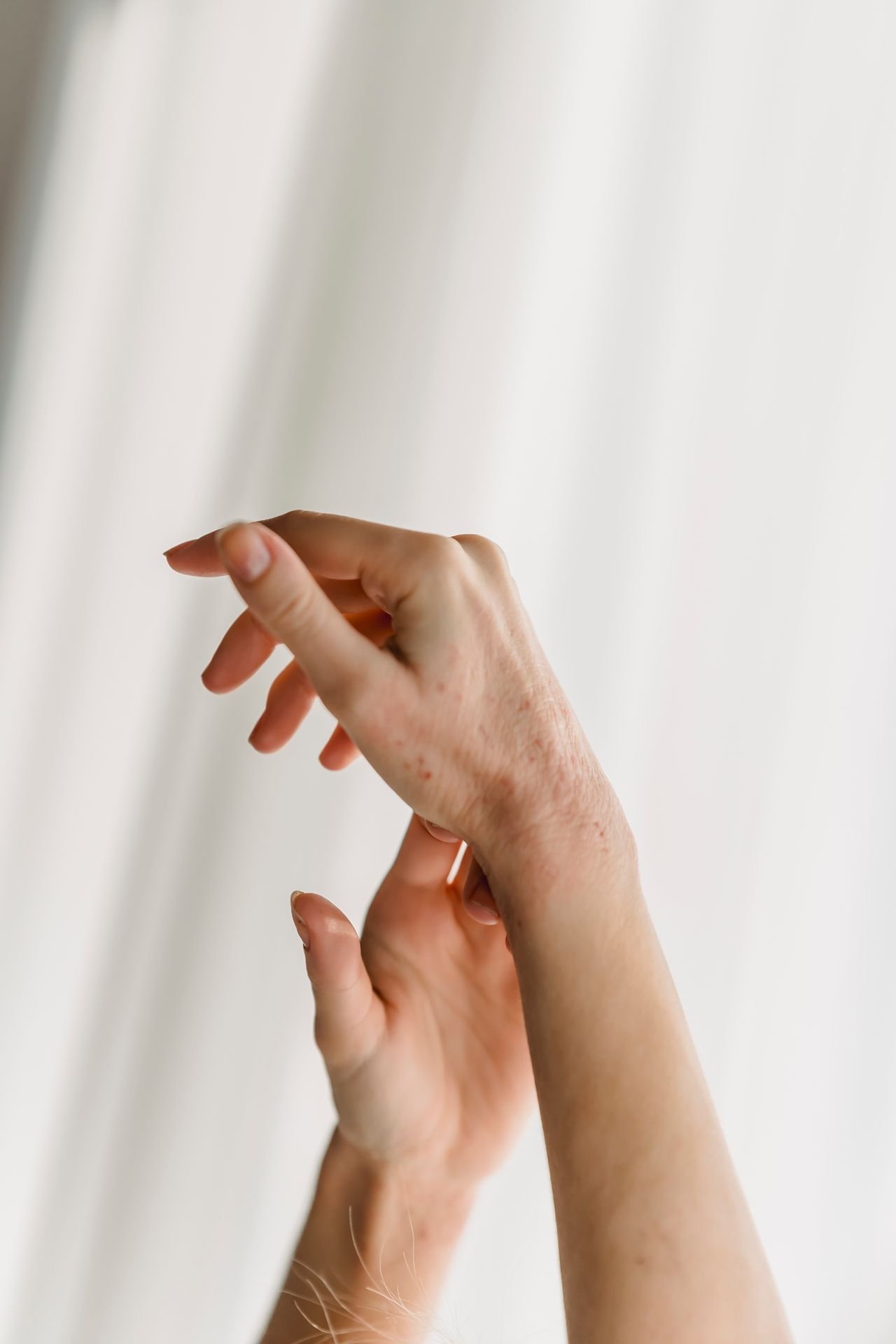
Most people who say "eczema" mean atopic eczema, which tends to run in families and is closely linked to other allergic conditions like asthma and hay fever. There are other, less common types too — for example, contact dermatitis, which develops when the skin reacts directly to an irritant or allergen it's touched, such as a particular soap, metal, or plant, rather than being linked to a broader allergic tendency. If you're not sure which type applies to you, a clinician can help identify likely triggers and the right treatment approach.
What are the symptoms of eczema?
Eczema typically affects the hands, fingers, inside the elbows, back of the knees, face, and scalp, although it can appear anywhere on the body.
Common symptoms:
- Itchy, dry, and cracked skin
- Redness and soreness in affected areas
Scratching can worsen irritation, cause bleeding, and increase the risk of infection.
Signs of infected eczema:
- Fluid leaking from the skin
- Yellow crust or spots
- Swelling, soreness, and fever
If you notice these signs, you may need antibiotics to treat the infection. Book an appointment with Doctor Care Anywhere if you're concerned.
What causes eczema?
The exact cause of atopic eczema isn't fully understood, but it's linked to the immune system and sensitivity to allergens. It's more likely to occur if you have a family history of eczema.
People with eczema often have dry, moisture-deficient skin that's sensitive to environmental or chemical triggers.
Common triggers:
- Soaps, detergents, and fragranced products
- Cold, dry weather or damp and mouldy conditions
- Dust mites, pollen, pet fur
- Certain fabrics (e.g., wool)
- Stress, illness, or hormonal changes (e.g., pregnancy, periods)
Over time, you may identify your triggers and take steps to manage them, helping to reduce flare-ups.
How is eczema treated?
Treatment varies depending on the severity of your symptoms, but a combination of emollients and medicated creams is commonly used.
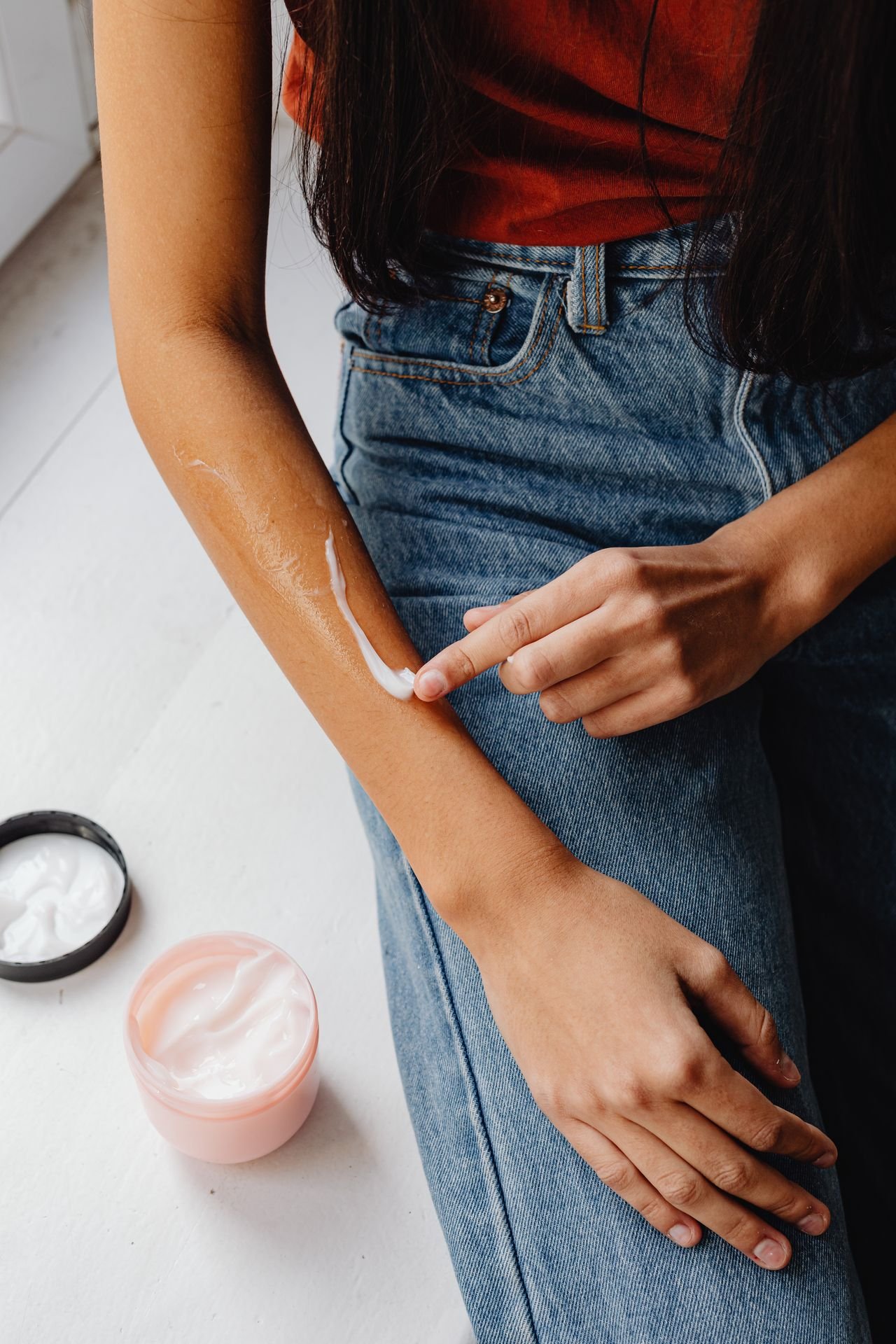
Daily care with emollients
-
Use moisturisers and soap-free cleansers at least twice a day to keep skin hydrated.
-
Apply generously, smoothing in the direction of hair growth to avoid irritation.
Topical corticosteroids
-
Applied sparingly to affected areas during flare-ups.
-
Use exactly as directed to avoid thinning of the skin.
Additional treatments
-
Antihistamines to reduce itching.
-
Medicated bandages to encourage healing.
-
Corticosteroid tablets for severe cases.
If your symptoms persist despite treatment, a referral to a dermatologist may be required.
How can I manage eczema at home?
Taking steps to manage eczema triggers can help prevent flare-ups and improve your skin's health.
Helpful tips:
- Avoid irritants: use mild, fragrance-free soaps and detergents
- Stay moisturised: apply emollients regularly, even when symptoms aren't present
- Resist scratching: keep nails short and consider wearing cotton gloves at night
- Manage stress: practise relaxation techniques like mindfulness or yoga
Do I need to see a clinician for eczema?
Most cases of eczema can be managed with over-the-counter treatments and good skincare. However, you should consult a clinician if:
- Your symptoms persist or worsen despite treatment
- You experience signs of infection (e.g., leaking fluid, yellow crust)
- Your eczema is severely impacting your quality of life
Frequently asked questions
No. Eczema isn't contagious — it can't be passed from person to person through contact, even during a flare-up.
There's currently no cure for atopic eczema, but symptoms can usually be well controlled with the right combination of moisturising, medicated treatments, and trigger management. Many children also see their eczema improve or resolve as they get older.
Both cause red, itchy patches of skin, but they're different conditions. Eczema tends to appear in skin folds like the elbows and knees, while psoriasis is an autoimmune condition that often causes thicker, more defined scaly patches, commonly on the scalp, elbows, and knees.
Cold, dry air can strip moisture from the skin, making eczema symptoms worse. Keeping skin well moisturised and avoiding very hot showers can help during colder months.
Related Topics
-
What Is a Fungal Skin Infection? Symptoms, Causes, and Treatments
-
Acne: Causes, Types & Treatment
-
Allergies and Intolerances: Symptoms, Causes and Treatment