Chlamydia: What You Need to Know

Chlamydia is one of the most common sexually transmitted infections (STIs) in the UK. It's caused by bacteria and is often easily treated with a short course of antibiotics. The tricky part is that chlamydia doesn't always show symptoms, which means it can go unnoticed and potentially cause complications if left untreated. If you've had unprotected sex, it's a good idea to get tested — even if you're not experiencing any symptoms.

How do you get chlamydia?

Chlamydia is spread through contact with semen or vaginal fluid. The infection can be passed on through unprotected vaginal, anal, or oral sex, and there's also a risk when sharing sex toys.

It's important to note that sex doesn't need to be penetrative for chlamydia to spread. If your genitals come into contact with your partner's, the bacteria can be transferred. In rare cases, you could also get a chlamydia infection in the eye if it comes into contact with infected fluids.

Symptoms of chlamydia

Around 70% of women and 50% of men with chlamydia don't experience any symptoms, which is why testing is so important, particularly after unprotected sex or a new partner (NHS, 2026). For those who do have symptoms, they may notice:

  • Painful urination
  • Unusual discharge from the penis or vagina

Women may also experience:

  • Abdominal or pelvic pain
  • Pain during sex
  • Irregular bleeding (e.g. bleeding between periods or after sex)

Men might feel:

  • Pain or swelling in the testicles
  • Itching or a burning sensation in the urethra

Woman sitting on a sofa holding her stomach in discomfort

What happens if chlamydia is left untreated?

Because chlamydia often has no symptoms, it can go untreated for a while without you realising. Left untreated, it can potentially lead to:

  • In women: pelvic inflammatory disease (PID), which can cause chronic pelvic pain and, in some cases, difficulty getting pregnant
  • In men: epididymitis, a painful swelling of the tubes that carry sperm
  • In pregnancy: a risk of passing the infection to the baby during birth

These complications are uncommon when chlamydia is diagnosed and treated promptly, which is exactly why regular testing matters even without symptoms (NHS, 2026).

Chlamydia testing

If you're under 25 and sexually active, it's recommended to get tested for chlamydia every year or whenever you change sexual partners.

Testing for chlamydia is quick, easy, and pain-free. It usually involves providing a urine sample or a swab from the affected area. You can access free testing through NHS GP surgeries and sexual health clinics. Alternatively, you can buy a postal test kit, take a sample at home, and send it to a lab for results.
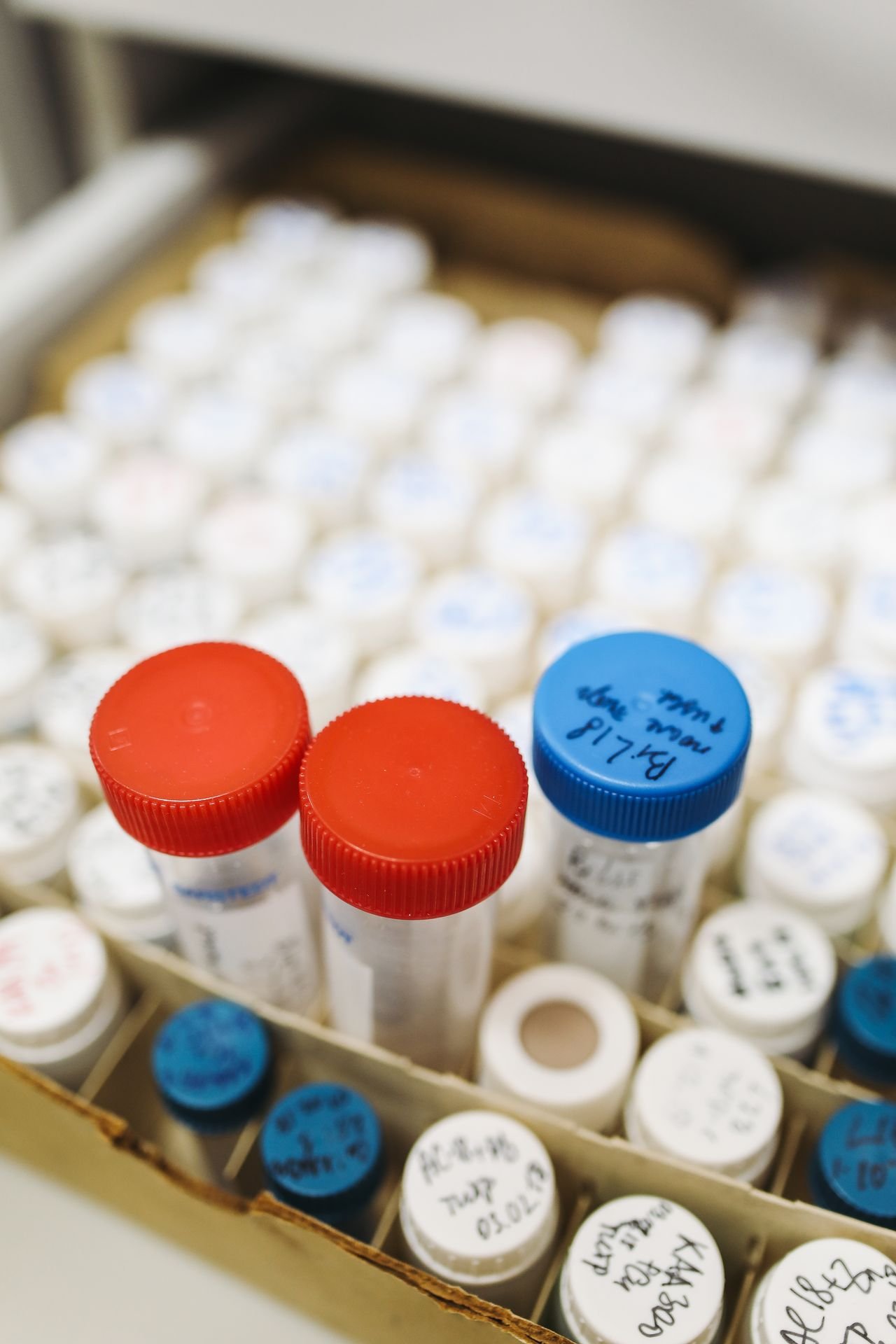
Close-up of red and blue prescription vial caps among rows of medication bottles

Chlamydia treatment

Chlamydia can be easily treated with antibiotics, with a treatment success rate of around 95% when taken as prescribed (NHS, 2026). If you're diagnosed, be sure to follow your healthcare provider's instructions to ensure the treatment works effectively, and avoid sex until you and any partners have completed treatment.

Taking action early is the key to avoiding complications and protecting your health. Remember, getting tested and treated is simple, confidential, and essential for your wellbeing.

Reducing your risk

  • Use condoms consistently during vaginal, anal, and oral sex to reduce the risk of transmission
  • Test regularly, especially if you're under 25, sexually active, or have a new partner
  • Avoid sharing sex toys, or wash and cover them between uses
  • Talk to partners. If you test positive, current partners (and anyone you've had sex with in the last few months) should also be tested and treated to avoid reinfection

Frequently asked questions

No, chlamydia doesn't clear up without treatment. It needs a course of antibiotics, though this is usually quick and highly effective when taken correctly.

Yes — most people with chlamydia have no symptoms at all, which is why regular testing is recommended rather than waiting for symptoms to appear.

If left untreated, chlamydia can lead to pelvic inflammatory disease in women, which can affect fertility. This is uncommon when the infection is caught and treated promptly.

It's usually recommended to wait around two weeks after potential exposure before testing, to allow the infection to be reliably detected. A clinician can advise on timing for your situation.

Yes — it's important that current and recent sexual partners are also tested and treated, even if they have no symptoms, to prevent reinfection and further spread.

References

(NHS, 2026) https://www.nhs.uk/conditions/chlamydia/

See a UK GP today

Skip the wait — book an online appointment and get expert advice from a UK-registered clinician in as little as 2 hours. 

Related Topics