How to Stay Safe in Hot Weather
Expert advice on heat exhaustion, dehydration, and when to see a GP - available same-day from home.

1.2 million+ active patients

Why Hot Weather Is a Health Risk
Hot weather can affect your health faster than you might expect. In the UK, we're not always prepared for extreme heat, and that makes us more vulnerable.
Whether you're at home, at work, or outdoors, rising temperatures can lead to dehydration, heat exhaustion, and in serious cases, heatstroke. Knowing what to look out for and when to act could make all the difference.
Signs of Heat Exhaustion to Watch For
Heat exhaustion can develop quickly. Common symptoms include:
- Persistent headaches or dizziness
- Excessive sweating
- Nausea or loss of appetite
- Extreme tiredness or weakness
- Pale, clammy skin
- Confusion or difficulty concentrating
- Fainting
If symptoms are severe or someone loses consciousness, call 999 immediately.
Heatstroke is a medical emergency. Get immediate medical help if someone has the symptoms of heatstroke/call 999.

How to Stay Cool and Safe
A few simple steps can help protect you and your family during hot weather:

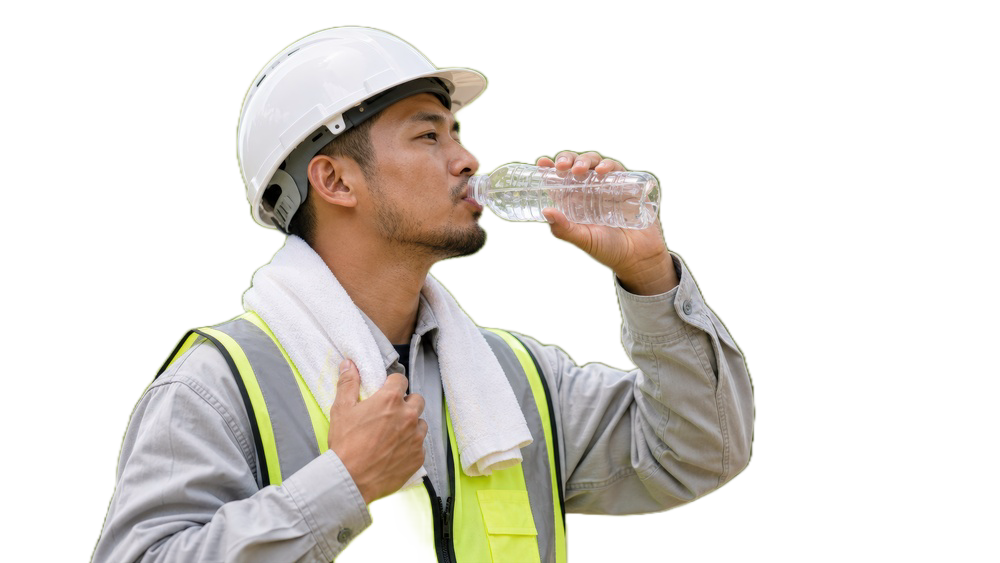
Stay hydrated
Drink water regularly, even if you don't feel thirsty. Avoid drinking too much alcohol.

Keep your home cool
Close blinds and curtains between 11am–3pm and open windows in the evening.

Protect your skin
Apply SPF 30 or higher sunscreen and avoid direct sunlight at peak times.

Dress appropriately
Loose, light-coloured clothing helps regulate your body temperature. Wear a sun hat.
Cool down quickly
A cool shower, damp cloth on your neck and wrists, or a fan can all help.
Check on others
Elderly relatives, young children, and those with underlying health conditions are most at risk.
When Should You See a GP?
Not every heat-related symptom requires a 999 call - but some do need prompt medical attention. You should speak to a GP or ACP if:
- Symptoms of heat exhaustion don't improve after 30 minutes of rest and cooling down.
- You're unsure whether your symptoms are heat-related.
- You have an underlying health condition that may be affected by the heat.
- You're worried about a child, elderly relative, or vulnerable person.
Don't wait it out. Early advice can prevent symptoms from getting worse.